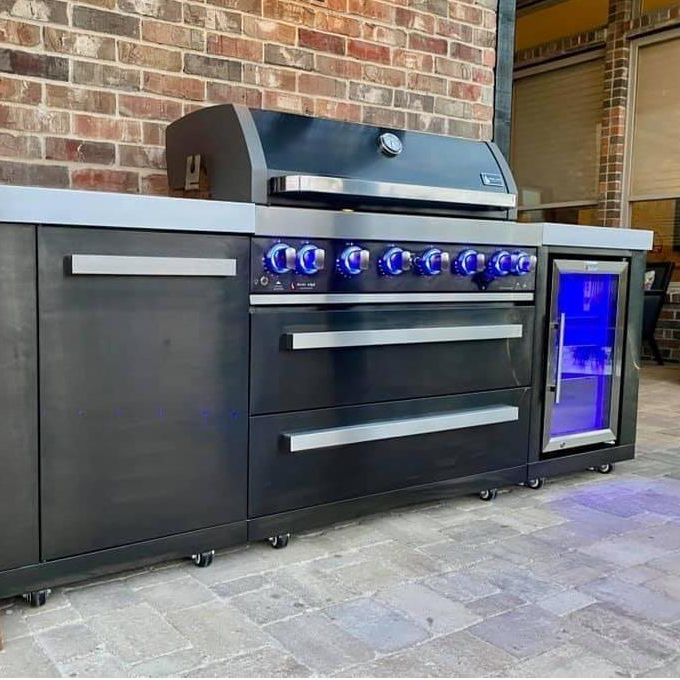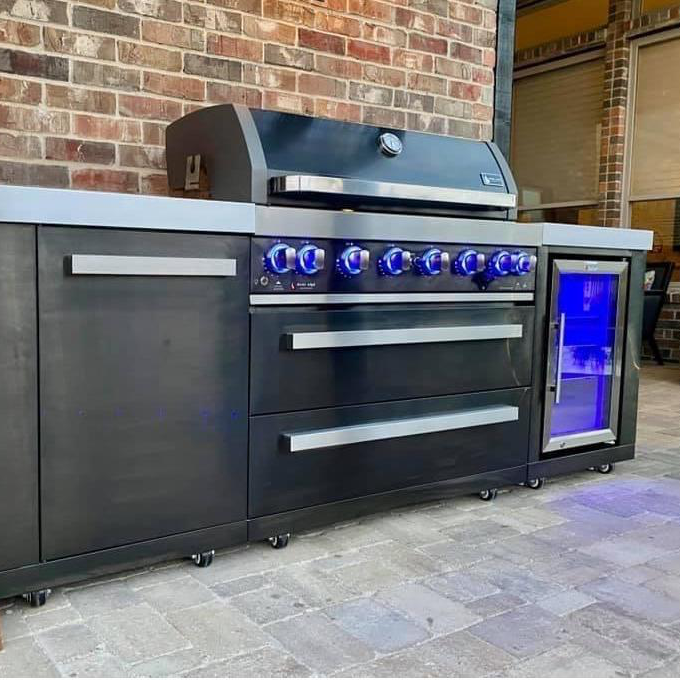

Cal Flame Universal Adjustable Built In BBQ Grill Cover BBQC2345BB
Check model compatibility, dimensions, and installation format before ordering; do not assume fit across all grills.
Check Cover Compatibility
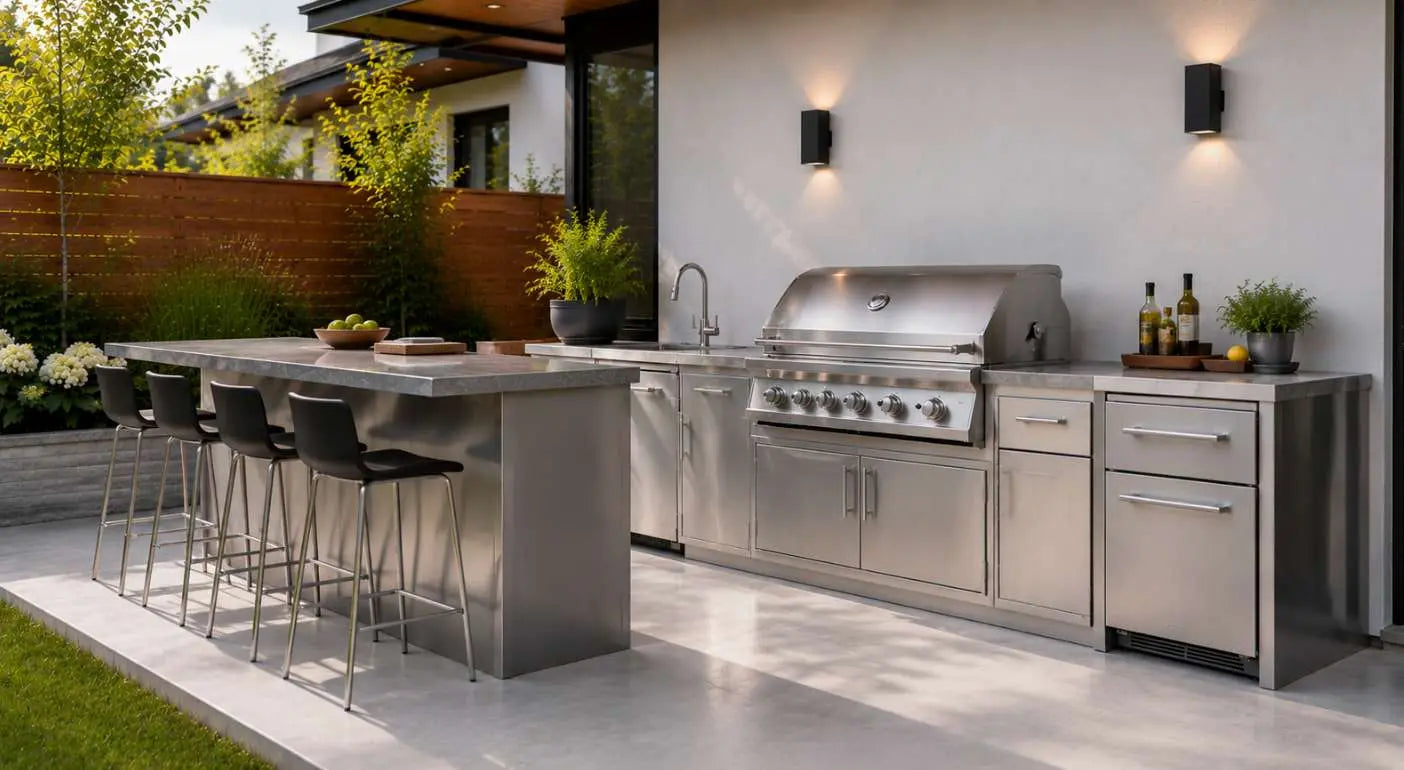
Knowing how to protect stainless steel outdoors is what separates a kitchen that looks brand new after five years from one that shows rust spots and dull patches after a single summer.
The good news: the right habits take about ten minutes a month and cost almost nothing.
This guide covers why stainless steel corrodes outdoors, what damages it most, a step-by-step cleaning and protection routine, and the specific products and habits that make the biggest difference in coastal, humid, and standard backyard climates.

Most people assume stainless steel cannot rust. It can. The name means stain-less, not stain-proof.
What makes stainless steel corrosion resistant is a thin, invisible layer of chromium oxide that forms on the surface when it is exposed to oxygen.
This layer is constantly self-repairing under normal conditions, but several things break it down faster than it can recover.

Even 316 marine-grade stainless steel, which has an extra 2% molybdenum for better salt resistance, does not stop corrosion. It only slows it down. Every grade of outdoor stainless steel needs regular maintenance. The molybdenum gives you more time between cleanings, but it does not remove the need to clean at all.
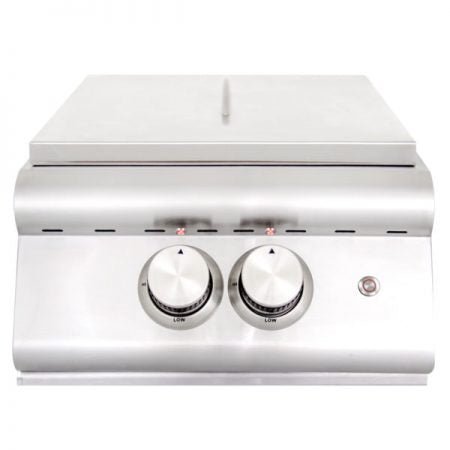
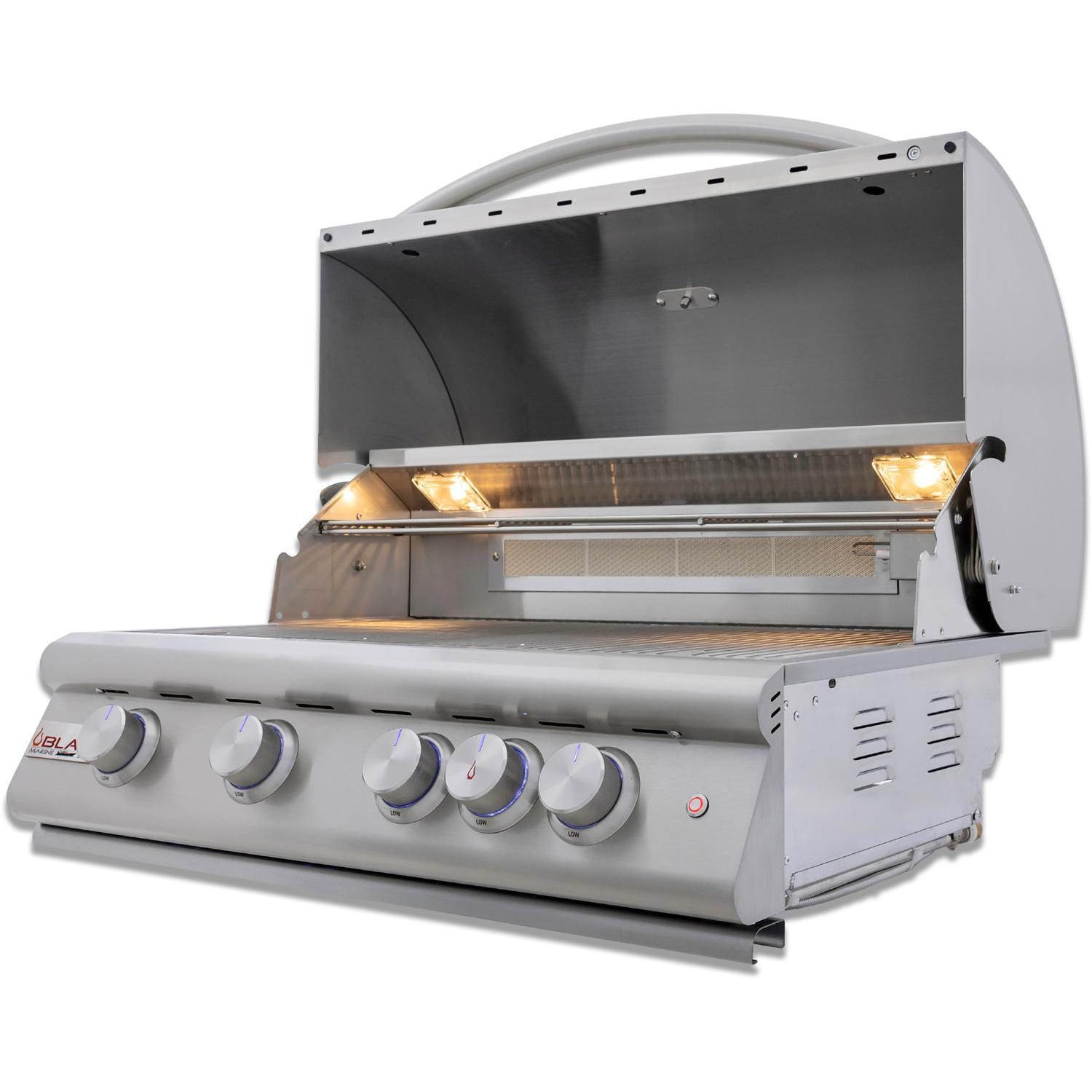
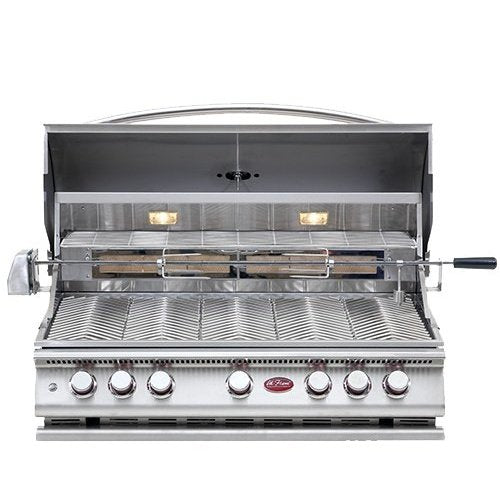
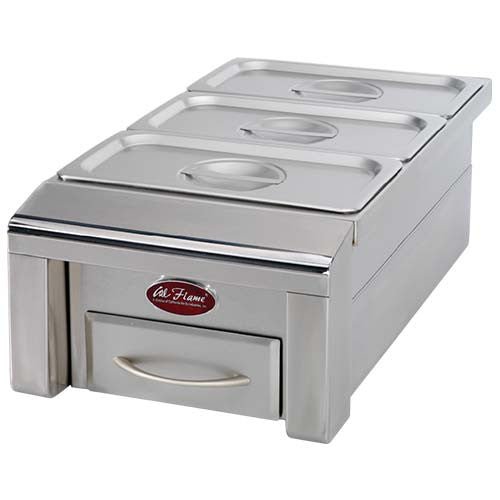
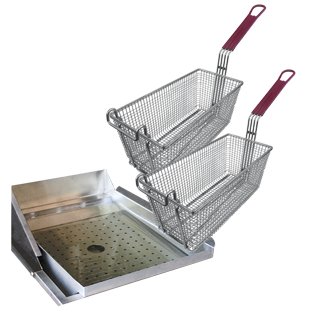
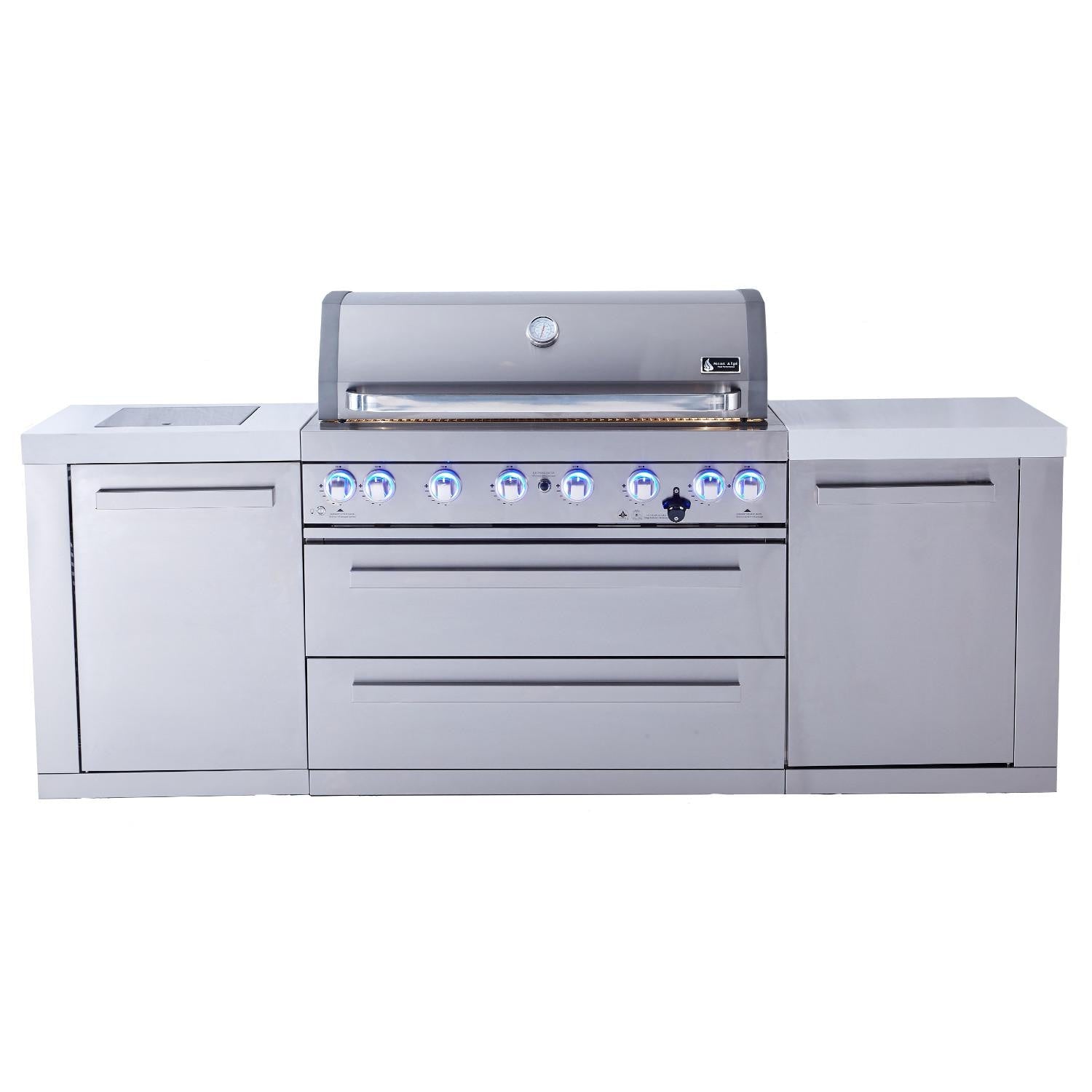
Knowing which grade of stainless steel your appliances and cabinetry are made from helps you understand how much protection they need.
Almost all outdoor kitchen products use one of two grades: 304 or 316.
| Property | 304 stainless steel | 316 stainless steel (marine grade) |
|---|---|---|
| Chromium content | 18% | 16 to 18% |
| Nickel content | 8 to 10% | 10 to 14% |
| Molybdenum | None | 2 to 3% (key difference) |
| Salt and chloride resistance | Good in most environments | Superior, especially in coastal areas |
| Best environment Practical guide | Inland, suburban, and non-coastal climates | Within 3 miles of the ocean or near pools |
| Typical cost premium | Base price | About 20% to 22% more than 304 |
| Maintenance required | Regular cleaning and monthly oiling | Regular cleaning and monthly oiling (still required) |
| Used in most appliances | Yes, most grills and appliances use 304 | Less common in appliances, more in cabinetry |
The short version: if you live more than 3 miles from the ocean and do not have a pool nearby, 304 stainless steel with a consistent maintenance routine will hold up very well.
If you are in a coastal area, 316 is worth the extra cost for cabinetry. Either way, both grades need the same cleaning and protection habits to stay in good shape.
Planning a new kitchen or upgrading your setup? Call BetterPatio to discuss appliance options, finishes, and a custom layout for your space and budget. See your choices in a free 3D outdoor kitchen design before you order.
Cleaning is the starting point for all stainless steel protection. The goal is to remove things that attack the protective layer without causing the kind of physical damage that makes corrosion worse.
Hold the surface up to good light and look for faint parallel lines running in one direction. These are the grain lines from the polishing process.
Always clean parallel to these lines, never across them. Cleaning against the grain creates tiny scratches that trap contaminants and lead directly to corrosion.
This single habit prevents most of the preventable damage homeowners cause during routine cleaning.

Use warm water with a small amount of dish soap, or a dedicated stainless steel cleaner. Look for products labeled "alkaline" or "non-chloride."
Avoid anything containing bleach, ammonia, quaternary salts, or hydrochloric acid. If you are not sure, a stainless steel cleaner from a hardware store is the safest option.
Never use general bathroom or tile cleaners on your outdoor kitchen surfaces.
Microfiber cloths are the best tool for routine cleaning. Soft sponges or plastic scouring pads work for stuck-on residue.
Never use steel wool, metal scourers, wire brushes, or rough abrasive pads. The scratches they leave are where outdoor stainless steel corrosion almost always starts.
If something is really stuck, soak it with warm soapy water for a few minutes to loosen it before scrubbing gently.
After cleaning, rinse all surfaces with fresh water. This step is especially important if you live near a pool or the coast, where chlorine or salt can settle on surfaces between cleanings.
Any cleaner left on the surface, even mild soap, can trap moisture and debris that speeds up corrosion over time.
Standing water is a corrosion risk, especially water with high mineral content or chlorides.
After rinsing, wipe down all surfaces with a dry cloth. Pay extra attention to seams, corners, and hardware like hinges and handles, because water collects there and stays longest.
These are the spots where rust shows up first on otherwise well-maintained kitchens.
Cleaning removes the contaminants. Oiling adds a physical barrier that slows new contamination and helps the protective layer stay intact.
This step makes a bigger difference than most people expect, especially in humid and coastal areas.
Apply a thin coat of food-grade mineral oil to clean, dry stainless steel with a soft cloth. Buff it along the grain direction and wipe off any excess.
The oil creates a thin barrier that repels water and slows the buildup of contaminants. It is food-safe, inexpensive, and widely available.
Reapply every 30 days, or more often in coastal or humid climates.
Products like Bar Keepers Friend, Sheila Shine, and other dedicated stainless steel polishes clean, protect, and restore shine in one step.
These work well for monthly maintenance sessions and help fill in minor surface scratches.
Apply with a soft cloth, always in the grain direction, and buff off the excess.
Clear coating products bond to the stainless surface and create a durable, nearly invisible shield against salt, moisture, and UV exposure.
These work best on new or freshly restored surfaces. They last six months to a year before needing reapplication and significantly cut down on how often you need to clean in between.
This is a good option for coastal homeowners who want to reduce maintenance frequency.
Hinges, handles, and hardware are often the first places rust appears on outdoor kitchens because they see constant use and are easy to miss during cleaning.
Spray a light coat of WD-40 on hinges and metal handles every month, wipe off the excess, and follow with a rinse.
This keeps them moving smoothly and prevents rust at connection points where two pieces of metal meet and trap moisture.
Surface rust (called tea staining) that shows up as a light brown discoloration is usually easy to remove. Apply a non-abrasive stainless steel rust remover, or a paste of baking soda and water. Work it in gently with a soft cloth along the grain, then rinse thoroughly and dry. Address rust spots as soon as you see them. Small spots treated early take about 5 minutes to fix. Spots left to spread for weeks require much more effort and can permanently damage the finish.
| Task | Frequency | Products needed | Time required |
|---|---|---|---|
| Wipe down after cooking (grease, food residue) | After every use | Warm soapy water, microfiber cloth | 5 minutes |
| Full surface clean along the grain | Weekly | Non-chloride cleaner, soft cloth | 10 to 15 minutes |
| Apply mineral oil or stainless protectant Most important | Monthly | Food-grade mineral oil or Sheila Shine | 10 minutes |
| WD-40 on hinges and handles | Monthly | WD-40, dry cloth | 5 minutes |
| Inspect for rust spots, scratches, or damage | Monthly | Visual only, good lighting | 5 minutes |
| Deep clean and treat any rust spots | Every 3 months | Stainless cleaner, rust remover if needed | 20 to 30 minutes |
| Fresh water rinse (coastal and poolside kitchens) | Weekly | Garden hose, dry cloth | 5 minutes |
| Cover when not in use | Every time | Weather-resistant grill or kitchen cover | 2 minutes |

Most outdoor stainless steel damage comes from a small number of repeated mistakes. Avoiding these is just as important as the positive maintenance steps above.
Check model compatibility, dimensions, and installation format before ordering; do not assume fit across all grills.
Check Cover Compatibility
Check model compatibility, dimensions, and installation format before ordering; do not assume fit across all grills.
Check Cover Compatibility
Check model compatibility, dimensions, and installation format before ordering; do not assume fit across all grills.
Check Cover CompatibilityProtect your investment with the right products and build your outdoor kitchen from a source that backs every purchase with expert support.


The most effective way to protect stainless steel outdoors is a combination of regular cleaning and monthly oiling. Clean surfaces weekly with a non-chloride cleaner and a soft cloth, always rubbing in the direction of the grain. Then apply a thin coat of food-grade mineral oil or a dedicated stainless steel protectant every 30 days to keep moisture and contaminants out. Use a weather-resistant cover when the kitchen is not in use. In coastal or poolside environments, rinse all surfaces with fresh water at least once a week to remove chloride deposits before they can damage the protective layer.
Yes, WD-40 works as a short-term protective coating and is especially useful on hinges, handles, and hardware where rust tends to start first. Spray a light coat, buff it in, then wipe off the excess and follow with a fresh water rinse to remove residue. WD-40 displaces moisture and creates a temporary protective film. For cooking and food-contact surfaces, use food-grade mineral oil instead, since WD-40 is not food-safe. Reapply to hardware monthly for consistent protection.
Avoid steel wool, abrasive scouring pads, and wire brushes. These scratch the protective layer and create starting points for rust. Also avoid bleach-based cleaners, chlorinated disinfectants, ammonia-based products, and any cleaner containing quaternary salts or hydrochloric acid. These chemically break down the chromium oxide layer that gives stainless steel its corrosion resistance. If you accidentally use any of these, rinse the surface immediately and thoroughly with fresh water to reduce the damage.
For most inland and suburban climates, applying food-grade mineral oil or a stainless steel protectant once a month is the standard recommendation. In humid climates, coastal areas, or near pools where chloride exposure is higher, increase this to every two weeks. A thin, well-buffed coat takes about ten minutes across an entire outdoor kitchen and significantly extends the time before any corrosion takes hold. Monthly oiling is the single maintenance step that makes the biggest difference in long-term appearance and surface condition.
Yes, and it is one of the most effective protective steps you can take. A weather-resistant cover keeps rain, morning dew, UV rays, bird droppings, tree sap, and airborne salt from landing on the surface between uses. All of these cause corrosion, and a cover simply removes them from the equation. Make sure the cover is breathable so it does not trap moisture underneath, which would cause the opposite problem. For full outdoor kitchen setups, use a fitted cover that covers the entire island, not just the grill section.
Protecting stainless steel outdoors comes down to three things: clean it correctly (soft cloth, along the grain, no bleach), oil it regularly (mineral oil or protectant every month), and cover it when you are not using it.
These habits take less than 15 minutes a month and will keep your outdoor kitchen looking and performing like new for years.
Stainless steel is durable and forgiving, but it needs a little help to stay at its best outside. The good news is that the help it needs is simple, inexpensive, and something any homeowner can do without special tools or skills.

As the outdoor living trend continues to thrive, you may be wonder...

How to transform your outdoor space in 5 steps to...