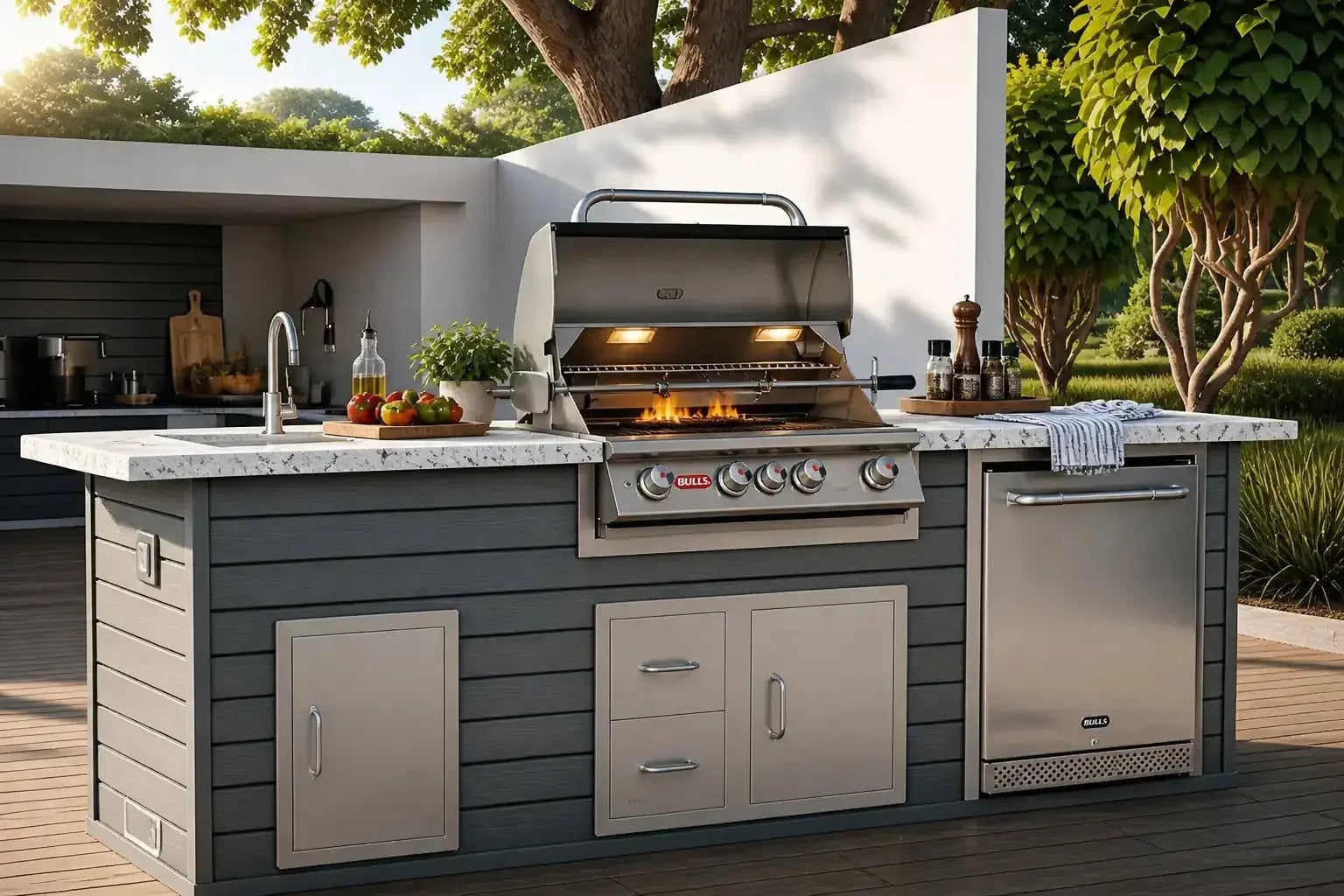
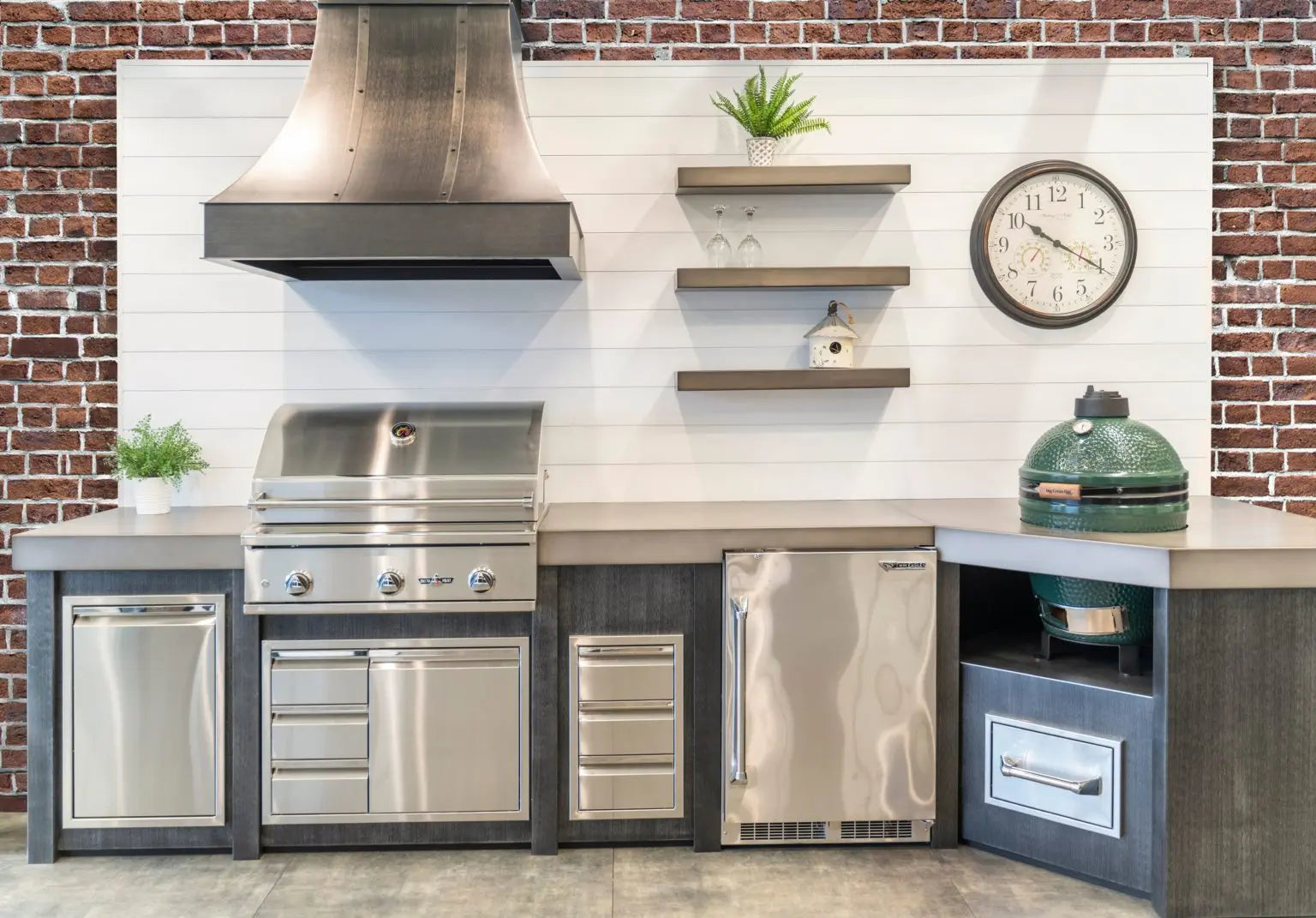
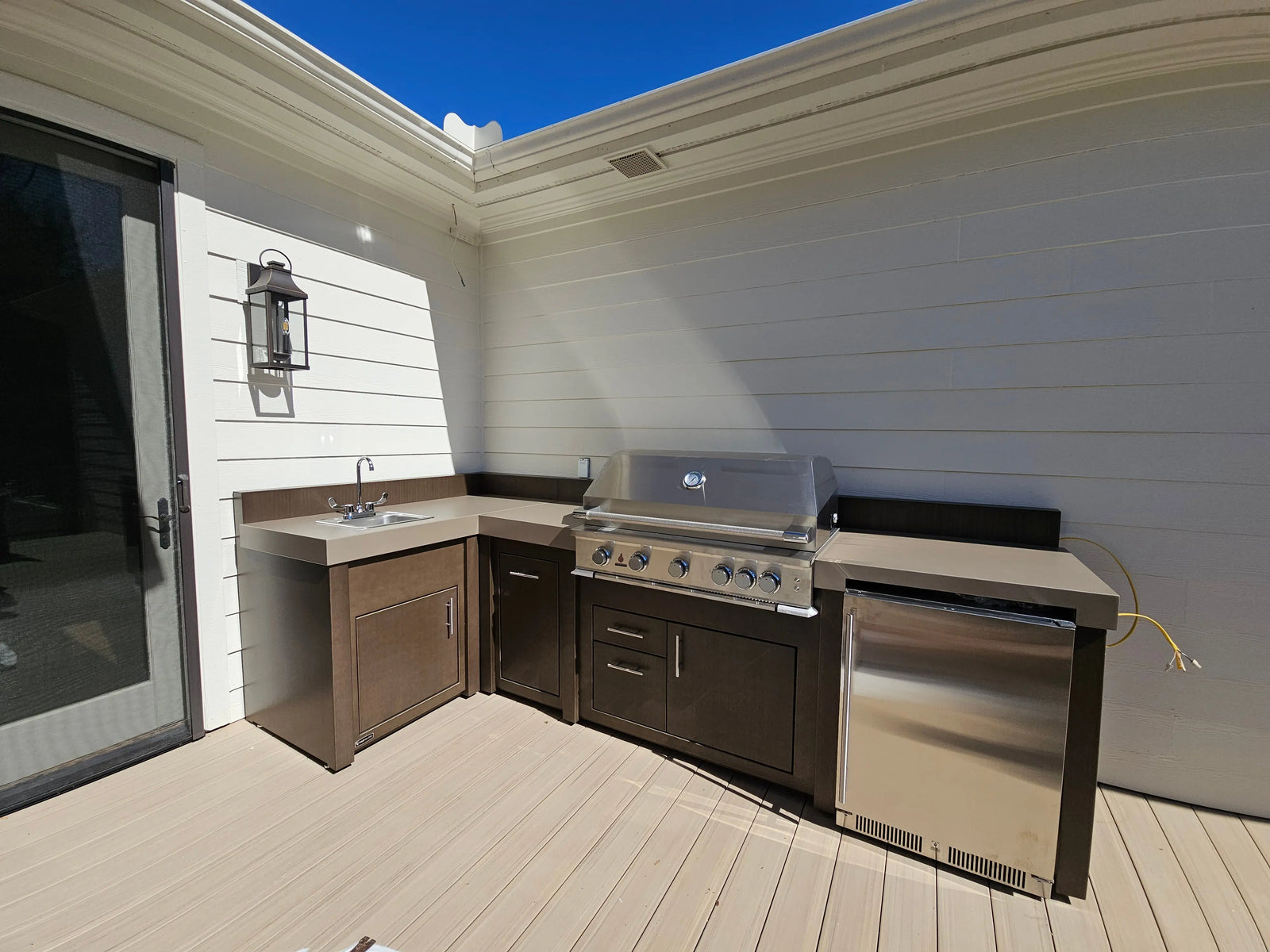
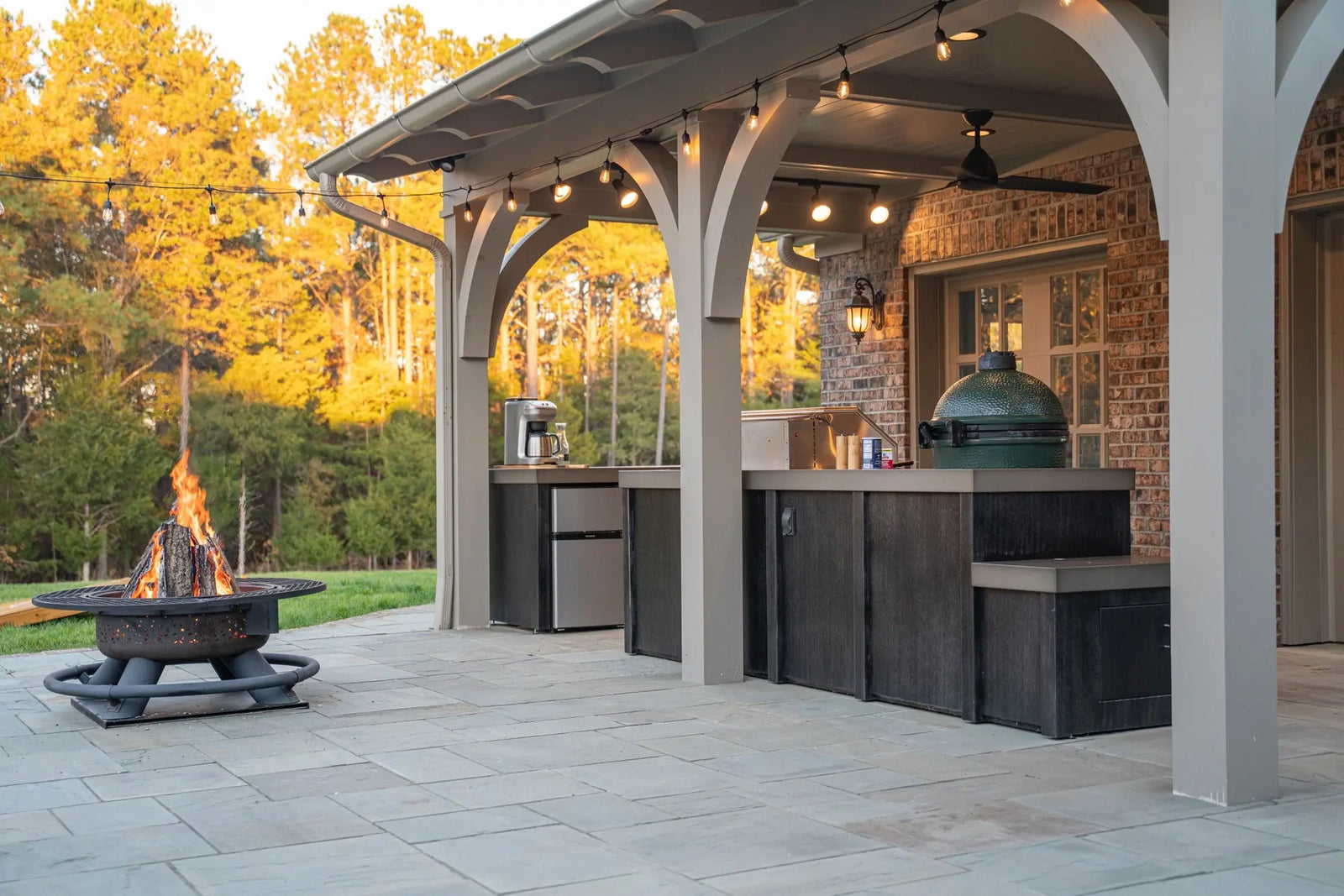
Knowing how to start a Bull gas BBQ correctly makes a big difference between a frustrating first cook and a smooth one. Bull grills are built to last, but like any gas grill, they need to be set up and lit the right way.
Whether you're firing up a Bull grill for the first time or troubleshooting an ignition issue, this guide covers everything you need to know — including the best Bull grill models available at Better Patio so you can find the right setup for your outdoor kitchen.
Ready to get your hands on a Bull grill? Browse our full collection of Bull outdoor grills and find the right model for your backyard setup.

Before you fire up your Bull gas grill, you'll need to set it up properly, choose your fuel type, and do some basic safety checks. These steps protect you and make sure your grill runs right from day one.
Read through your installation instructions before you do anything else. Bull grills need a certain amount of space away from walls, overhangs, and anything flammable — just follow the manual's guidelines.
Bull grills are available in propane and natural gas versions. You have to buy the model that matches your fuel — these aren't interchangeable unless you use a conversion kit, and that's not always recommended.
| Feature | Propane | Natural Gas |
|---|---|---|
| Installation | Simple, no professional needed | Requires licensed gas fitter |
| Fuel Cost | Higher per BTU | Lower per BTU |
| Convenience | Tank refills needed | Continuous supply |
| Portability | Can relocate grill | Fixed location |
Natural gas usually costs less in the long run, but installation will cost more upfront. If you already have a gas line nearby, natural gas is almost always the better choice for a permanent outdoor kitchen.
Always check for gas leaks when you connect or reconnect your fuel source. Here's how to do it right:
Mix equal parts dish soap and water in a spray bottle and spray it on all gas supply connections, hoses, and fittings.
Turn on the gas supply without lighting the grill. Watch every connection closely. If you see bubbles forming, you've got a leak that needs fixing before you use the grill.
If you spot a leak, shut off the gas right away and tighten connections or swap out damaged parts. Retest before attempting to light.
Always keep the grill lid open when lighting. Make sure all control knobs are OFF before opening the gas supply. Keep kids and pets at least three feet away while grilling, and make sure there's good airflow around the grill at all times.
Looking for more grill options? Shop our full range of BBQ grills and find the perfect fit for your outdoor cooking style.
Bull gas grills use either electronic ignition or manual lighting to fire up the burners. Most problems with lighting come down to simple stuff — maybe the gas supply isn't connected right, or the igniter battery is dead.
Open the grill lid all the way. Turn on the gas supply at the tank or gas line. Never attempt to light with the lid closed.
Pick one burner and turn its control knob to high. Hit the electronic igniter button right away. You should hear clicking and see the burner light within a few seconds.
Once the first burner is going, turn the next burner knob to high and let the flame spread. Repeat for any other burners you need.
Wait a couple of minutes for the grill to preheat before setting burners to your cooking temperature. Closing the lid helps it heat up faster and more evenly.
If you've tried lighting and it didn't work, turn off all burner knobs and wait five minutes for any built-up gas to clear before trying again.
Light a long match or butane lighter and hold it close to the burner ports through the grates before turning on any gas.
Push in and turn one burner knob to high while holding the lit match near the burner. It should catch right away.
After the first burner is going, turn on the others as needed. Remove the match and close the lid to preheat for 10 to 15 minutes before cooking.

If you smell gas or can't solve the ignition issue after checking all of the above, call a gas appliance professional. Don't keep attempting to light a grill that has an unresolved gas issue.

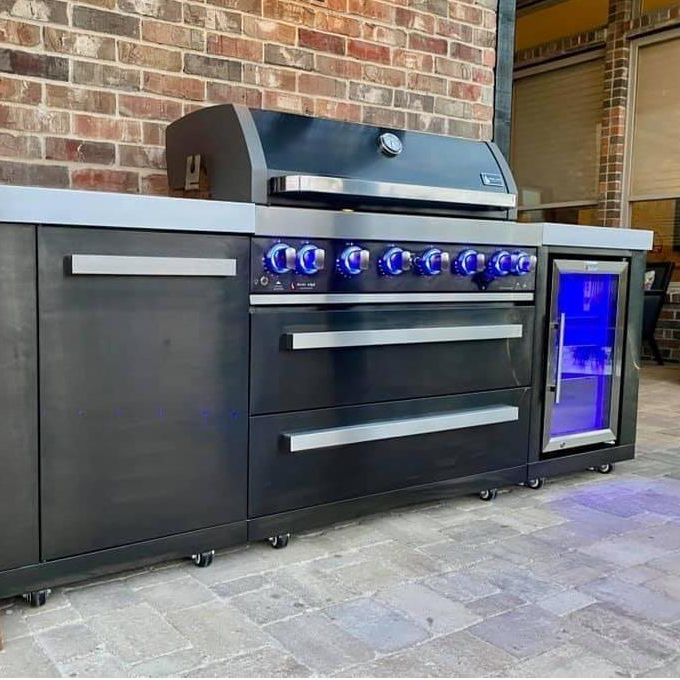
Bull grills feature heavy-duty stainless steel and deliver high BTUs with several burner setups. Your pick depends on your space, fuel type, and which features you'll actually use.
Better Patio stocks several Bull models for built-in outdoor kitchens. Here's a quick look at what's available:
| Model | Size | Burners | BTU | Notable Features |
|---|---|---|---|---|
| Bull Steer | 24" | 3 | 45,000 | Compact, great for smaller patios |
| Bull Angus | 30" | 4 | 75,000 | Rotisserie burner, grill lights |
| Bull Outlaw | 30" | 4 | 60,000 | Straightforward build, no extras |
| Bull Lonestar Select | 30" | 4 | 60,000 | Clean design, essential features |
| Bull Brahma | 38" | 5 | 90,000 | Infrared rotisserie burner, lights |
| Bull Diablo | 46" | 6 | 105,000 | Top-tier features, maximum output |
Each built-in gas grill drops directly into your outdoor kitchen counter. Better Patio also carries the Bull Bison 32" charcoal grill and a 30" griddle if you want to mix cooking styles in your outdoor setup.
Complete your outdoor kitchen with the right storage. Shop our collection of outdoor refrigeration and keep your ingredients fresh and ready to go.
Starting a Bull gas BBQ the right way comes down to a few simple steps — proper setup, safe lighting, and knowing what to do when something doesn't go as planned.
Bull grills are built for serious outdoor cooking, and with the right setup they'll deliver consistent results for years. Whether you're lighting up for the first time or upgrading your outdoor kitchen, getting the basics right makes every cook better.
Ready to take your outdoor setup further? Check out our guide on how to choose an outdoor kitchen contractor and build a space worth cooking in.
Getting your Bull gas BBQ running means knowing how to start it, troubleshoot ignition issues, and use the right lid position. Here are some common questions about Bull grills.
Make sure all control knobs are off before connecting the gas, then open the lid before lighting. Turn on the gas at the tank or main line, set one burner knob to high, and press the igniter until it lights. If you smell gas at any point, shut everything off immediately and wait five minutes before trying again.
Always open the lid before lighting to prevent gas buildup inside the grill. Turn on your gas, set one burner to high, and press the igniter — it should catch within a few seconds. Once the first burner is lit, turn on the remaining burners and preheat for 10 to 15 minutes before cooking.
A dead igniter battery or dirty electrode is the most common culprit, so check that the electrode sparks and sits close to the burner. Gas flow issues are another frequent cause — confirm your propane tank has fuel, the valve is open, and burner ports aren't clogged. If the problem persists, contact Bull or an authorized dealer to check if parts are covered under warranty.
Always start your Bull gas grill with the lid open to prevent gas from building up inside. Lighting with the lid closed can cause a dangerous flashback when the accumulated gas ignites. Once all burners are running, close the lid to preheat the grill before cooking.

As the outdoor living trend continues to thrive, you may be wonder...

How to transform your outdoor space in 5 steps to...