Hiring the right outdoor kitchen contractor can be the difference between a backyard kitchen that feels effortless for years and one that creates delays, repairs, and expensive regrets.
A strong contractor helps you plan the layout, coordinate utilities, choose outdoor-rated materials, install appliances safely, and complete the space around the kitchen. Before you sign a proposal, use this guide to compare experience, pricing, permits, timelines, and BetterPatio build options with more confidence.
An outdoor kitchen contractor should do more than place a grill on a patio. A complete outdoor kitchen may involve design planning, foundation review, gas lines, plumbing, electrical connections, ventilation, drainage, cabinetry, countertops, appliance openings, final installation, and inspections.
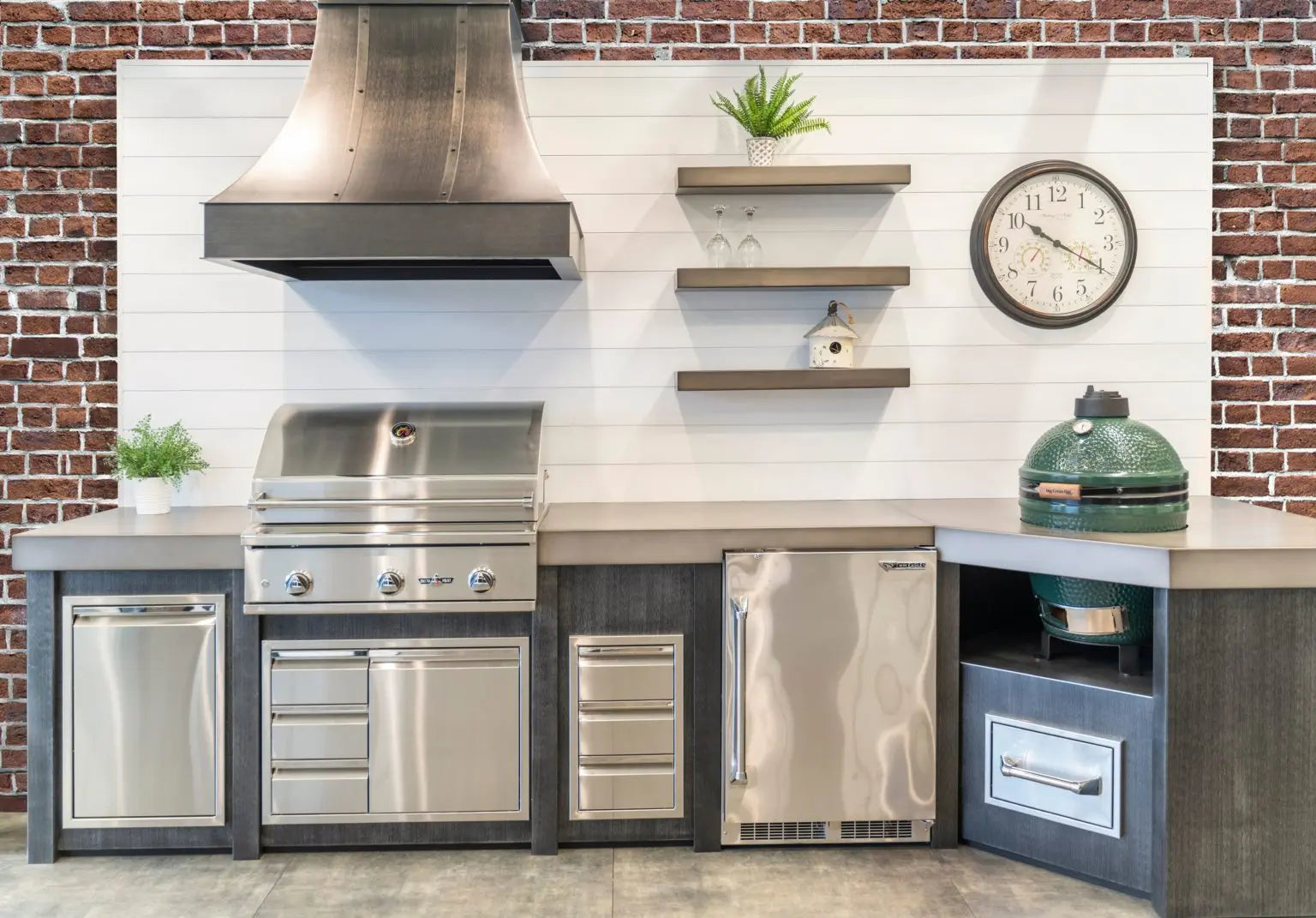
Before you compare bids, review BetterPatio’s full outdoor kitchen collection so you can see the difference between compact grill islands, prebuilt layouts, modular setups, and more complete backyard kitchen systems.
Smart planning noteA contractor can build the kitchen, but you should still understand the product path first. When you know whether you want a custom, prebuilt, modular, or L-shaped kitchen, it becomes easier to compare quotes fairly.

Outdoor kitchens are different from indoor remodels. Materials must handle sun, heat, rain, smoke, grease, moisture, freeze-thaw cycles, and daily outdoor use. The contractor should understand appliance clearances, outdoor-rated products, counter support, ventilation, and how guests will move around the cooking zone.
Request before-and-after photos of completed backyard kitchens, grill islands, bar seating, appliance installs, and outdoor cooking stations. A strong portfolio should show work similar to your project.
Ask whether the contractor has installed built-in grills, side burners, refrigerators, sinks, pizza ovens, access doors, trash drawers, vents, and outdoor-rated outlets.
Experienced contractors should be able to explain how they solve grading issues, smoke direction, drainage problems, appliance fit, utility routing, and weather delays.
Before signing any agreement, ask for proof of contractor licensing where required, general liability insurance, worker’s compensation coverage, and a written explanation of who handles gas, plumbing, and electrical work.
Outdoor kitchens with permanent gas, water, electrical, roofing, or structural work may require local permits. If your project includes gas lines, hardwired electrical, plumbing, drainage, or covered cooking areas, the contractor should explain what is needed before work starts.
Permit reminderDo not rely on verbal promises about code-sensitive work. Gas, plumbing, electrical, and structural components should be handled by properly qualified professionals according to local requirements.
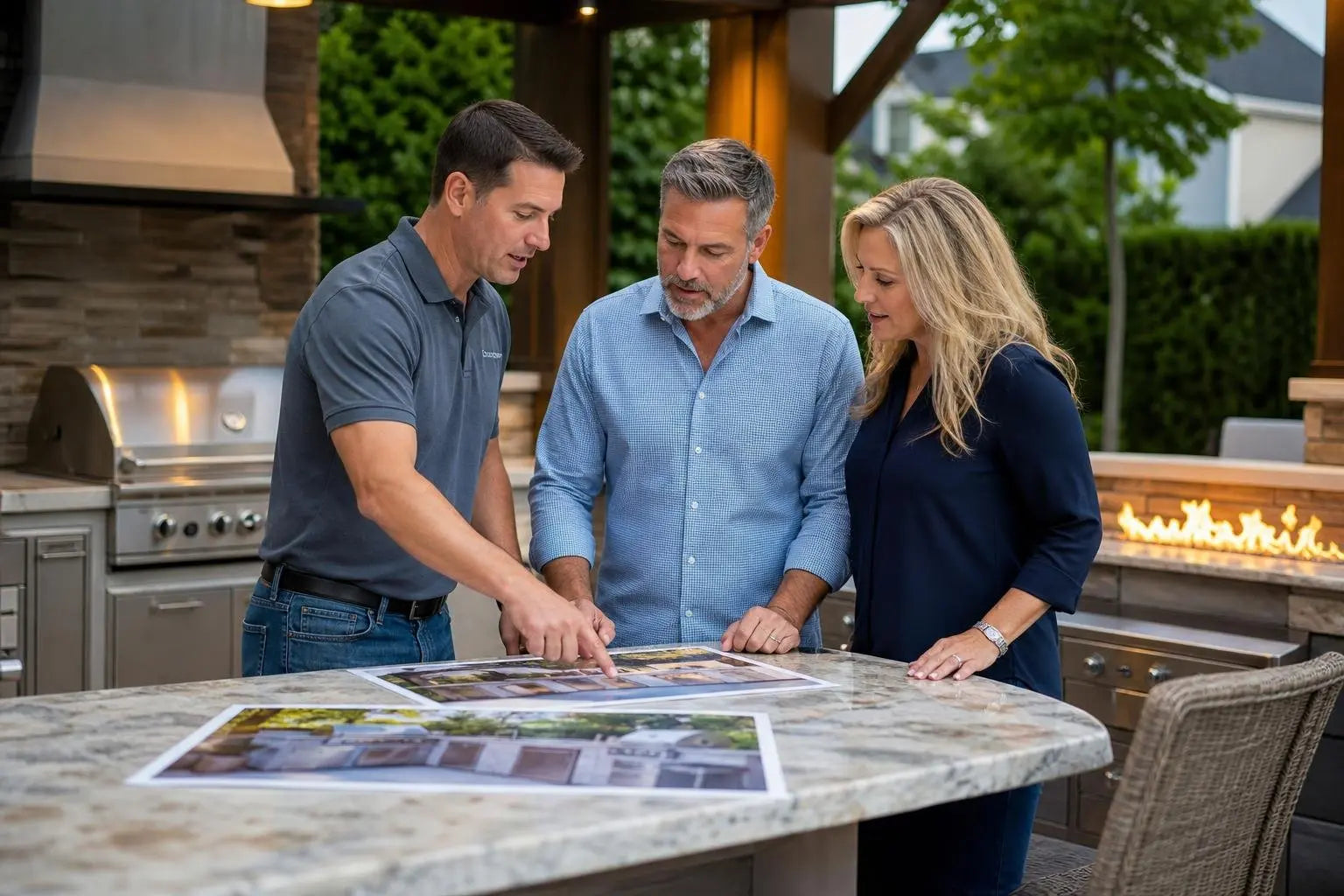
A good outdoor kitchen contractor should ask how you cook, how often you entertain, how many people use the patio, where guests will sit, and how close the kitchen should be to the house. The layout should support real use, not just look good in a proposal.
Use BetterPatio’s guide to outdoor kitchen layout ideas to compare straight, L-shaped, U-shaped, and island layouts before approving a final design.
| Design Area | What To Ask | Why It Matters |
|---|---|---|
| Cooking Zone | Where will the grill, burner, or pizza oven sit? | The cooking zone affects smoke direction, heat clearance, prep flow, and guest comfort. |
| Prep Space | How much counter space is available beside the grill? | Limited prep space makes even a premium grill island frustrating to use. |
| Storage | Where will tools, fuel, trash, and cleaning supplies go? | Storage keeps the outdoor kitchen organized and reduces trips back inside. |
| Guest Flow | Can guests move around the cook without crowding the grill? | Good traffic flow makes the patio safer and more comfortable during gatherings. |
If your patio is compact or irregular, check BetterPatio’s outdoor kitchen space requirements guide before approving the footprint, seating clearance, or appliance placement.

Bring a prepared question list to every consultation. Clear answers reveal whether the contractor understands outdoor construction, installation sequencing, and long-term durability.
Outdoor kitchen contractor pricing depends on the size of the project, product selection, utility work, site conditions, finish materials, labor rates, and whether the kitchen is custom, modular, or prebuilt.
For finish planning, compare BetterPatio’s guide to outdoor kitchen countertop materials before selecting stone, tile, concrete, stainless steel, or porcelain surfaces.
| Cost Factor | What It Includes | Contractor Question |
|---|---|---|
| Appliances | Built-in grill, side burner, refrigerator, sink, storage, access doors, and trash drawers. | Are appliance models included in the estimate or listed as allowances? |
| Utilities | Gas lines, water supply, drainage, GFCI outlets, lighting, and appliance power. | Who performs the licensed trade work, and is inspection included? |
| Structure | Island base, framing, panels, masonry, slab support, vents, and access openings. | What structure is being built, and how is ventilation handled? |
| Finishes | Countertop, cladding, stone, stucco, tile, porcelain, hardware, and trim details. | Are finish samples, sealing, and long-term maintenance included? |
Before you hire an outdoor kitchen contractor, decide whether your project should be custom, prebuilt, modular, or layout-specific. This helps you avoid paying for unnecessary complexity or choosing a product that does not fit your patio.
| Build Path | Best For | Recommended Starting Point |
|---|---|---|
| Prebuilt BBQ Island | Homeowners who want a faster, more predictable setup with fewer design decisions. | Prebuilt BBQ islands |
| Modular Outdoor Kitchen | Flexible patios where you may want to combine sections, appliances, and storage. | Modular outdoor kitchens |
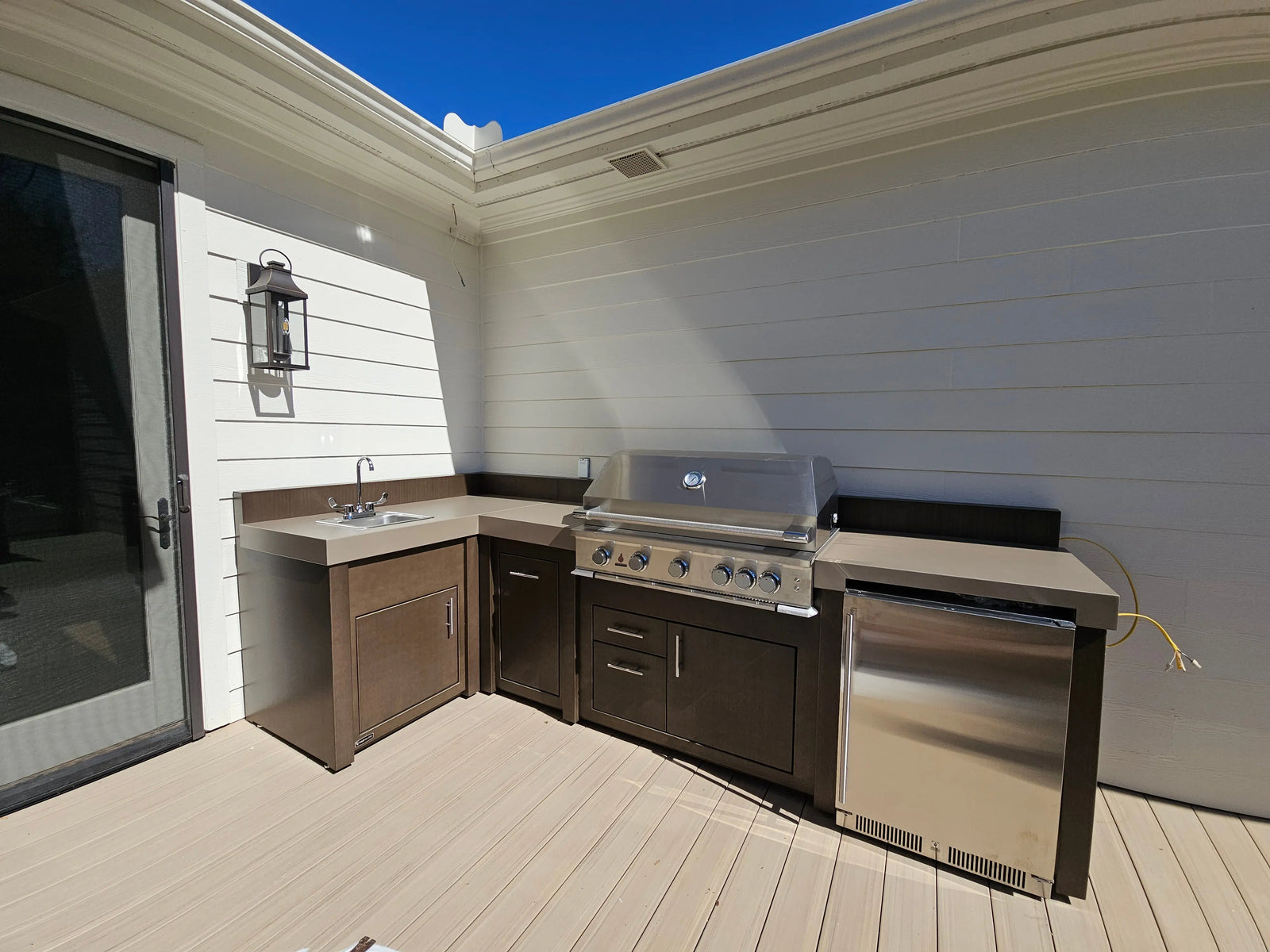
| L-Shaped Kitchen | Corner layouts, bar seating, and separating the grill zone from prep or serving space. | L-shaped outdoor kitchen islands |
| Custom Outdoor Kitchen | Large patios, premium finishes, unusual layouts, and fully planned backyard entertainment zones. | Designer outdoor kitchens |
Use these recommendations to match the contractor conversation with the right BetterPatio product path. The goal is not just to buy a kitchen, but to reduce guesswork before the build begins.
These BetterPatio picks can help you discuss specific layouts, appliance needs, shade planning, and finish expectations with your contractor before the final proposal is approved.

A contractor-friendly L-shaped island option with built-in entertaining function.
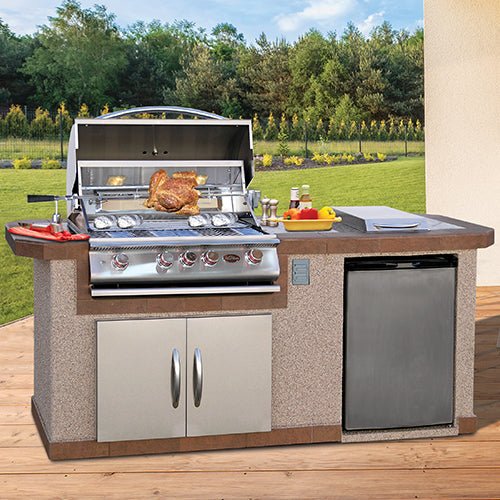
A flexible starting point for homeowners comparing appliance placement, prep space, and finish options.

A premium path for homeowners who want finish options and guided design support.
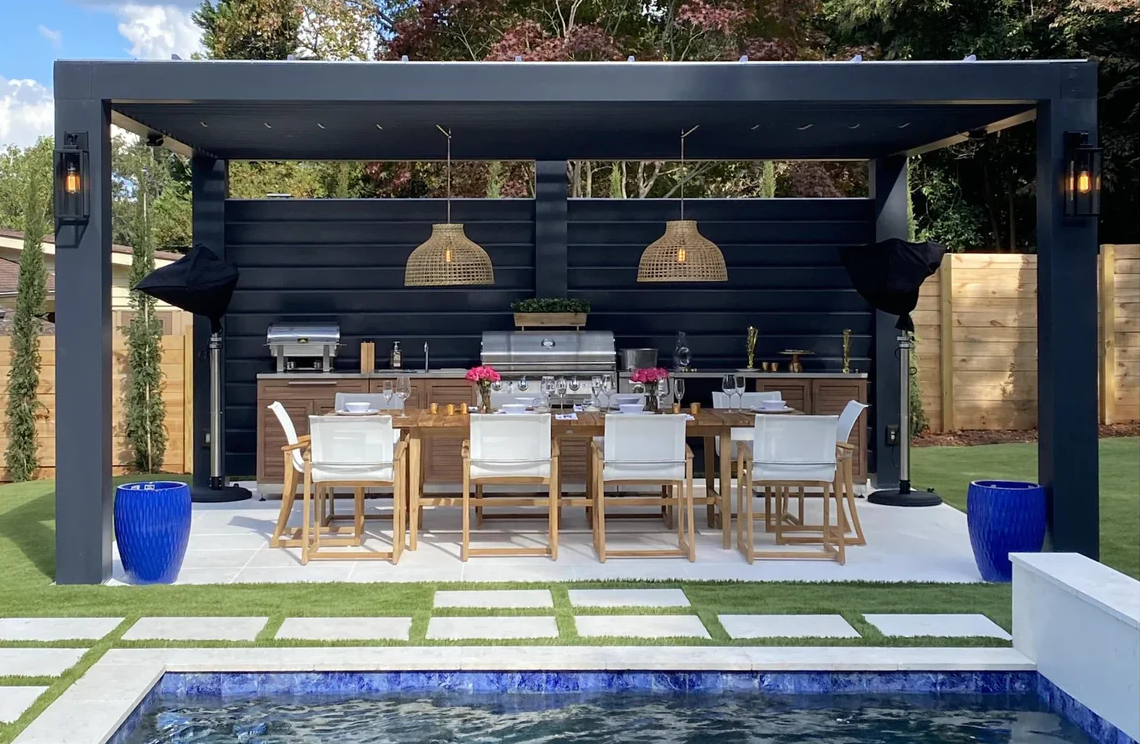
A shade upgrade that helps define the cooking, dining, and lounge zones.
Even a well-funded project can become frustrating if the contractor skips planning details. Use this section as a second-pass review before approving the final design and estimate.
| Mistake | Why It Causes Problems | How To Avoid It |
|---|---|---|
| Vague Scope | You cannot compare bids if appliance models, materials, utilities, and finishes are unclear. | Ask for an itemized estimate with model numbers, allowances, labor, and exclusions. |
| Poor Ventilation | Heat and smoke can damage finishes or make the seating area uncomfortable. | Review grill clearances, vent panels, hood requirements, and wind direction early. |
| Indoor Products Outside | Indoor-rated appliances and materials may fail quickly outdoors. | Confirm all appliances, outlets, cabinetry, and finishes are rated for exterior use. |
| No Change Order Process | Small design changes can become expensive once construction begins. | Require written approval for changes to price, scope, timeline, or product selections. |

A trustworthy contractor should make the process clearer, not more confusing. Be cautious if you notice any of the following warning signs.
Before you hire an outdoor kitchen contractor, make sure the proposal clearly answers what is being built, who is responsible for each trade, what products are included, and how problems will be handled.
Look for proven outdoor kitchen experience, a strong portfolio, licensing where required, insurance, clear written estimates, permit knowledge, and experience with gas, plumbing, electrical, ventilation, and outdoor-rated appliances.
A simple movable grill setup may not need a contractor. A built-in outdoor kitchen with utilities, permanent appliances, countertops, cabinetry, drainage, or structural work usually benefits from an experienced contractor and licensed trade professionals.
Cost depends on layout size, appliances, materials, site work, utility connections, permits, finish quality, and labor rates. A detailed estimate should separate products, labor, utilities, finishes, delivery, installation, and warranty coverage.
Ask how many outdoor kitchens they have built recently, whether they handle permits, who performs utility work, what materials they recommend for your climate, what brands they install, how they handle delays, and what warranty they provide.
A custom outdoor kitchen gives the most design flexibility, while a prebuilt island can be faster and more predictable. Modular outdoor kitchens can offer a middle ground with flexible sections and a cleaner planning process.
Choosing the right outdoor kitchen contractor protects your budget, your home, and the long-term value of your backyard. Start by confirming real outdoor kitchen experience, licensing, insurance, permits, utility planning, detailed pricing, and warranty support.
Then compare the right BetterPatio build path before you sign. When the product direction and contractor scope are both clear, your outdoor kitchen is much more likely to feel durable, comfortable, and ready for real entertaining.

As the outdoor living trend continues to thrive, you may be wonder...

How to transform your outdoor space in 5 steps to...