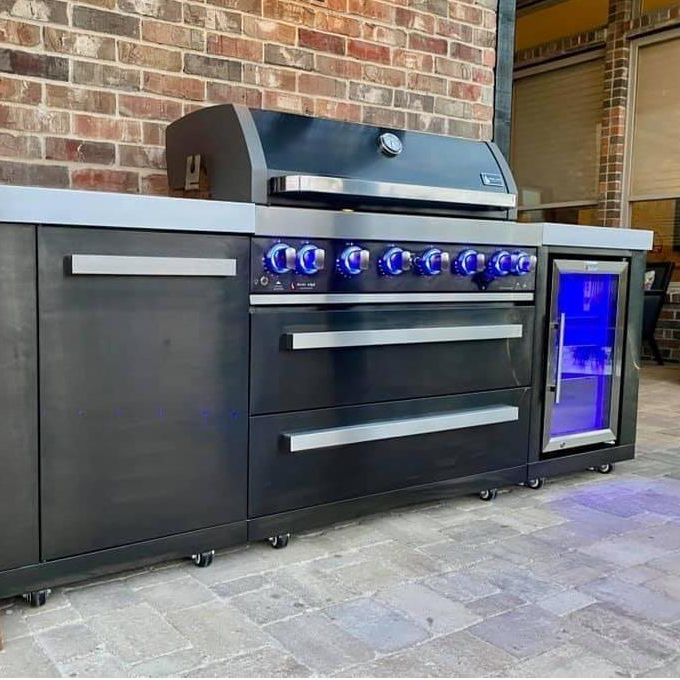
Outdoor kitchen burners can turn a basic grill station into a full backyard cooking setup.
Instead of running inside to boil pasta, simmer sauce, fry seafood, or stir-fry vegetables, the right burner lets you cook the full meal outside while the grill is still working.
Outdoor kitchen burners are gas cooking appliances built into an outdoor kitchen island, counter, or cooking station. They work like indoor stovetop burners, but they are designed for outdoor heat, moisture, grease, wind, and weather exposure.
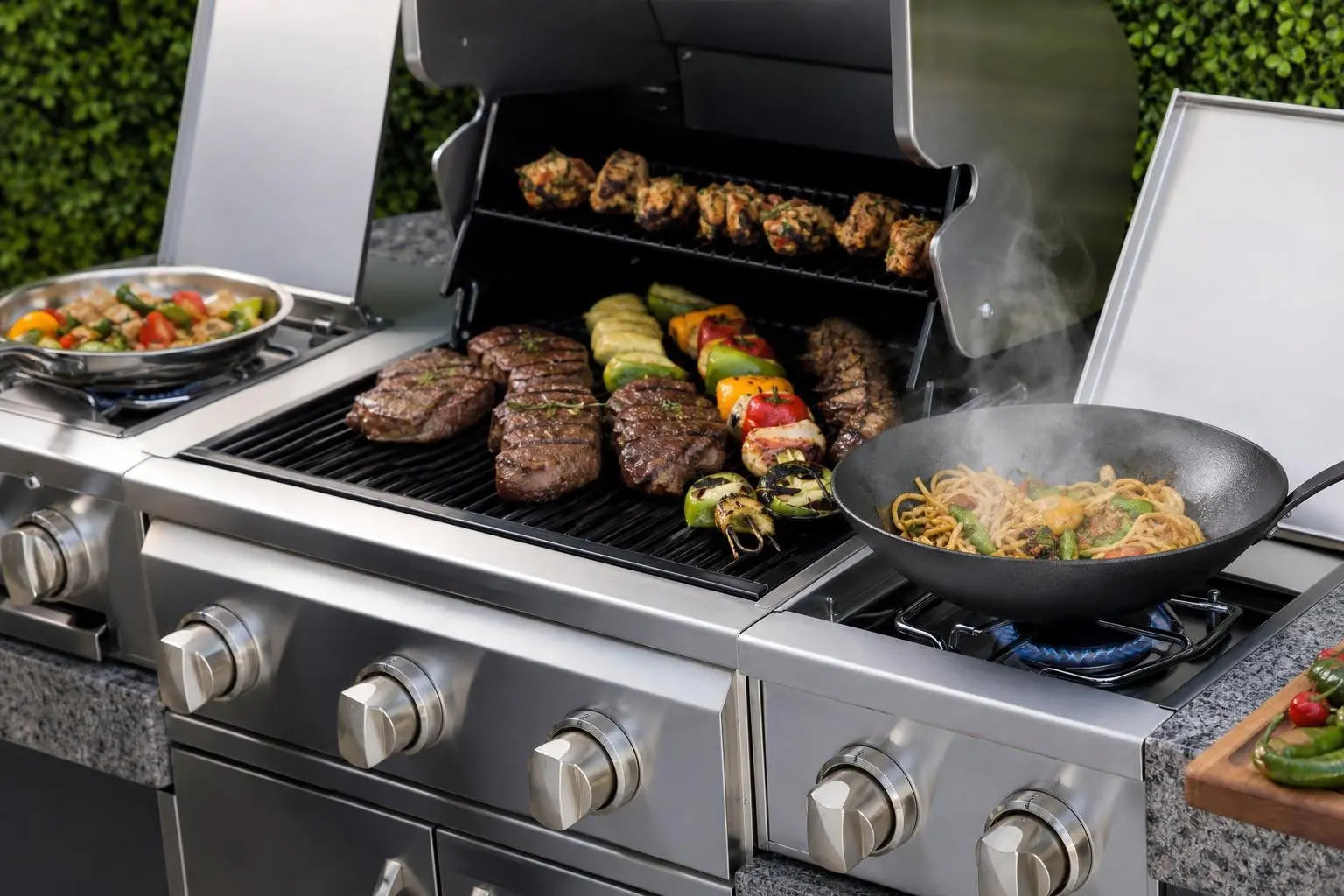
They let you prepare full meals outside while using the grill at the same time. You can simmer barbecue sauce, boil pasta, heat side dishes, fry fish, steam shellfish, cook rice, or use a wok without leaving the patio.
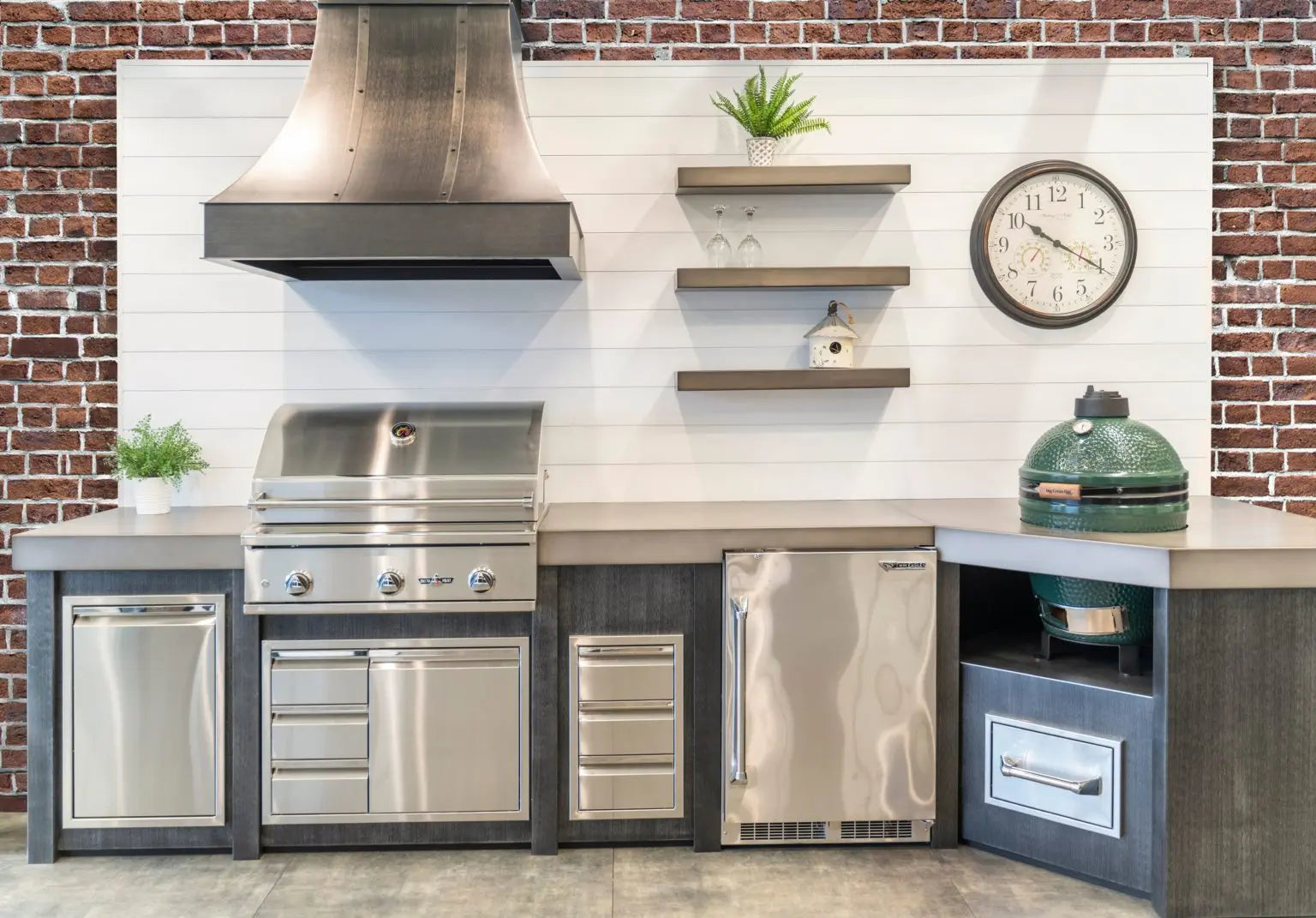
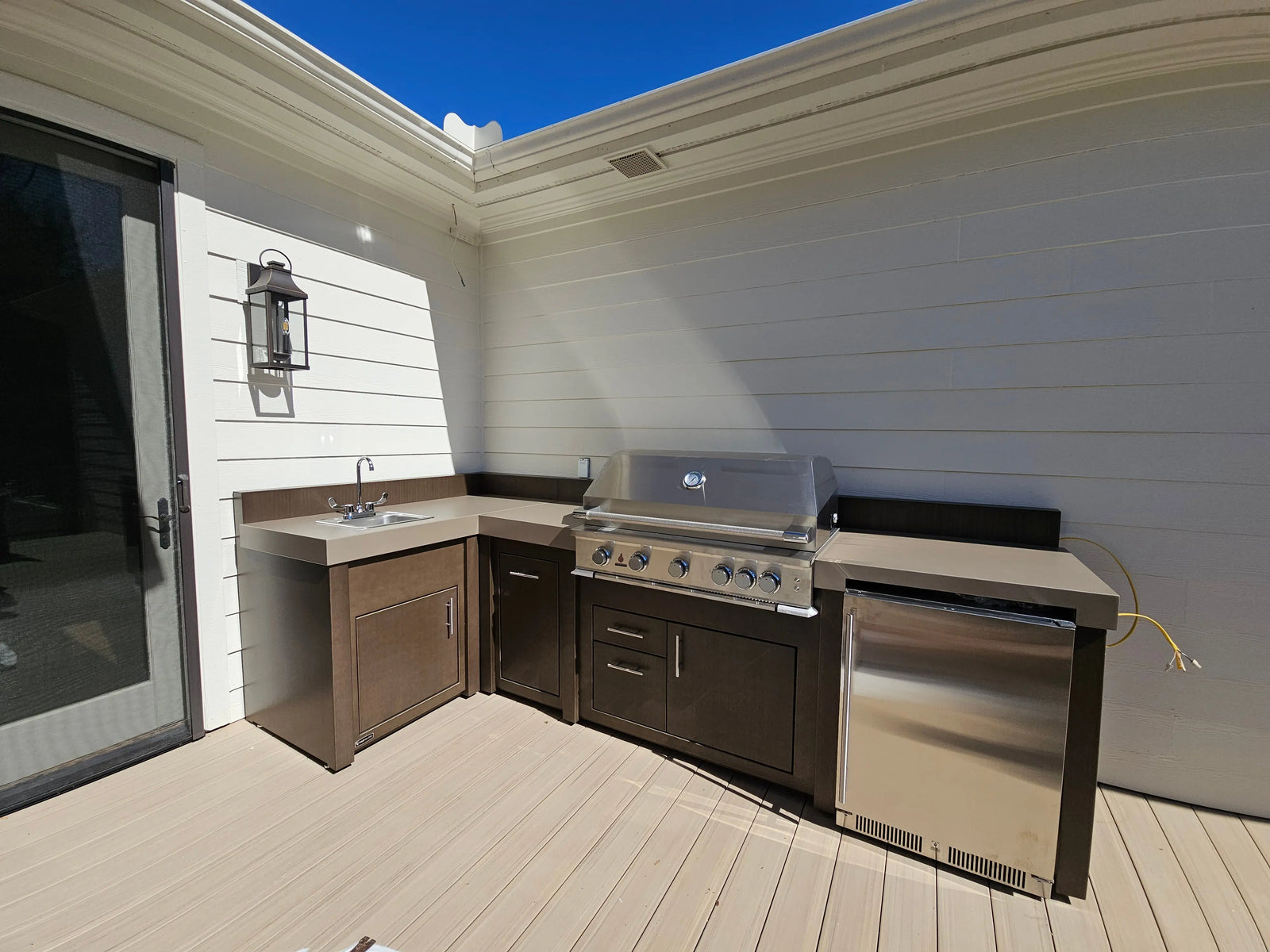
If you are still planning the full layout, start by browsing BetterPatio’s outdoor kitchen collection so you can see how burners, grills, storage, refrigeration, counters, and seating work together in a complete cooking zone.
Quick answerMost homeowners only need a side burner for everyday cooking. Choose a power burner if you regularly use oversized pots, host large cookouts, fry outdoors, or want restaurant-level heat for boiling and wok-style cooking.

The best burner depends on what you actually cook. A small sauce pot, a large seafood boil pot, and a round-bottom wok all need different heat patterns and support.
| Burner Type | Best For | Typical Heat Range | Layout Fit |
|---|---|---|---|
| Side burner | Sauces, vegetables, pasta, sides, and small cookware. | About 12,000 to 25,000 BTUs. | Compact islands and everyday grill stations. |
| Double side burner | Cooking two side dishes or one side dish while simmering sauce. | Often 24,000 to 30,000 total BTUs. | Medium outdoor kitchens with more counter space. |
| Power burner | Large pots, rapid boiling, frying, crab boils, and heavy cookware. | About 40,000 to 60,000+ BTUs. | Larger islands and serious cooking zones. |
| Wok burner or wok-ready burner | High-heat stir fry, fast searing, and round-bottom cookware. | Moderate to very high depending on model. | Cooking-focused kitchens with good ventilation. |
Side outdoor kitchen burners are the most common choice because they handle the everyday jobs that a grill does not do well. They are useful for small pots, controlled heat, sauces, vegetables, and simple weeknight meals.
Side burners are also easier to fit into smaller kitchens. If your patio layout is compact, review BetterPatio’s outdoor kitchen space requirements guide before deciding how much counter area you can give to a burner.
A single side burner is enough for occasional sauce, pasta, or vegetable prep. A double side burner makes more sense if you cook full meals outdoors and want two pans working at the same time.
| Choice | Best For | Main Advantage | Tradeoff |
|---|---|---|---|
| Single side burner | Light cooking and compact islands. | Saves counter space and budget. | Only one pan or pot at a time. |
| Double side burner | Frequent outdoor meals and entertainers. | More flexible meal prep. | Needs more cutout space and gas capacity. |
Power burners are built for high heat and larger cookware. They are the right choice when a standard side burner feels too small or too slow.
A good power burner can support large stock pots, frying setups, crab boil pots, turkey fryer-style cooking, and heavy cookware. It also gives you more heat control than using a loose propane burner on the ground.
Layout shortcutHigh-output burners should sit in a dedicated cooking zone with nearby prep space, safe landing space, and clear walkways. BetterPatio’s outdoor kitchen zoning guide explains how to separate cooking, prep, serving, and dining zones for smoother entertaining.

Wok cooking needs fast heat response and focused flame. Some outdoor kitchen burners are specifically designed for wok use, while others include a wok ring or grate that supports rounded cookware.
For stir fry, heat intensity is useful, but control is just as important. You want a burner that can deliver strong flame and still adjust low enough for sauces or finishing dishes.
BTU output tells you how much heat a burner can produce. Higher BTUs can be useful for large pots, but more heat is not always better. Too much power can make small pans hard to control and may waste fuel.
| Cooking Style | Recommended Range | Best Burner Type | Practical Note |
|---|---|---|---|
| Light simmering | 12,000 to 20,000 BTUs | Side burner | Good for sauces, sides, and vegetables. |
| Everyday outdoor cooking | 20,000 to 40,000 BTUs | Double side burner | Useful when cooking more than one dish. |
| Large pots and high heat | 40,000 to 60,000+ BTUs | Power burner | Best for boils, frying, and oversized cookware. |
Most outdoor kitchen burners run on either propane or natural gas. The right option depends on your home, budget, cooking frequency, and whether you want a permanent fuel line.
| Fuel Type | Advantages | Limitations | Best For |
|---|---|---|---|
| Propane | Portable, strong heat, easier for some retrofits. | Tanks need refilling and safe storage. | Flexible setups and homes without natural gas service. |
| Natural gas | Steady fuel supply with no tank swaps. | Needs a properly sized gas line and professional installation. | Permanent outdoor kitchens used often. |
Some burners can be converted between fuel types only with manufacturer-approved parts. Do not assume a propane burner can safely run on natural gas without the correct conversion kit, regulator, orifice, and setup.
Built-in outdoor kitchen burners need exact cutout dimensions, proper support, safe gas access, and enough surrounding counter space. They should not be added randomly after the island is built.
Decide whether the burner is mainly for sauces, everyday sides, large pots, stir fry, or entertaining. Your cooking style should determine the burner type before you choose a model.
Every built-in burner has specific cutout requirements. Confirm width, depth, height, clearance, and countertop compatibility before ordering.
Gas appliances need proper pressure, shut-off access, and island ventilation. Leave counter space nearby for hot pans, ingredients, and safe serving.
For a full planning workflow, BetterPatio’s custom outdoor kitchen planning guide walks through measurements, materials, utilities, renderings, and final layout decisions.

Outdoor kitchen burners face heat, moisture, grease, and temperature swings. Strong materials matter because lower-grade metals can rust, discolor, warp, or fail earlier outdoors.
If you are also comparing the main grill, BetterPatio’s guide to built-in grills for outdoor kitchens explains why stainless steel construction, burner quality, ignition systems, and cutout fit matter for long-term performance.
Outdoor kitchen burners are gas appliances, so installation should be planned carefully. Natural gas connections and complex propane systems should usually be handled by a licensed professional.
| Requirement | Why It Matters | Planning Tip |
|---|---|---|
| Correct gas pressure | Poor pressure causes weak flames or unsafe performance. | Match the burner to the gas system and fuel type. |
| Island ventilation | Ventilation helps prevent gas buildup inside cabinets. | Propane installations need special attention because propane is heavier than air. |
| Accessible shut-off valve | You need quick control for service or emergency shutoff. | Place valves where they are protected but reachable. |
| Clearances | Heat can damage walls, cabinets, and nearby furniture. | Follow the manufacturer’s installation manual and local code. |
Safety noteDo not ignore island ventilation or combustible clearances. BetterPatio’s outdoor kitchen design mistakes guide highlights how poor layout planning can create frustrating and expensive problems after installation.
Regular cleaning keeps outdoor kitchen burners safer, more reliable, and better looking. Grease, food particles, insects, and debris can block ports or cause uneven flames.
Burners work best as part of a complete appliance plan. If you want cold storage near your cooking zone, browse BetterPatio’s outdoor refrigeration collection to coordinate drinks, ingredients, and prep flow.
Many buyers focus only on BTUs and overlook fit, fuel, ventilation, and cooking habits. That can lead to a burner that is powerful but impractical.
| Mistake | Why It Hurts | Better Choice |
|---|---|---|
| Buying too much heat | High BTUs can be hard to control for small pans. | Match heat output to your most common cookware. |
| Ignoring fuel compatibility | Wrong fuel setup can create unsafe performance. | Choose propane or natural gas before ordering. |
| Forgetting ventilation | Gas can accumulate inside enclosed islands. | Add manufacturer-approved island vents. |
| Skipping cutout checks | The burner may not fit the countertop opening. | Confirm dimensions before fabrication. |
| Crowding the cook zone | No landing space makes hot-pan handling unsafe. | Plan prep and serving space next to the burner. |
Outdoor kitchen burners are worth it if you want to cook complete meals outside. They are especially useful for families who entertain often, cook multiple dishes at once, or want to keep heat, grease, and strong smells outside the house.
They may not be necessary if you only grill burgers and hot dogs occasionally. But once you start using an outdoor kitchen for full dinners, a burner quickly becomes one of the most useful upgrades.
Choose a side burner for everyday cooking, a double side burner for more flexible meal prep, and a power burner if you regularly use large pots, fry outdoors, or host big cookouts. For wok-style cooking, look for stable cookware support, strong flame control, and enough surrounding clearance.
Plan the burner before the island is built. The right fuel type, cutout size, counter space, ventilation, and material quality will matter more than raw BTU numbers alone.
Use these burner options as starting points for sauces, sides, stir fry, high-heat boiling, and full outdoor meal prep.

A compact 304-grade stainless steel side burner for sauces, sides, and wok-friendly everyday cooking.
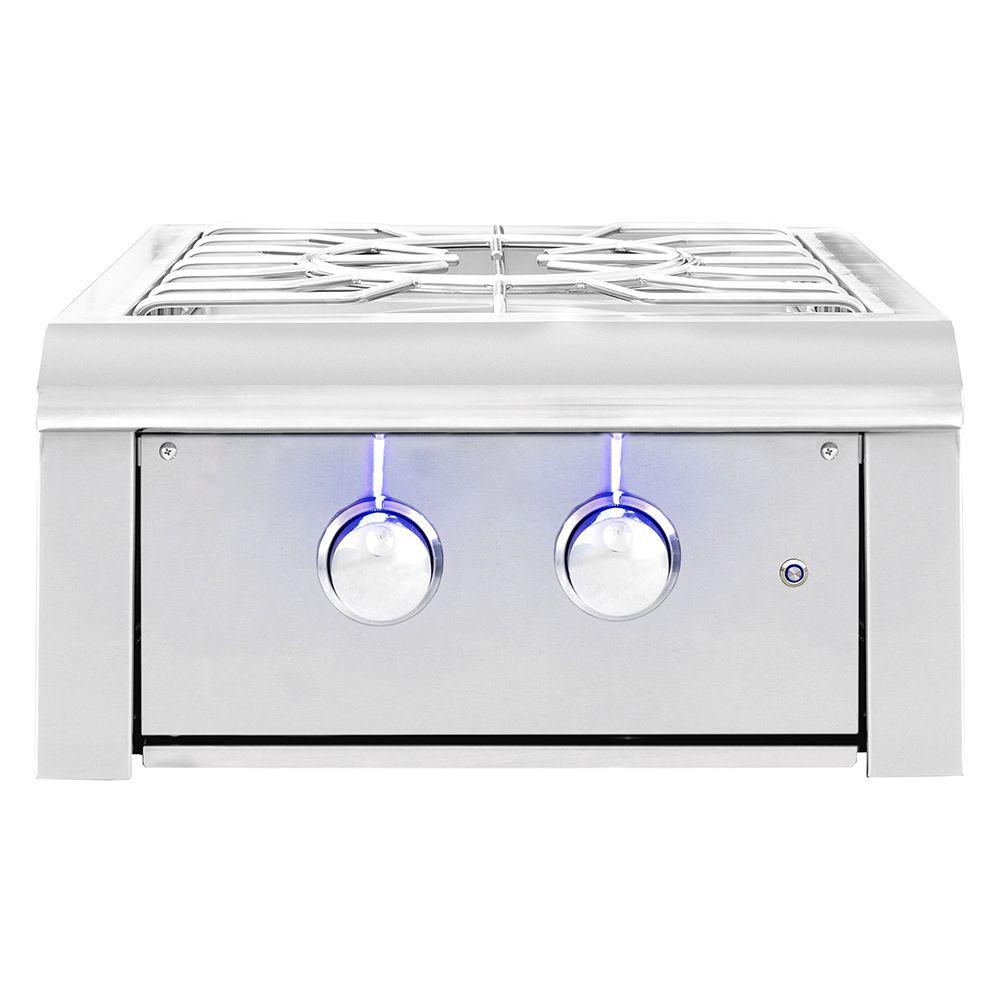
A built-in #304 stainless steel power burner for large cookware, high heat, and serious outdoor cooking.

A 25,000 BTU stainless steel side burner with brass burner and removable wok ring for flexible cooking.
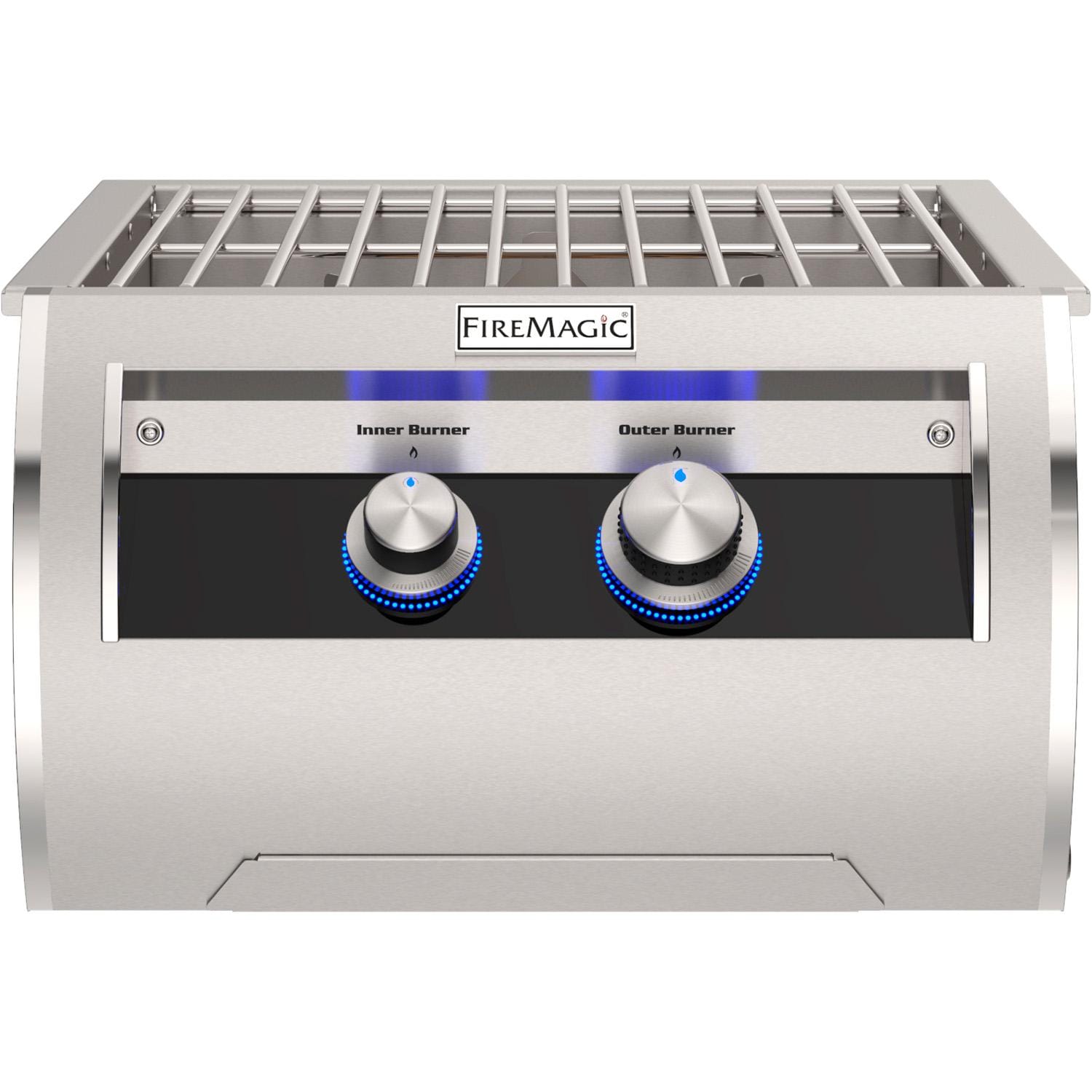
A high-output built-in burner with inner and outer burner control for stock pots, woks, and heavy cooking.
Outdoor kitchen burners are used for cooking sides, boiling water, simmering sauces, frying food, reheating dishes, and preparing full meals outside. They work alongside the grill so you do not have to keep running back to the indoor kitchen.
A basic side burner is often around 12,000 to 20,000 BTUs, while stronger side burners may reach about 25,000 BTUs. Power burners can reach 40,000 to 60,000+ BTUs for large pots, boiling, and frying. Choose based on your cookware and cooking style, not just the highest number.
Most outdoor kitchen burners are available for propane or natural gas. Propane uses refillable tanks and is flexible for some layouts. Natural gas connects to a home gas line and is convenient for permanent outdoor kitchens. Only convert fuel types with approved parts and professional guidance.
A side burner is usually designed for moderate everyday cooking such as sauces, pasta, and side dishes. A power burner produces much higher heat and is better for oversized pots, rapid boiling, frying, seafood boils, and heavy-duty outdoor cooking.
Outdoor kitchen burners are not required, but they make the kitchen much more versatile. If you only grill occasionally, you may not need one. If you cook full meals outside or entertain often, a burner is one of the most useful appliance upgrades.
Some experienced DIY homeowners can handle basic countertop preparation, but gas connections, natural gas lines, propane ventilation, and combustible clearances should usually be handled by a licensed professional. Always follow the manufacturer’s manual and local code.

As the outdoor living trend continues to thrive, you may be wonder...

How to transform your outdoor space in 5 steps to...