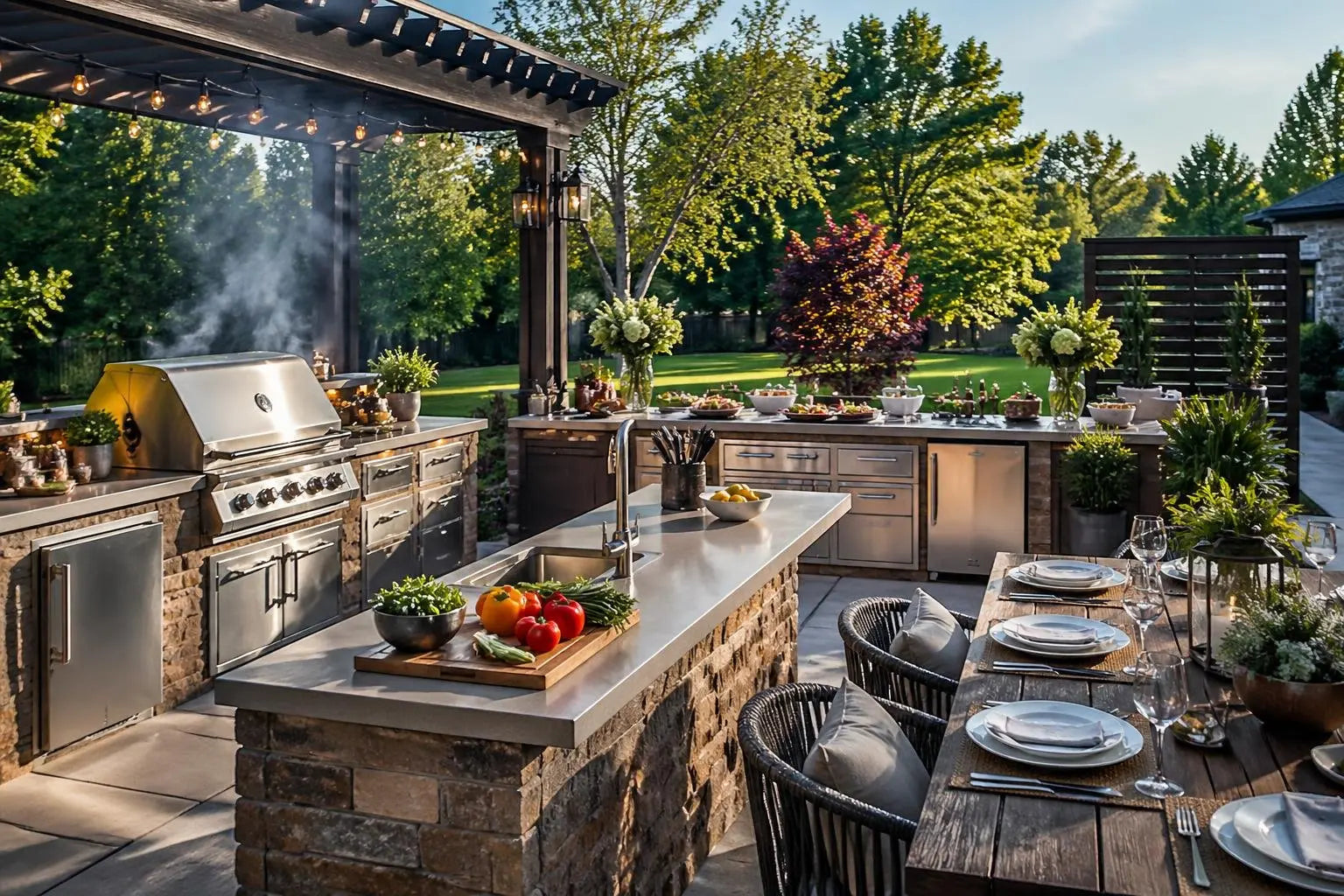
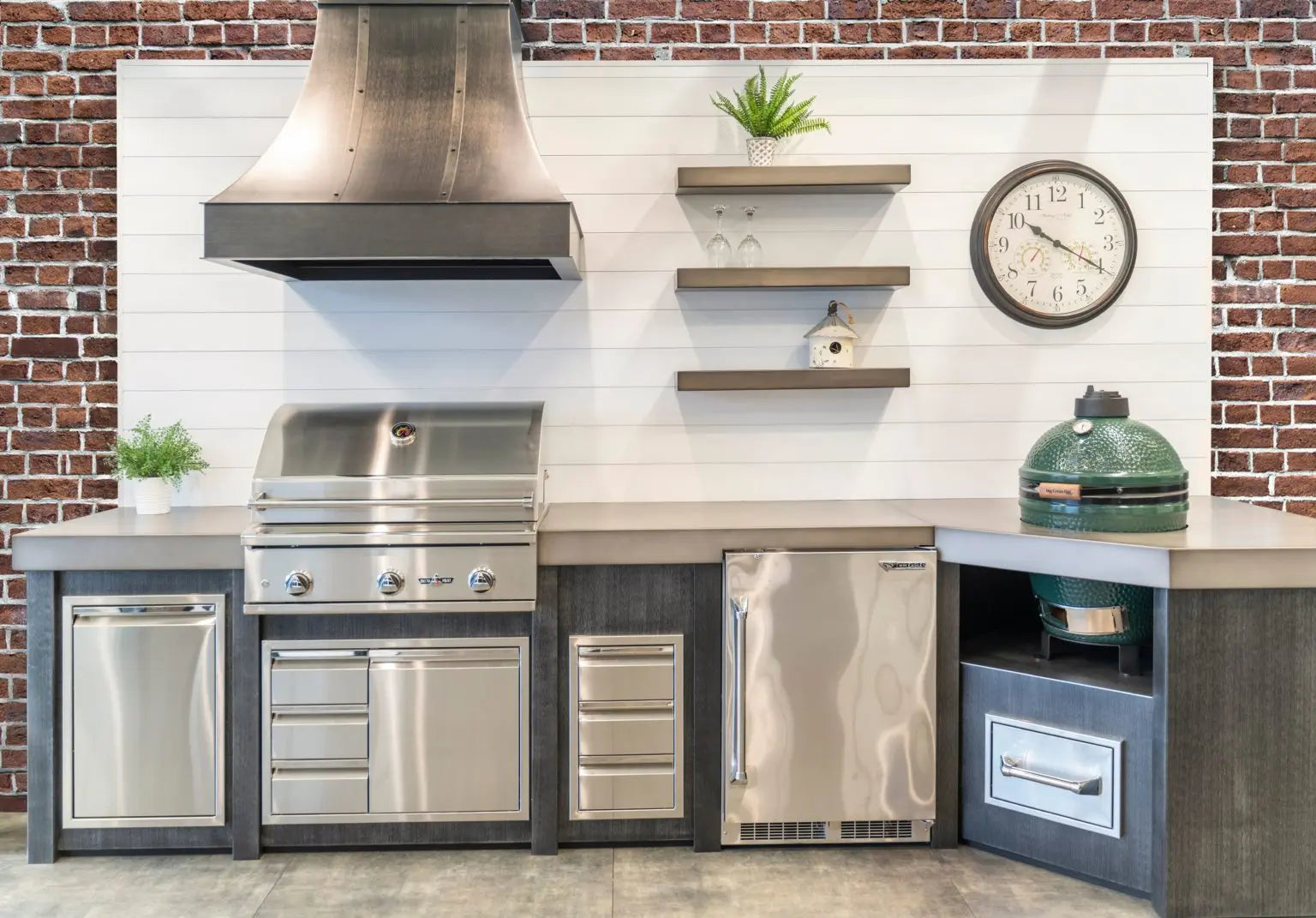
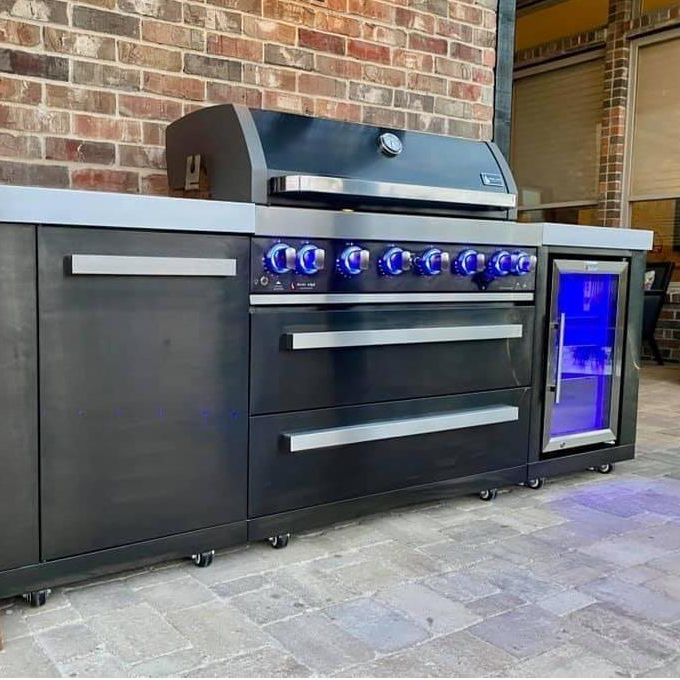
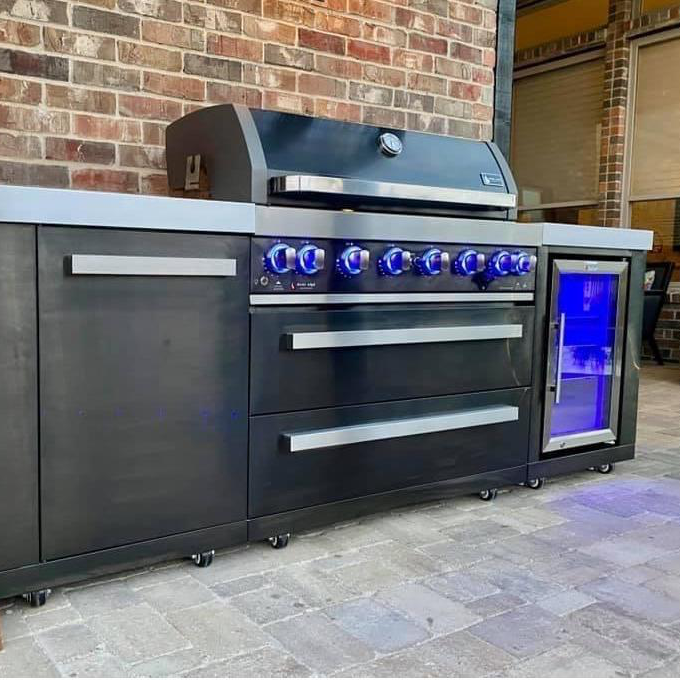
Outdoor kitchen zoning is the key to building a backyard cooking space that actually functions well. Without clear zones, you end up with a cluttered setup where prep work, cooking, and serving all compete for the same surface — and guests have nowhere comfortable to sit.
The good news is that zoning doesn't require a massive yard or a big budget. Even a compact outdoor kitchen can be organized into distinct areas that make cooking and entertaining feel seamless. This guide walks you through the four core zones and how to arrange them for your specific yard and layout.

Zoning your outdoor kitchen means grouping similar tasks into specific areas so you're not running laps while cooking. With clear prep, cooking, and serving zones, you waste fewer steps and keep hot grills away from spots where folks tend to gather.
Zoning's just organizing your outdoor kitchen into areas based on what you do there. Each zone handles a task — chopping, grilling, or serving drinks. Like your indoor kitchen — you wouldn't put your sink on the far side of the house from your stove. The same goes for your backyard.
Most outdoor kitchens have three to four zones:
You don't need walls to separate these zones. You just set up appliances, counters, and storage so they support how you actually cook.
Good zoning uses the work triangle idea from indoor kitchens. Your sink, grill, and prep counter form a triangle, each just a few steps apart.
When zones flow well, you spend less time walking and more time cooking. You can rinse veggies at the sink, turn to prep them, then pivot to the grill — all without trekking across the patio.
Keep hot surfaces away from spots where people walk or sit. Your cooking zone should face the seating area so you can chat, but not block the path from the house to the dining table. Counter space on both sides of the grill gives you safe landing spots for hot pans — without those, you risk burns or dropping dishes.
Most outdoor kitchens work fine with three main zones: prep, cook, and serve. Add more if you've got space or entertain a lot.
On a small patio, you might combine prep and serving into one counter next to the grill. That's two zones — plenty for simple weeknight dinners.
Bigger spaces can handle four or five zones. Maybe throw in a drink station with an ice maker and mini fridge, or a storage area for plates and utensils.
It really depends on how you cook. If you host big groups, separate zones for drinks, apps, and mains help keep things moving. For family dinners, three zones are plenty — no need to overthink it.

A good outdoor kitchen splits space into four zones that work together to make cooking and hanging out easier. Each has its own tasks and gear to keep things organized and efficient.
The cooking zone is the heart of your outdoor kitchen. This is where your main heat sources live — grills, smokers, pizza ovens, side burners.
Put your grill at the center of this zone, with enough room on both sides for safety. A built-in grill setup usually needs 36 to 48 inches of width, depending on your grill size. Some folks add a charcoal grill or pizza oven nearby for more options.
Must-haves for the cooking zone:
This zone needs good ventilation to clear smoke and protect your appliances. Leave at least 3 feet between your grill and any fridge to avoid heat issues.
Your prep zone needs enough counter space for chopping, mixing, and assembling. Shoot for at least 36 inches of continuous counter next to your cooking zone.
A sink here makes life easier. You'll be able to wash produce, rinse utensils, and clean up without running inside. Stone or concrete countertops work well — they don't stain easily and handle moisture.
An outdoor fridge keeps ingredients fresh and drinks cold within reach. Put it away from the grill's heat so it runs efficiently. Store cutting boards, knives, and mixing bowls in cabinets under the counter.
If you've got space, a small herb garden near the prep zone is handy. Roll-out trash bins and paper towel holders also help keep things tidy while you work.
An outdoor fridge keeps ingredients fresh and drinks cold within reach — but keep it away from the grill's heat so it runs efficiently. Store cutting boards, knives, and mixing bowls in cabinets under the counter so everything is within arm's reach while you cook.
The serving zone acts as a buffer between your hot grill and your guests. You'll want open counter space to set down platters, stack plates, and lay out condiments.
A minimum of 24 to 36 inches of counter space works for most setups. This counter takes a beating, so use the same weather-resistant material you chose for your prep zone. Keep this zone next to your cooking area so you can move food straight from grill to platter.
Nice serving zone extras:
If you're grilling for a crowd, a warming drawer keeps the first batch hot while you finish up. That way, guests don't have to hover around the grill waiting.
The dining zone is where everyone eats and hangs out. This area covers your outdoor table, chairs, and any bar seating along the kitchen island.
Bar seating at the counter creates a casual space for chatting. Standard bar height is 42 inches, which puts guests above the grill smoke and at eye level with the cook. Figure on 24 inches of counter width per stool for comfort.
A separate dining table gives you more options for formal meals or bigger groups. Place it 4 to 6 feet from the cooking zone so diners stay comfy and away from heat.
The dining zone can also have a bar area with a beverage cooler and ice maker. That way, folks can grab drinks without getting in the way of food prep. Stainless steel appliances here look sharp and can take a beating from weather.
Planning your dining zone? Shop our patio furniture to find pieces that fit your outdoor kitchen layout.
Your zone setup depends on your space, how people move around, and whether you cook solo or host a crowd. The best layouts keep hot zones out of the main traffic flow but put your main work areas close together.
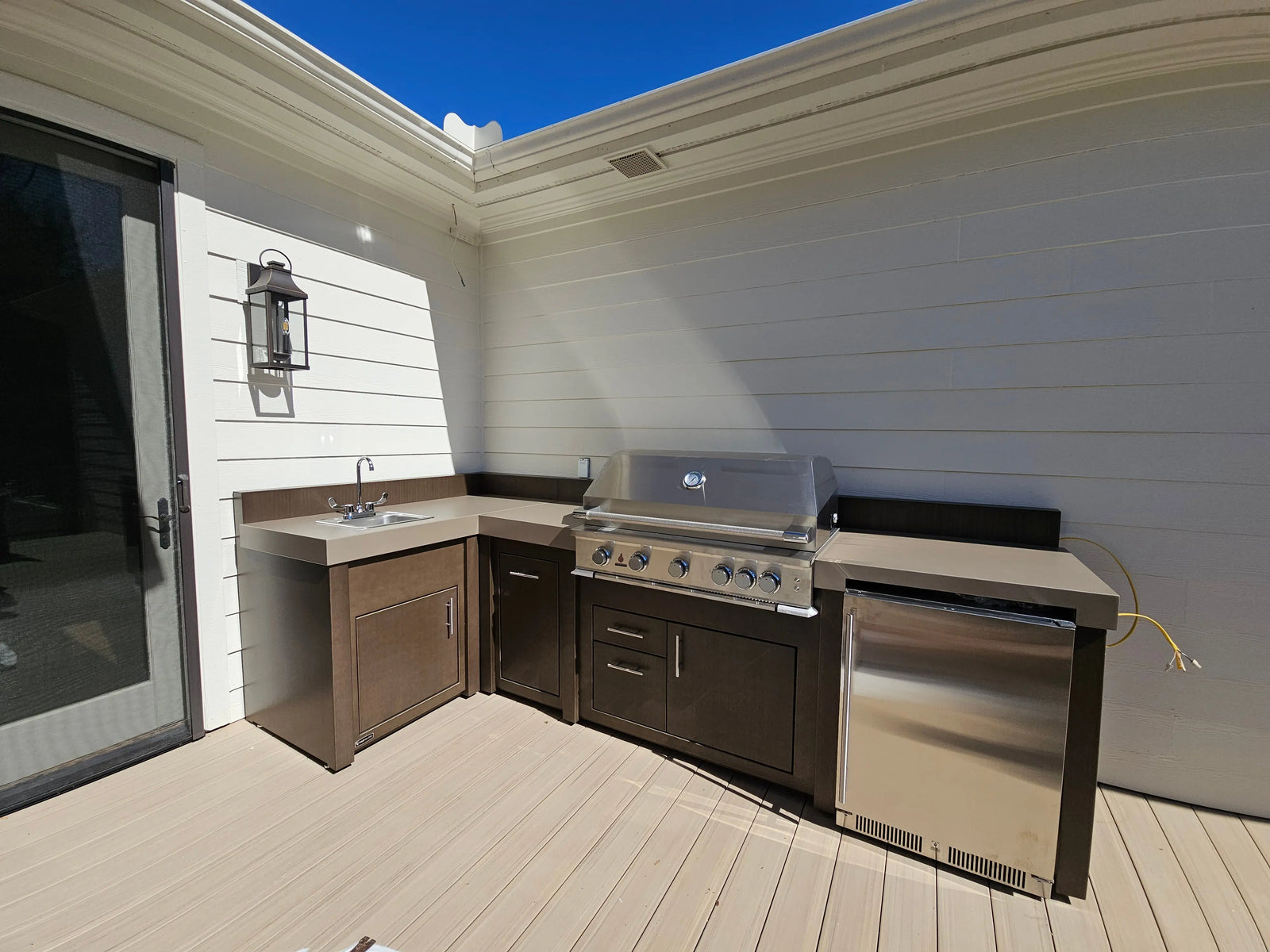
Your kitchen island shape decides where everything fits:
| Island Type | Best Zone Arrangement | Ideal Space |
|---|---|---|
| Straight run | Prep → Cook → Serve in sequence | 6–12 feet |
| L-shape | Hot zone on one leg, cold/wet on the other | 12–16 feet |
| U-shape | Grill centered, prep and cleanup flanking | 16+ feet |
| Galley | Cooking on one side, prep/serving opposite | Long, narrow yards |
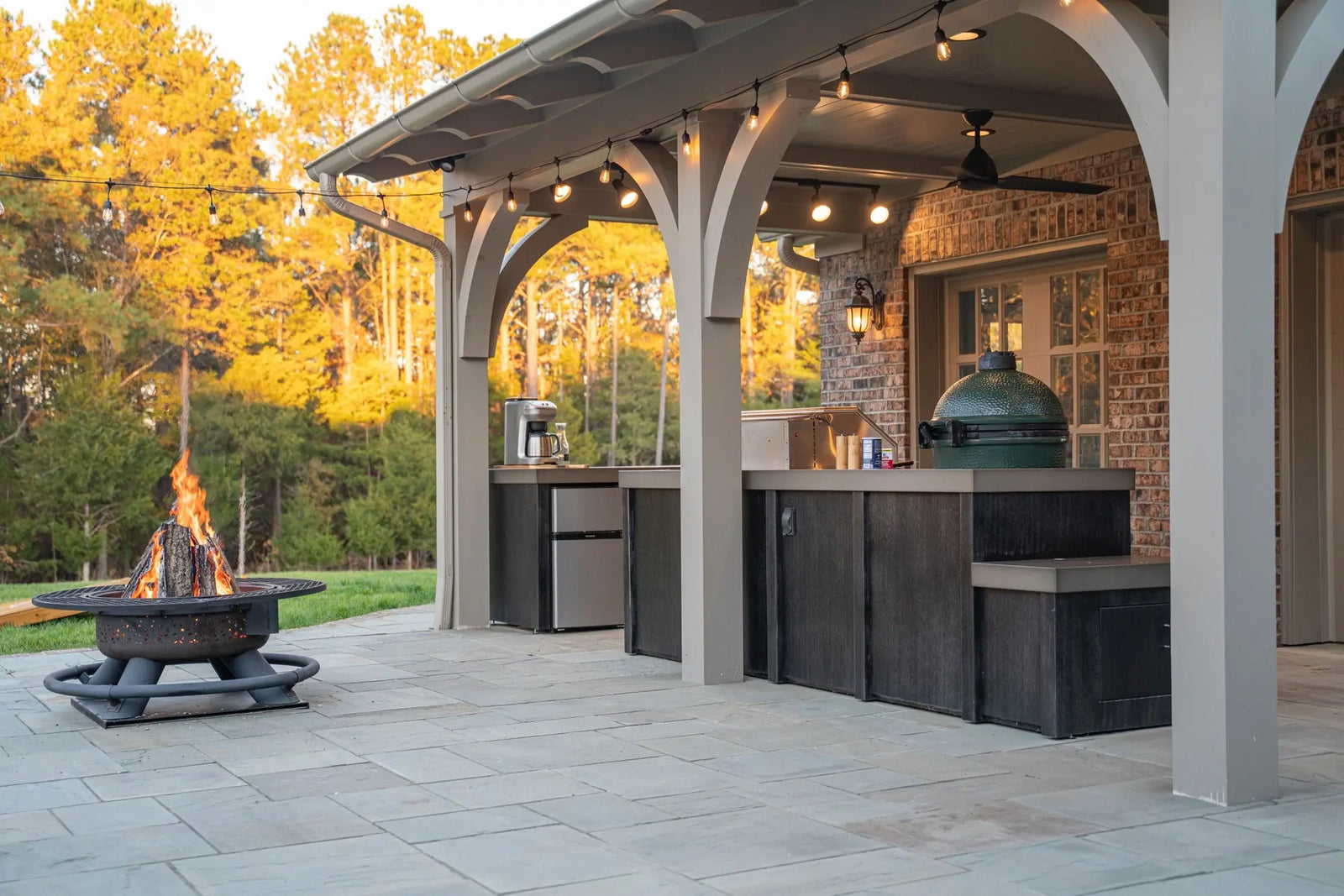
A straight-run island (8–12 feet) works best with a left-to-right flow: prep on one end, grill in the middle, serving space at the other end. This is great for narrow patios or spots under an awning.
An L-shaped kitchen naturally separates hot and cold zones. Put your grill and burner on one leg, then your sink and fridge on the other. The corner is perfect for prepping, and you'll have a good view of your guests.
A U-shaped kitchen gives you the most space and lets you set up clear stations. Grill in the middle, prep on one side, cleanup on the other. Add a bar return for serving and dining so guests aren't right in the heat zone.
Put task lighting right over your grill and prep zones. Add softer lighting around dining and serving areas for a cozy evening vibe. The right lighting separates zones visually while keeping everything functional after dark.
You'll need at least 42 inches between your kitchen island and any wall, seating, or obstacle. That's enough for one person to work comfortably. If two people cook together, bump it up to 48 inches.
Keep your main path away from the grill's heat, especially under a pergola where hot air lingers. Keep your three main work points — grill, sink, and fridge — within 4–9 feet of each other to cut down on steps. Don't put the fridge right next to the grill unless you've got a buffer cabinet or some insulation.
Even tiny patios can fit functional zones if you focus on what you really need. Try starting with:
Stick with weather-resistant materials so you don't have to fuss with upkeep. Combine zones whenever you can — one long counter can do double duty as both prep and serving space. Keep raw food at one end and finished dishes at the other. If you add a small sink at the prep end, you don't need a separate wet zone.
Space-saving tricks: Mount fold-down shelves or a flip-up extension to your island for extra workspace. Store cutting boards upright in narrow slots instead of laying them flat — saves space and makes them easier to grab. A compact 24–30 inch grill works fine for most folks and frees up counter space for prep. Skip the side burner and use your indoor stove for side dishes if space is tight.
Think vertical. Hang utensils on a rail along your island or under a pergola post. Toss a few hooks near each zone for towels and tools. When you design an outdoor kitchen for a small yard, keep the dining table away from the cooking island. This way, you avoid crowding and can move furniture around for different group sizes.

As the outdoor living trend continues to thrive, you may be wonder...

How to transform your outdoor space in 5 steps to...