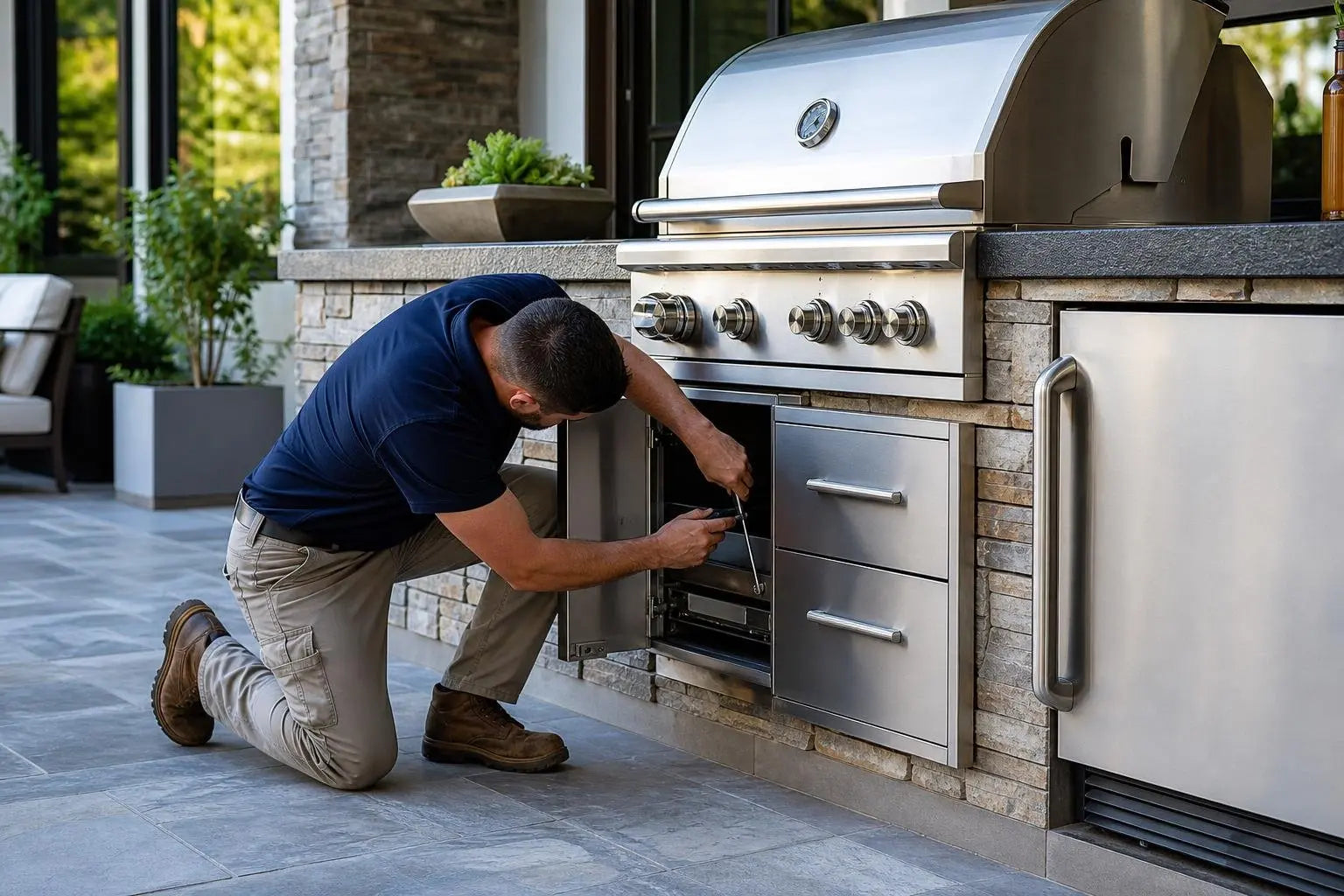
Outdoor kitchens are built for real cooking, real weather, and real backyard living. That also means every grill, cabinet, countertop, sink, outlet, and appliance needs the right care if you want the space to last.
If you are searching for outdoor kitchen repairs, this guide explains what usually breaks, why it happens, when to call a professional, and how to prevent expensive damage before it spreads through the rest of the kitchen.
Outdoor kitchen repairs are different from indoor kitchen repairs because the entire space is exposed to sun, moisture, wind, heat, grease, insects, and temperature changes. Even durable materials can fail early when drainage, ventilation, sealing, or appliance protection is ignored.
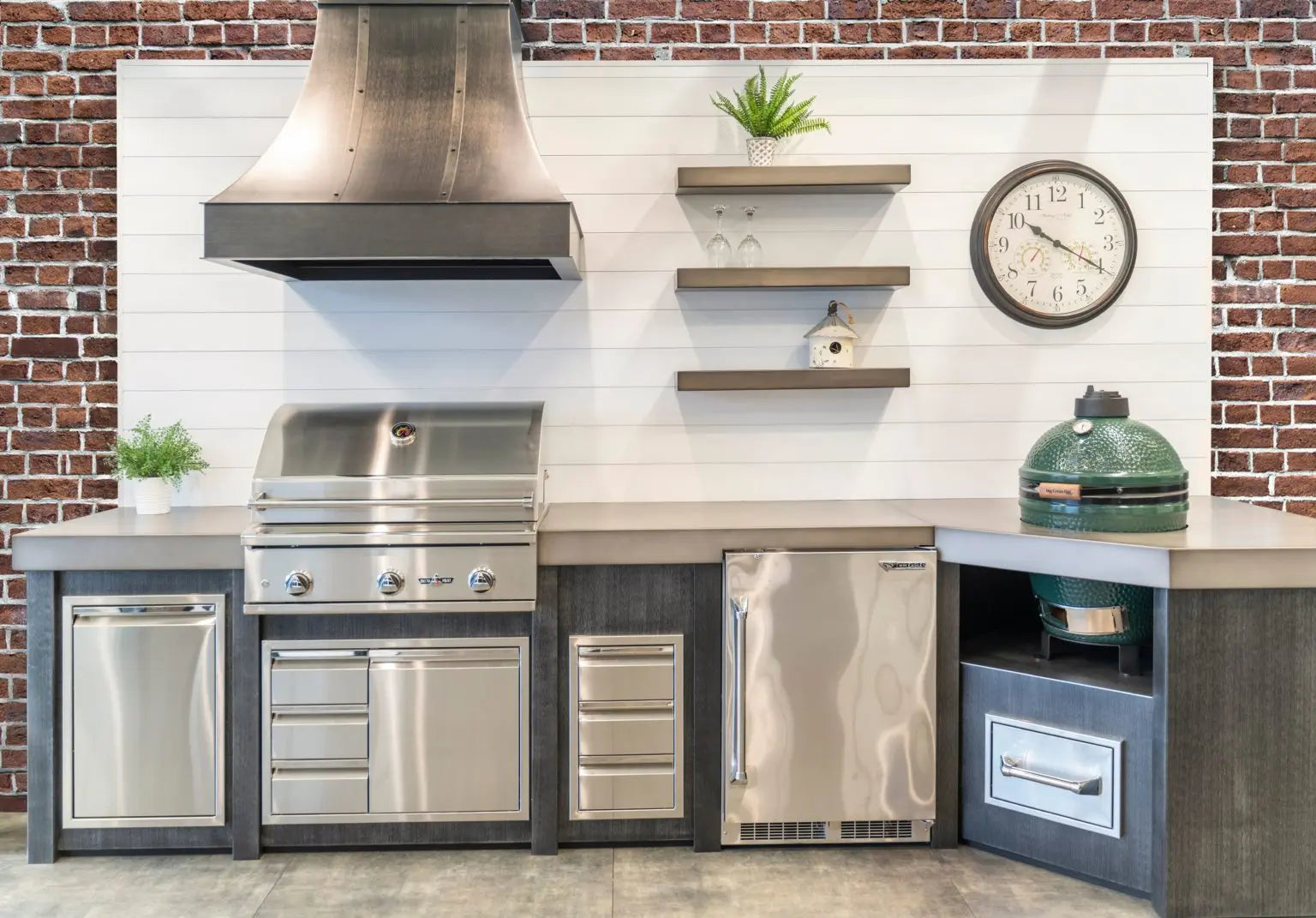
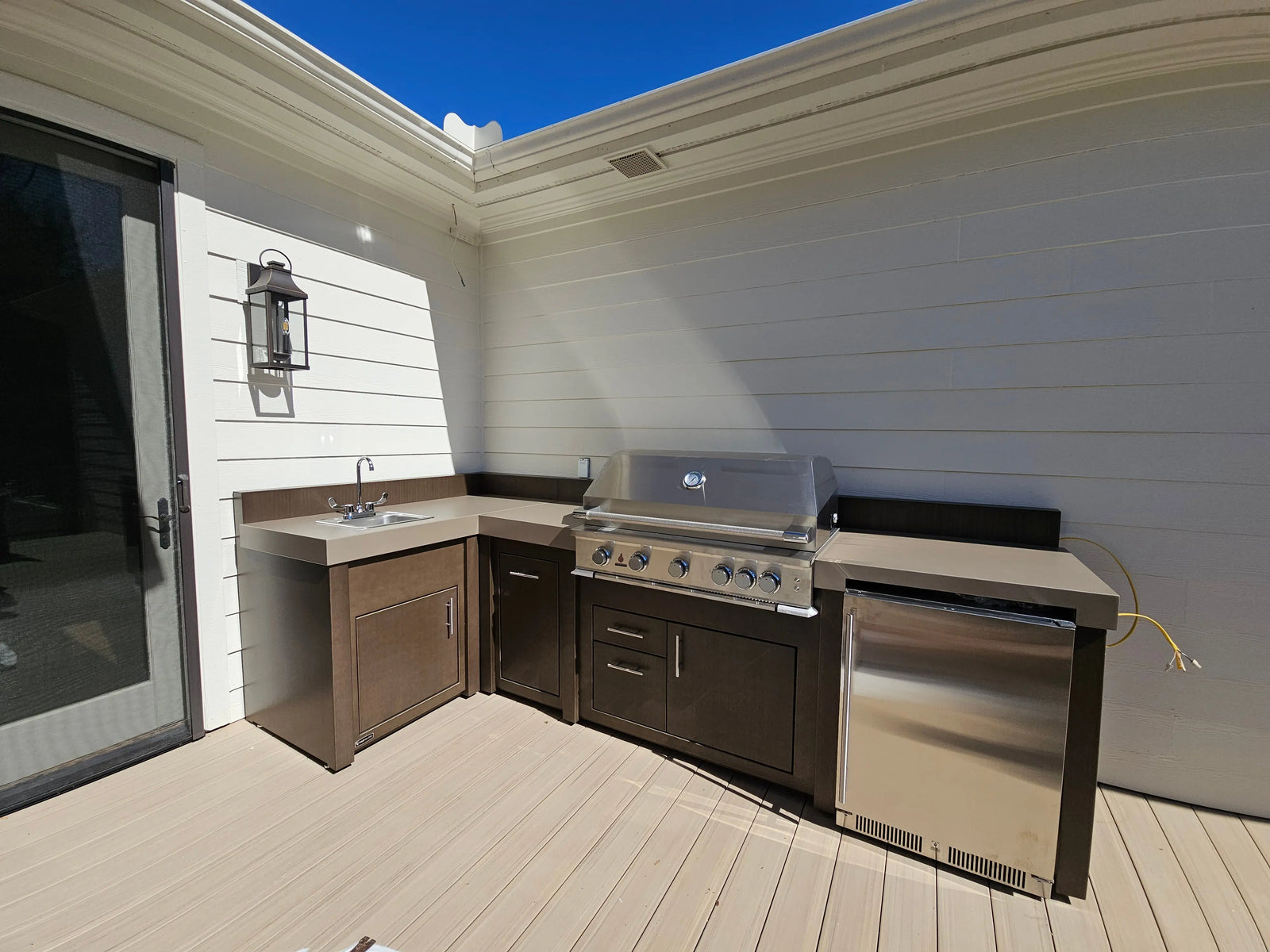
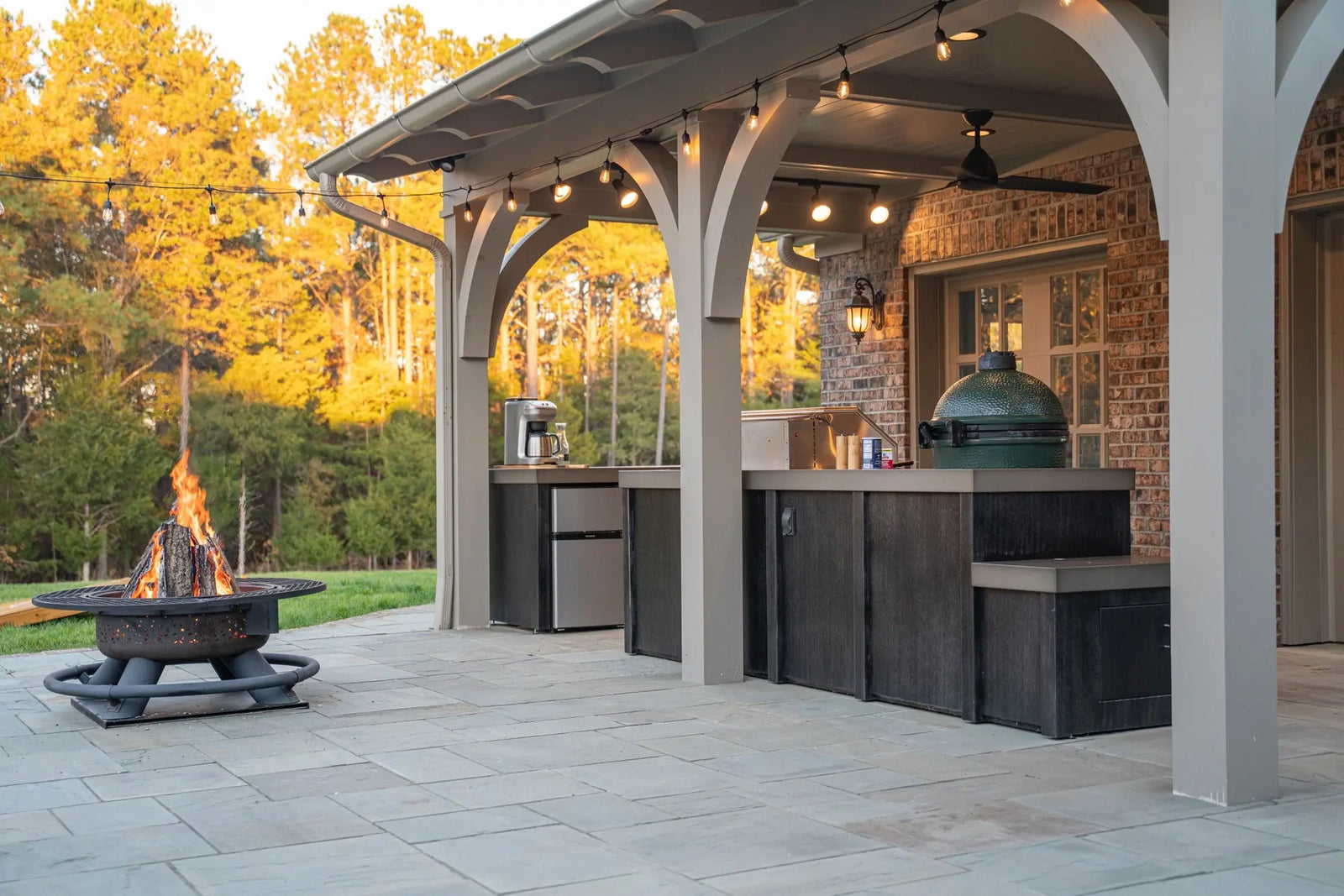
The easiest way to reduce repairs is to plan the kitchen around outdoor conditions from the beginning. If you are still comparing layouts or replacing an older setup, start with BetterPatio’s full outdoor kitchen collection to see how different island styles, grill setups, appliance packages, and finishes are built for exterior use.
Repair mindsetThe goal is not just to fix one broken part. The goal is to understand why it failed. Rust, leaking water, cracked surfaces, and tripped outlets usually point to a deeper exposure, material, or installation issue.

Most repair calls fall into a few predictable categories. The sooner you recognize the pattern, the easier it is to protect the rest of your outdoor kitchen.
| Repair Area | Common Problem | Typical Cause | Best Prevention |
|---|---|---|---|
| Grill & BBQ | Uneven heat, ignition failure, rusted grates, burner issues | Grease buildup, weather exposure, blocked airflow, worn parts | Clean regularly, cover the grill, inspect burners, and replace worn components early. |
| Countertops | Cracks, stains, loose tile, fading, grout damage | Sun, freeze-thaw cycles, grease, poor sealing, impact damage | Choose outdoor-rated materials and seal stone or concrete on schedule. |
| Cabinets & Storage | Warped doors, rusted hinges, mold, sagging shelves | Moisture, humidity, pests, salt air, low-grade materials | Use stainless steel, marine-grade, or weather-resistant storage components. |
| Plumbing | Leaks, cracked pipes, clogged drains, loose fittings | Freezing, poor drainage, aging connections, skipped winterization | Winterize lines, check shutoffs, and inspect under-sink connections seasonally. |
| Electrical | Tripped GFCI outlets, flickering lights, corroded connections | Moisture intrusion, aging fixtures, improper outdoor protection | Use outdoor-rated components and hire licensed professionals for electrical work. |
The grill is the heart of most outdoor kitchens, so it usually sees the most wear. It handles flame, grease, smoke, moisture, heat cycles, and frequent use. Common grill repair signs include uneven flames, clicking igniters that do not light, burners that run cool, rusted grates, grease fires, or gas odors near the appliance.
Start with basic cleaning and inspection. Grease buildup can block airflow, weaken burner performance, and make flare-ups more common. If the grill still struggles after cleaning, you may need new burners, igniter parts, regulator service, or a full appliance upgrade.
If you are comparing replacement options instead of repairing an aging grill, read BetterPatio’s guide to the best built-in grills for outdoor kitchens. It is a smart next step when the grill has become the repeated failure point in the entire setup.
Safety noteIf you smell gas, see damaged gas lines, or suspect a regulator problem, stop using the appliance and contact a qualified professional. Gas repairs are not a good place to guess.
Outdoor countertops take constant abuse from sunlight, food spills, hot pans, grease, rain, and seasonal temperature changes. Stone, concrete, tile, porcelain, and stainless steel all behave differently outdoors, so the repair approach depends on the material.
Small stains and surface marks may be manageable with cleaning and resealing. Deep cracks, unstable slabs, loose tile sections, or water penetration should be assessed before the damage spreads into the base structure.
For future upgrades, BetterPatio’s guide to outdoor kitchen countertop materials can help you compare granite, concrete, porcelain, tile, stainless steel, and other exterior-ready surfaces.
Outdoor cabinets protect cooking tools, propane access, serving pieces, cleaning supplies, and trash storage. When the cabinets fail, the entire kitchen starts to feel messy, unsafe, and harder to use.
Common cabinet repairs include swollen doors, rusted hinges, stuck drawers, mold inside compartments, sagging shelves, and warped frames. Wood is especially vulnerable unless it is built and finished for exterior use. Metal can also fail if it is not corrosion-resistant or if the finish gets damaged.
For outdoor kitchens, stainless steel storage is often the better long-term choice. BetterPatio’s Blaze access door and drawer combo is a useful example of how outdoor storage can combine access, drawer function, and weather-resistant construction in one island component.
Look for rust, looseness, stripped screws, or doors that no longer close cleanly. Hardware problems are easier to fix before cabinet alignment fails.
Mold, standing water, and damp odors usually mean water is entering the cabinet or drainage is not working correctly.
If the same doors, drawers, or hinges keep failing, replacing the storage insert may be more practical than repeating small repairs.
Outdoor refrigerators, ice makers, beverage centers, and drawers make entertaining easier, but they need proper ventilation and weather protection. If the appliance is not cooling correctly, the problem may be airflow, electrical supply, dirty coils, or exposure beyond what the appliance is designed to handle.
Do not treat an indoor refrigerator as an outdoor appliance. Outdoor-rated refrigeration is built for exterior temperature swings and protected installation conditions. If your existing refrigerator has repeated cooling or moisture problems, browse BetterPatio’s outdoor refrigeration collection before deciding whether repair or replacement makes more sense.
Outdoor kitchen sinks add convenience, but they also add maintenance. Leaks, loose fittings, cracked pipes, clogged drains, and freeze damage are common repair issues when plumbing is not protected from seasonal conditions.

Water damage can spread quickly into cabinets, framing, flooring, and countertops. Small leaks should be treated as early-warning signs, not minor inconveniences.
Outdoor kitchens often include task lighting, outlets, refrigerator power, ignitions, fans, heaters, entertainment equipment, and landscape lighting. Electrical systems must be protected against water and installed for exterior conditions.
Warning signs include flickering lights, outlets that trip repeatedly, dead appliance circuits, sparks, buzzing, water near outlets, or corrosion around fixtures. These are not cosmetic problems. Outdoor electrical repairs should be handled by a licensed professional because local code, GFCI protection, and weather-rated components matter.
If your outdoor kitchen is part of a larger four-season patio plan, compare BetterPatio’s outdoor heating options while planning electrical capacity and placement.
Most repairs are not random. They usually come from repeated exposure, poor material choices, skipped maintenance, or weak installation details.
| Cause | What It Damages | How To Reduce Risk |
|---|---|---|
| Rain and humidity | Cabinets, drawers, electrical connections, grill parts, and countertops | Use covers, improve drainage, choose weather-resistant materials, and inspect after storms. |
| Sun and UV exposure | Countertops, finishes, furniture, seals, and appliance covers | Use shade, UV-resistant finishes, protective covers, and outdoor-rated furniture. |
| Salt air | Metal cabinets, grill bodies, hinges, handles, and fasteners | Choose corrosion-resistant stainless steel and rinse exposed surfaces regularly. |
| Poor installation | Plumbing, gas lines, cabinets, countertops, electrical components, and appliance openings | Work with qualified installers and confirm utility requirements before construction begins. |
| Skipped maintenance | Nearly every part of the outdoor kitchen | Create a monthly, seasonal, and annual maintenance checklist. |
Some repairs are simple, while others carry real safety risks. The key is knowing where the line is.
| Repair Type | DIY Friendly? | When To Call A Pro |
|---|---|---|
| Cleaning grill grates and grease trays | Usually yes | If cleaning reveals damaged burners, gas leaks, or regulator issues. |
| Replacing loose cabinet hardware | Usually yes | If the cabinet frame is rotted, rusted through, or structurally unstable. |
| Resealing countertops | Sometimes | If the surface has deep cracks, unstable slabs, or loose tile sections. |
| Fixing gas lines | No | Always use a qualified professional for gas line repairs or suspected leaks. |
| Electrical troubleshooting | No | Call a licensed electrician for tripping outlets, sparks, water exposure, or damaged wiring. |
Preventive maintenance is cheaper than emergency repair. Build a rhythm around monthly cleaning, seasonal inspections, and annual material care.
Remove grease, ash, food debris, and buildup from grates, burners, trays, and nearby surfaces so airflow and heat stay consistent.
Grill covers, appliance covers, and shade structures reduce water exposure, UV fading, dust, and surface corrosion.
Check under sinks, behind access panels, around outlets, and near gas connections before heavy-use seasons begin.
The outdoor kitchen lasts longer when the surrounding furniture, shade, heating, drainage, and traffic flow are planned together.
Protective products are especially helpful for grill-heavy kitchens. BetterPatio’s Blaze grill cover collection is a practical internal destination for homeowners who want to reduce UV, moisture, dust, and weather exposure between uses.
Repairing one part makes sense when the rest of the kitchen is sound. Replacement becomes more attractive when multiple major systems are failing at the same time.
If replacement is starting to look more practical than repeated repairs, compare prebuilt BBQ islands for a faster upgrade path or modular outdoor kitchens for a flexible rebuild.

Some problems should not wait. Stop using the affected area and schedule service if you notice any of these warning signs:
Planning shortcutIf you are repairing more than two major areas at once, it may be time to rethink the layout, materials, and appliance package rather than patching the same old design.
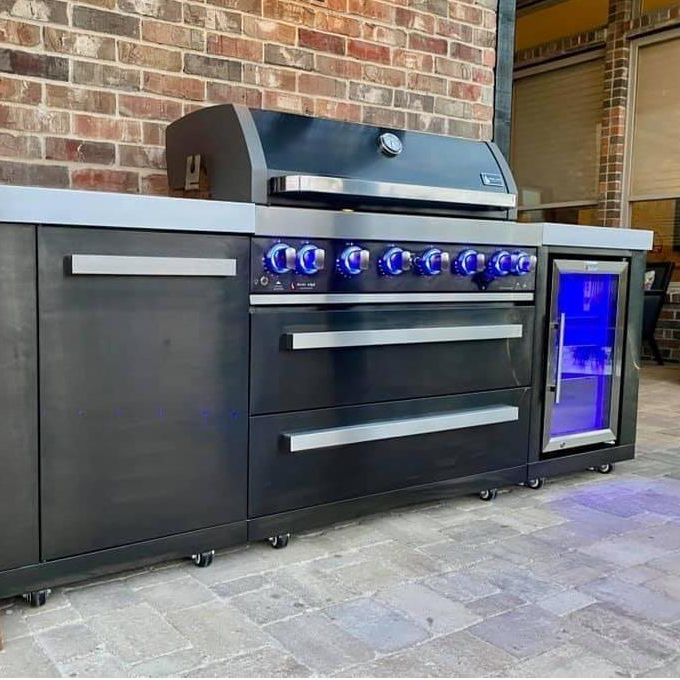
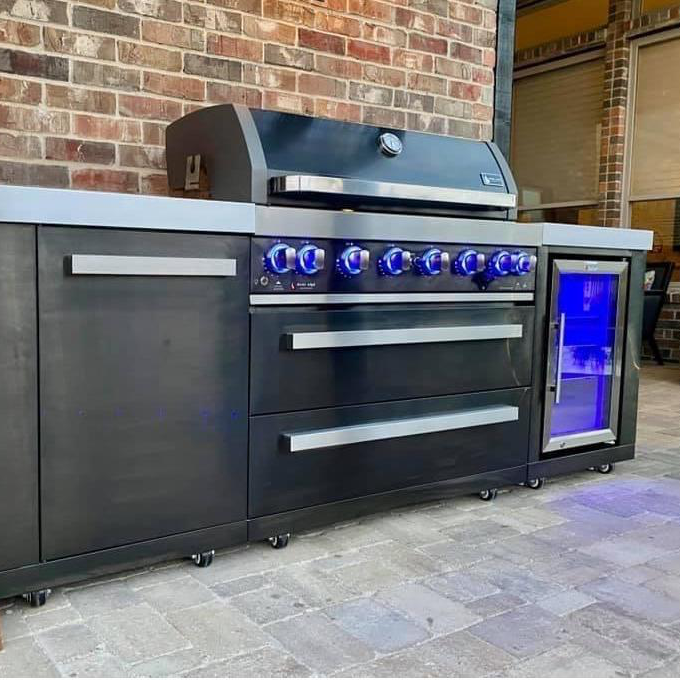
Use these BetterPatio options as inspiration for reducing future outdoor kitchen repairs, from replacement islands to protective covers, storage inserts, and weather-conscious patio planning.
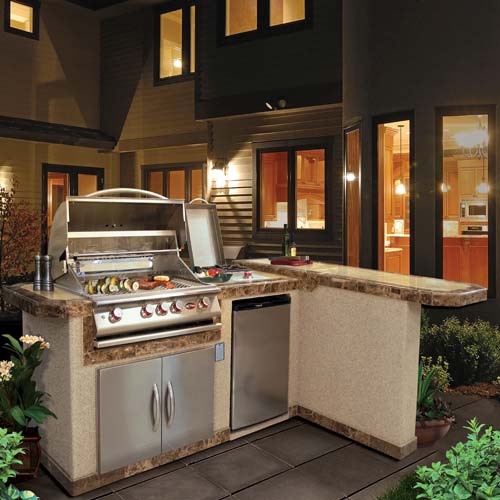
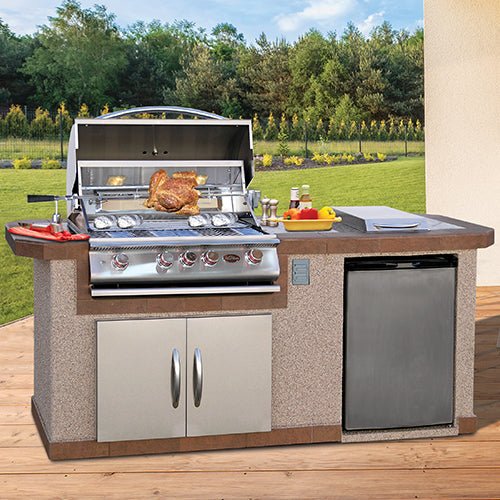
A compact replacement path when an older grill area has repeated cabinet, storage, or appliance issues.
A protective layer that helps reduce moisture, dust, UV exposure, and surface wear between grilling sessions.
A storage upgrade to replace weak access panels and improve the function of an outdoor kitchen island.
A practical collection to compare if your current grill island needs more than simple repairs.
Many repair problems get worse because the first fix only treats the surface. Avoid these mistakes when restoring your outdoor kitchen.
For a broader planning checklist, read BetterPatio’s guide to outdoor kitchen design mistakes. Many future repairs begin as preventable layout or material decisions.
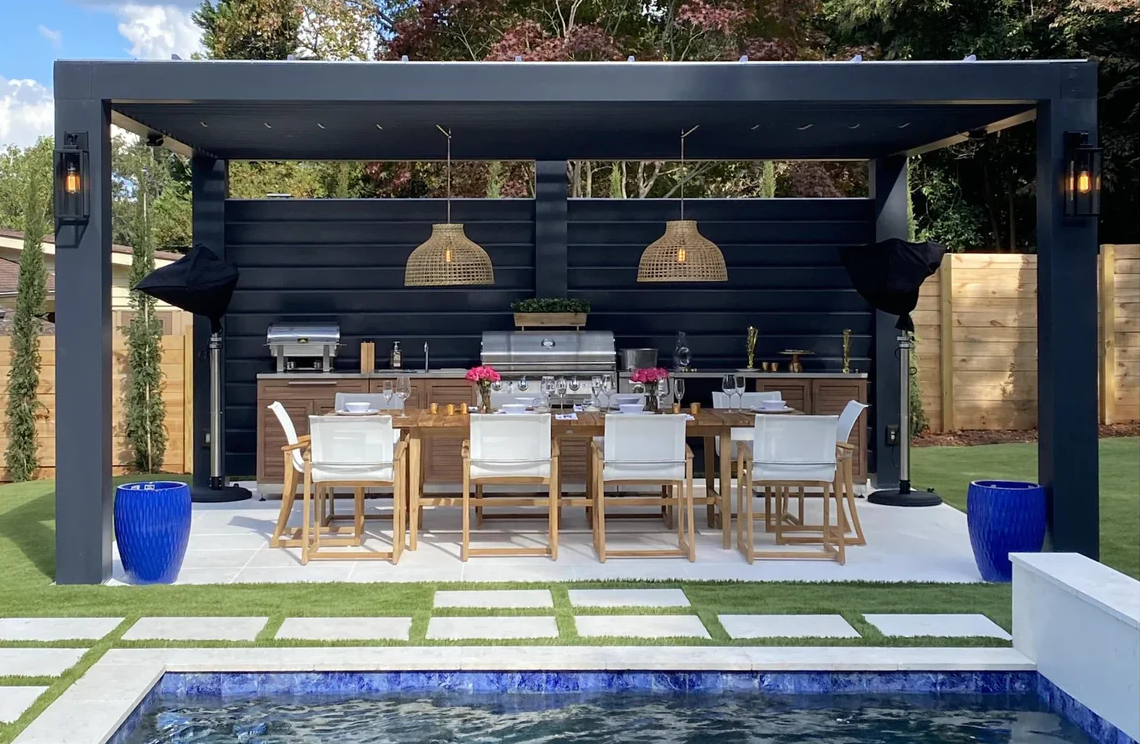
An outdoor kitchen does not exist alone. Furniture placement, shade, drainage, heating, delivery access, and the surrounding patio design all affect how well the kitchen ages.
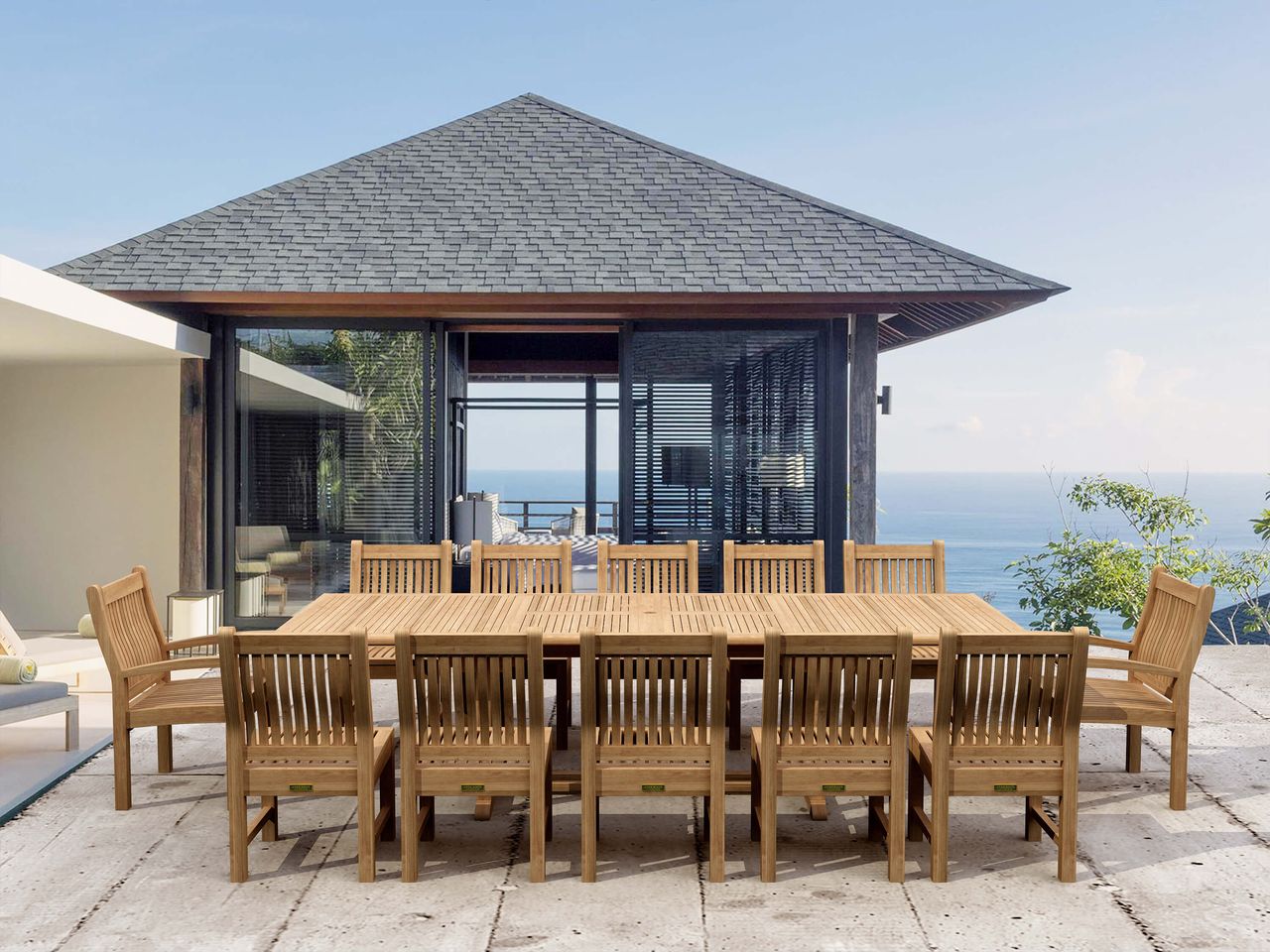
If you are refreshing the full backyard while repairing the kitchen, BetterPatio’s outdoor living packages can help you think beyond one appliance or cabinet repair. For a more tailored seating area, explore custom outdoor furniture that fits the shape and use of your patio.
Maintain an outdoor kitchen by cleaning grill grates and burners, wiping counters, checking storage areas for moisture, inspecting gas and water connections, covering appliances, and sealing outdoor-rated surfaces as recommended. Monthly cleaning and seasonal inspections can prevent many outdoor kitchen repairs.
A well-built outdoor kitchen can last many years when the materials, installation, climate protection, and maintenance routine are strong. Stainless steel components, sealed countertops, proper drainage, and weather-rated appliances usually perform better than materials not designed for exterior use.
Common mistakes include using indoor appliances outside, forgetting ventilation, building with poor drainage, choosing low-quality cabinets, skipping countertop sealing, and ignoring utility access. These mistakes often lead to expensive repairs later.
You can usually handle cleaning, simple hardware tightening, replacing grill grates, and basic resealing if you follow manufacturer instructions. Gas line repairs, major electrical issues, plumbing replacement, and structural countertop damage should be handled by qualified professionals.
Replacement may make more sense when multiple systems are failing at once, such as rotten cabinets, repeated appliance problems, outdated utilities, and damaged countertops. If repair costs keep stacking up, a new island or modular system may be the smarter long-term investment.
Outdoor kitchen repairs are a normal part of owning an exterior cooking space, but many problems can be prevented with better materials, better protection, and a simple maintenance routine. Clean the grill, inspect storage and utility areas, seal surfaces, protect appliances, and address small issues before they become expensive failures.
If repair costs are starting to approach replacement costs, use the project as a chance to improve the layout, upgrade appliances, strengthen storage, and create a more durable backyard cooking space.

As the outdoor living trend continues to thrive, you may be wonder...

How to transform your outdoor space in 5 steps to...