An outdoor kitchen sink makes backyard cooking, prep, and cleanup much easier.
But a sink only works well when the plumbing is planned correctly. Water needs to flow in safely, drain out properly, and survive outdoor weather without leaks, odors, clogs, or freeze damage.
Outdoor kitchen sinks plumbing is the system that brings clean water to your sink and carries wastewater away. It works like indoor plumbing, but it has to deal with rain, sun, heat, freezing temperatures, humidity, insects, and wind-blown debris.
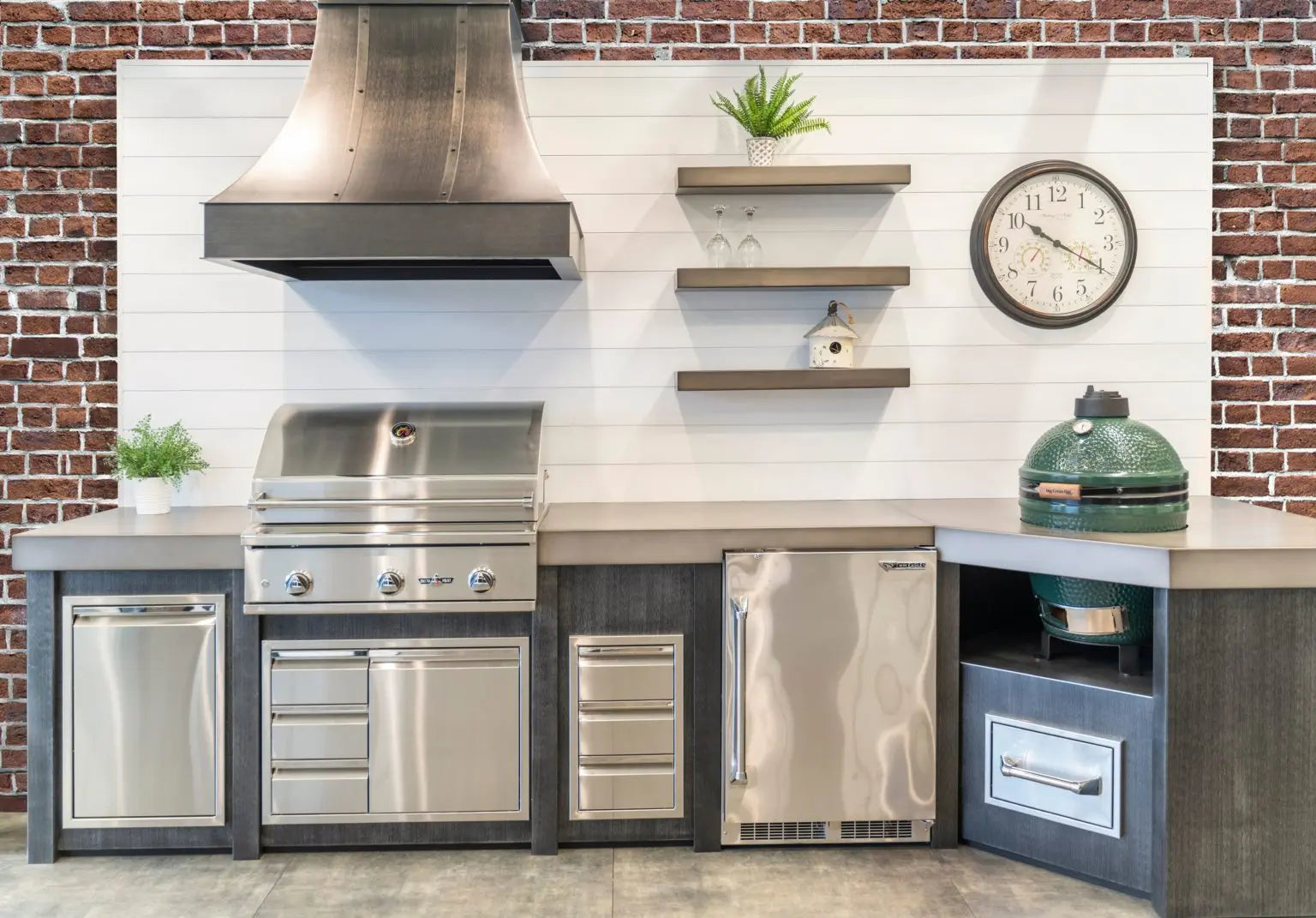
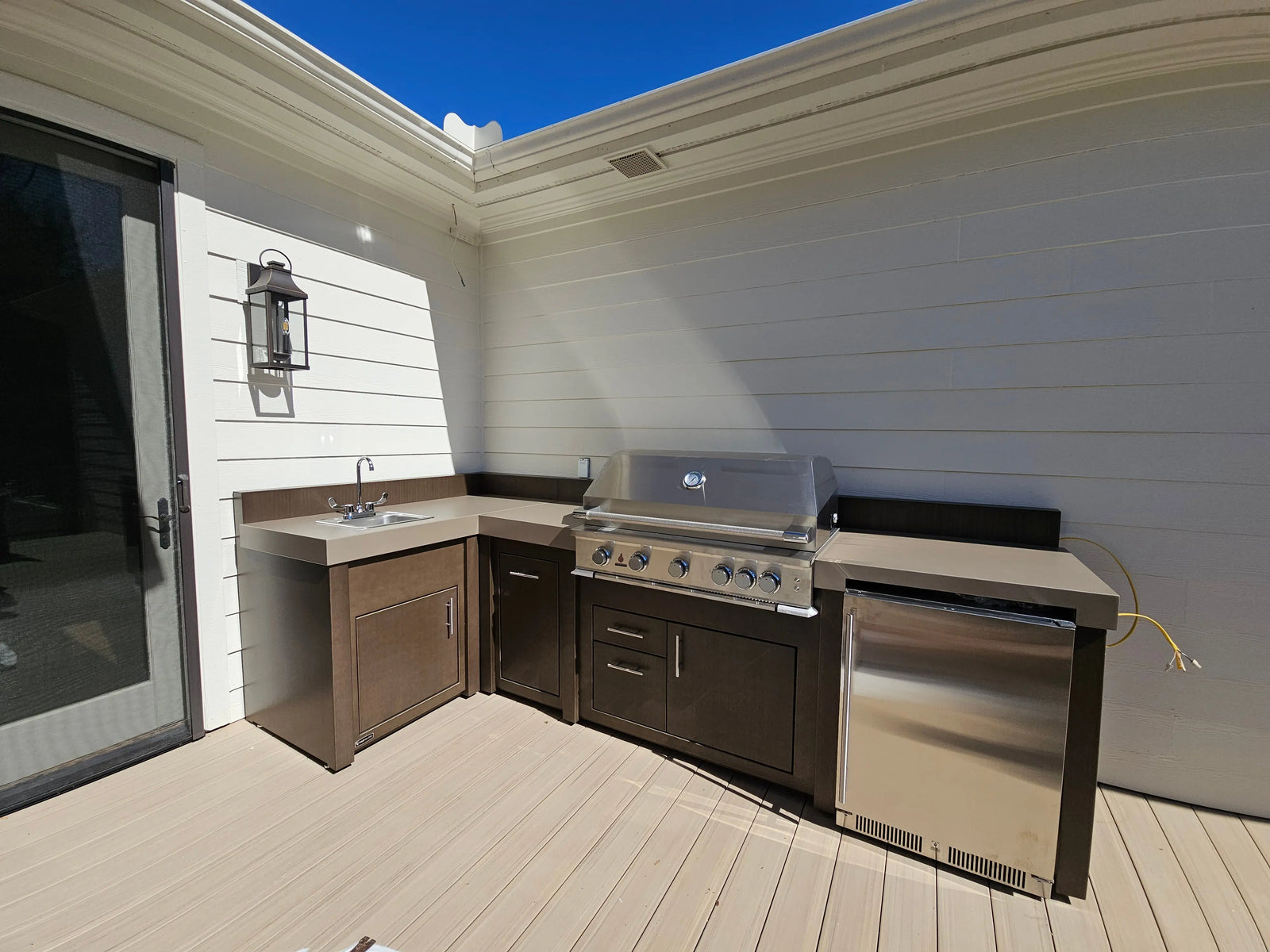
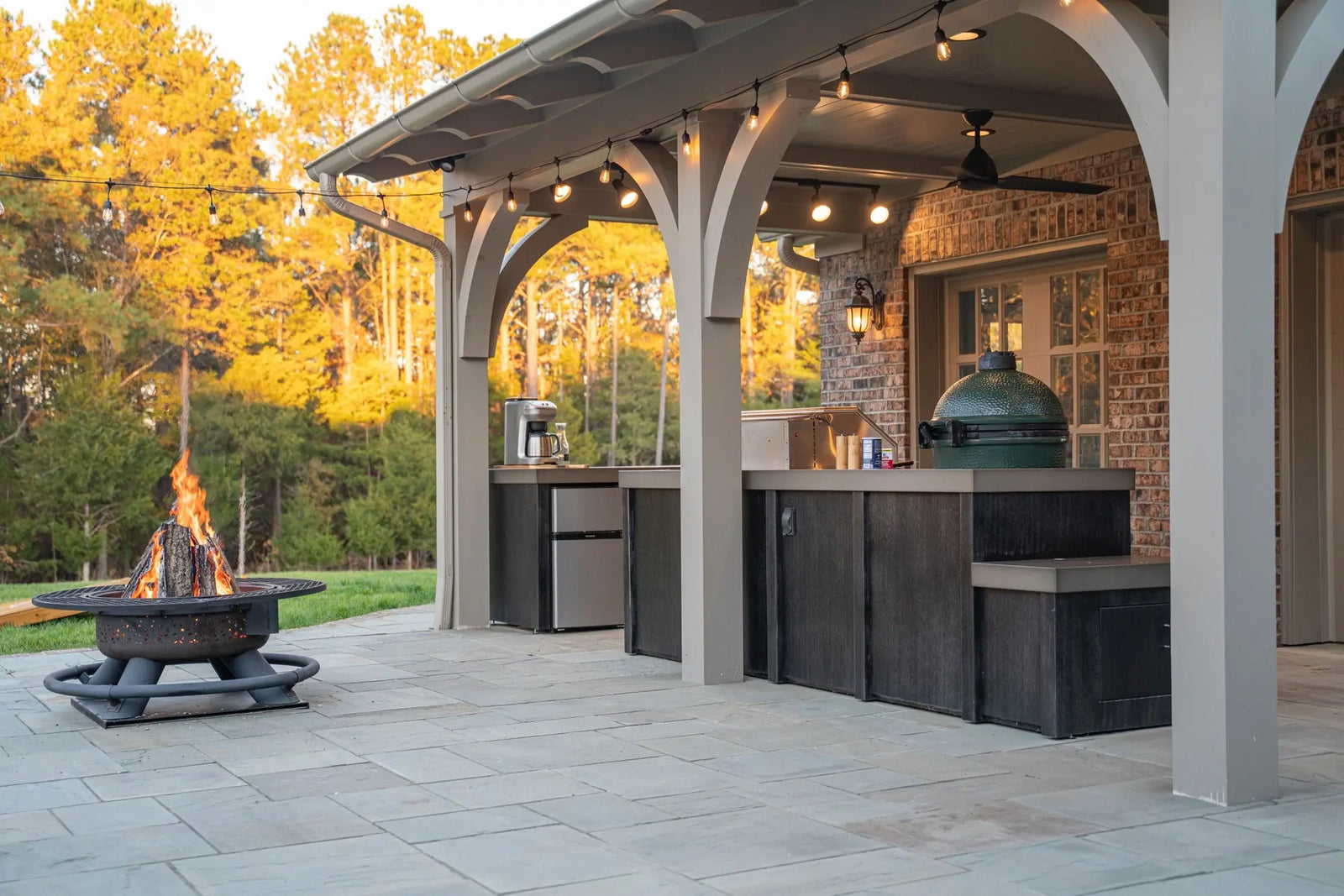
A sink can make your entire outdoor kitchen more practical. You can rinse vegetables, wash hands, clean grilling tools, fill pots, and handle spills without walking back inside. If you are still planning the full cooking area, browse BetterPatio’s outdoor kitchen collection to understand how sinks, grills, storage, and prep surfaces fit together.
Planning tipDo not treat the sink as an afterthought. BetterPatio’s custom planning guide recommends mapping utilities early, including gas, water, drainage, and electrical access, before concrete or permanent surfaces are finalized. Learn the full process in How to Plan a Custom Outdoor Kitchen.

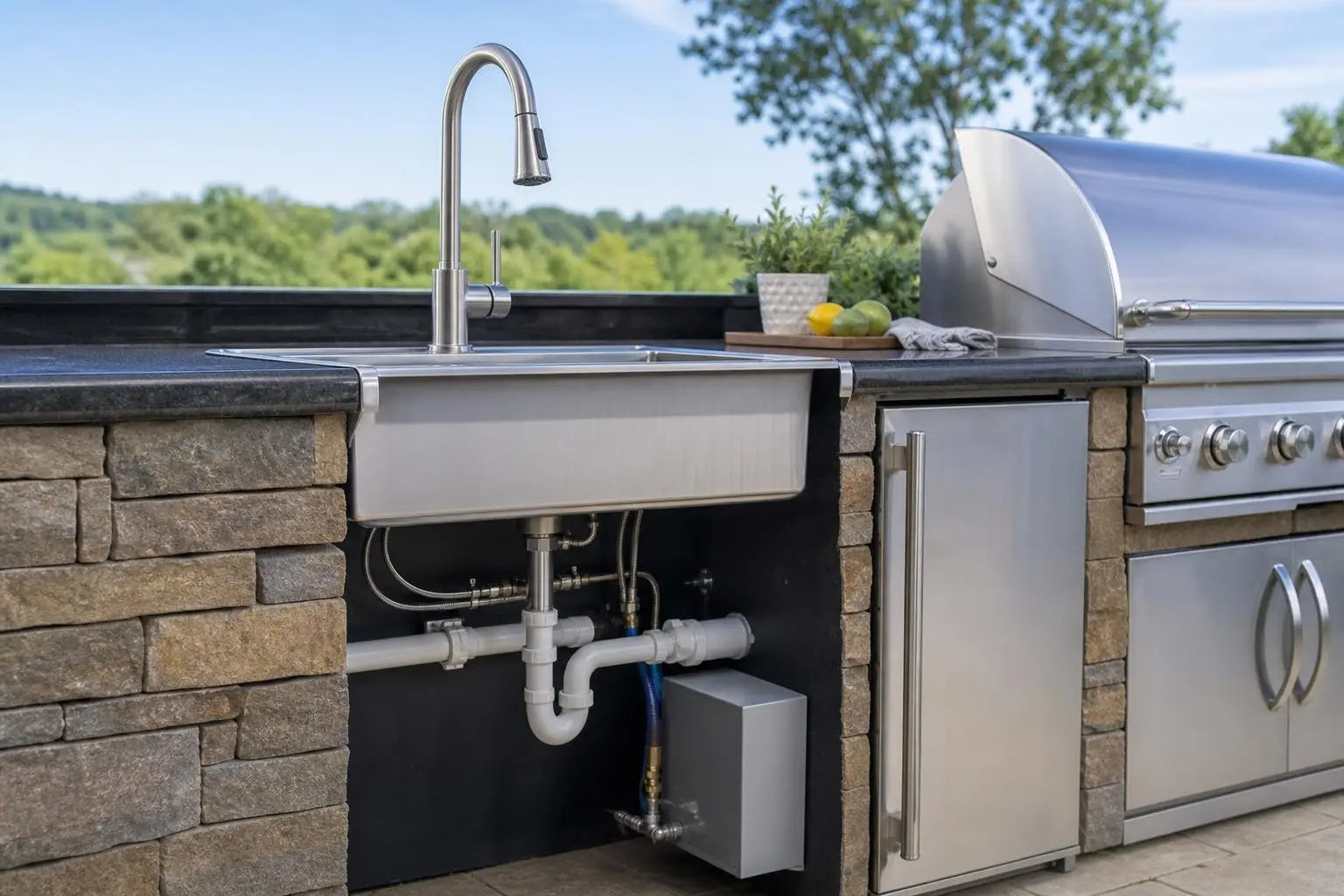
A complete outdoor kitchen sink setup has more than a faucet and basin. Each part supports safe water flow, drainage, maintenance access, and weather protection.
| Component | Purpose | Planning Note |
|---|---|---|
| Cold water line | Brings fresh water to the sink. | Required for most permanent sink setups. |
| Hot water line | Adds comfort for cleaning grease and dishes. | Optional but useful for frequent cooking. |
| Shut off valves | Let you isolate the sink for repairs or winterizing. | Place them where they are easy to access. |
| Outdoor faucet | Controls water flow at the sink. | Choose stainless steel or brass for durability. |
| Drain line | Carries wastewater away from the sink. | Needs correct slope to prevent clogs. |
| P trap | Blocks sewer gases from coming back up. | Usually required when tied into sewer or septic. |
| Vent | Keeps drainage flowing smoothly. | Local code determines venting requirements. |
The water supply is the starting point of outdoor kitchen sinks plumbing. If the water line is undersized, poorly routed, or exposed to freezing temperatures, the sink will be frustrating to use and expensive to repair.
Most permanent outdoor kitchen sinks connect to the home’s existing plumbing system. A plumber usually taps into a nearby cold water line and may add a hot water line if you want easier cleanup after cooking.
A cold water sink can work for basic rinsing and handwashing. Hot and cold water is better if you plan to wash greasy tools, clean pans, rinse plates, or use the outdoor kitchen often.
| Setup | Best For | Pros | Limitations |
|---|---|---|---|
| Cold water only | Simple outdoor kitchens | Lower cost, easier installation | Less effective for grease cleanup |
| Hot and cold water | Frequent cooking and entertaining | Better cleaning and comfort | More plumbing work and higher cost |
| Portable water tank | Temporary or rental setups | No permanent plumbing required | Limited capacity and manual refilling |
Design shortcutIf your outdoor kitchen includes a sink, refrigerator, grill, and storage, a designer can help place each component around utilities and workflow. Start with BetterPatio’s Design Your Outdoor Kitchen page before finalizing your layout.
Drainage is just as important as water supply. A sink that drains poorly can create bad odors, standing water, clogs, pests, and moisture damage inside cabinets.
Outdoor kitchen sink drains may connect to the home’s sewer line, tie into a septic system, or discharge into an approved dry well where local codes allow it. Rules for outdoor sink wastewater vary by city, county, and state, so check local requirements before installation.
| Drainage Method | How It Works | Best For | Code Note |
|---|---|---|---|
| Main sewer connection | Wastewater drains into the home’s sewer system. | Permanent outdoor kitchens | Often requires permits and a licensed plumber. |
| Septic connection | Wastewater enters the septic system. | Homes without municipal sewer | Must comply with septic capacity and local rules. |
| Dry well | Water disperses into an underground gravel-filled pit. | Limited graywater use where allowed | Not permitted everywhere, especially with food waste. |
| Portable graywater tank | Wastewater collects in a removable container. | Temporary sinks | Must be emptied responsibly. |
Gravity keeps most sink drains moving. A common rule of thumb is to slope the drain pipe about one quarter inch per foot so wastewater moves steadily without leaving solids behind.
The P trap sits below the sink and holds a small amount of water. That water barrier helps stop sewer gases from coming back into the outdoor kitchen. If the trap is missing, installed incorrectly, or allowed to dry out, odors can become a problem.
The drain route affects where the sink can go. Plan the drain path before ordering islands, cabinets, countertops, or cutouts.
Avoid flat or reverse-sloped sections. Even a small low spot can collect grease, debris, and stagnant water.
A P trap is usually required for sewer-connected sinks. Venting requirements depend on local plumbing code and the drainage method.

Outdoor fixtures should be stronger than indoor fixtures because they face moisture, temperature changes, UV exposure, and corrosion. Stainless steel and brass are the most reliable choices for outdoor kitchen sink faucets and basins.
| Material | Durability | Rust Resistance | Best For |
|---|---|---|---|
| Stainless steel | High | Excellent | Most outdoor kitchens |
| Brass | High | Very good | Long-term faucet durability |
| Chrome plated | Moderate | Good when maintained | Budget-conscious installs |
| Indoor plastic fixtures | Low | Varies | Avoid for permanent outdoor kitchens |
For a flexible setup that combines storage, refrigeration, and utility planning, you can also review BetterPatio’s modular outdoor kitchen components. Modular pieces are useful when you want to add sink or beverage-center functionality without redesigning the entire kitchen footprint.
Use these product ideas as inspiration for outdoor kitchen sinks plumbing, prep zones, and cleanup stations. Each option adds sink functionality in a different way, from compact drop-in basins to full beverage-center setups.

A 304 stainless steel sink and pull-down faucet option for a clean built-in outdoor kitchen setup.

A compact drop-in sink with hot and cold faucet support for prep and cleaning zones.
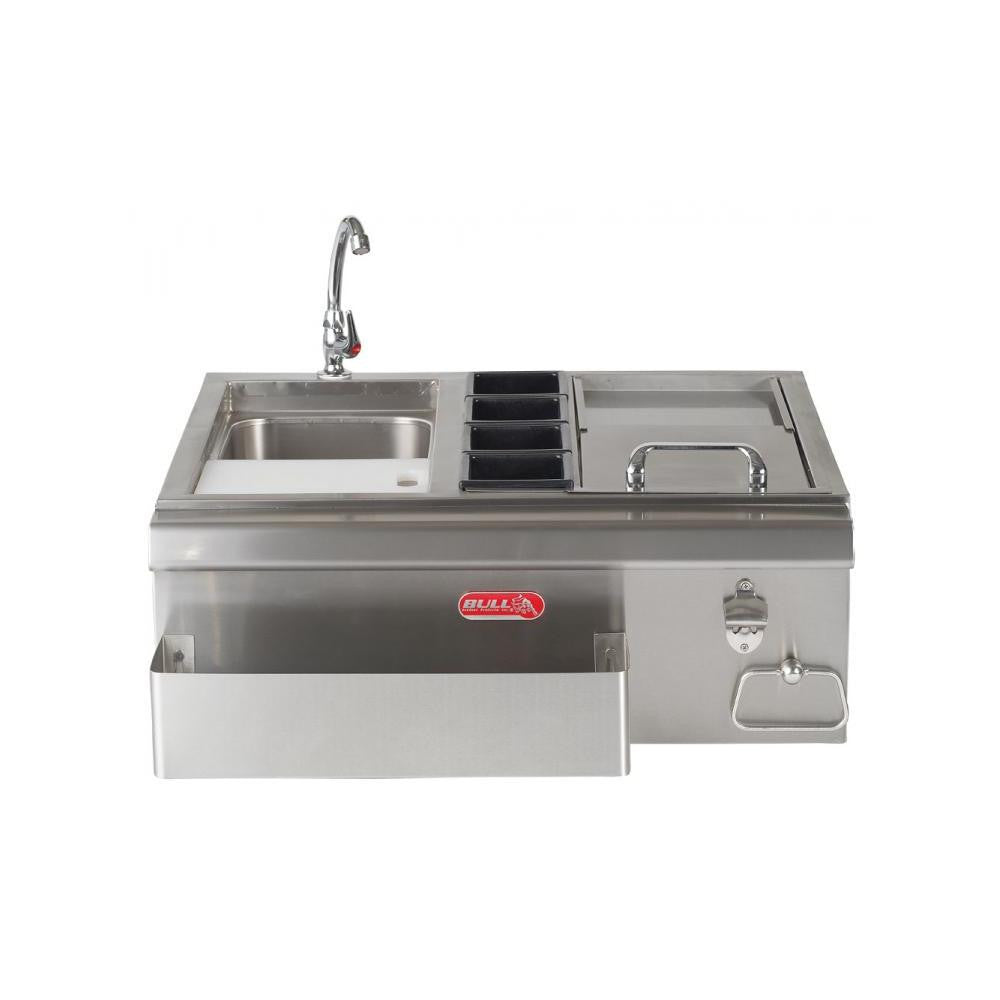
A larger stainless steel prep and bar station with faucet, cutting board, ice chest, and storage features.

A complete stainless steel outdoor kitchen island with a sink, beverage center, and refrigeration built in.
Cold weather is one of the biggest risks for outdoor kitchen sinks plumbing. When water freezes inside pipes, it expands. That pressure can crack fittings, burst pipes, damage faucets, and create hidden leaks.
Cold-climate reminderWinterizing is not only about the sink. If your outdoor kitchen also includes refrigerators, ice makers, or powered appliances, plan electrical access and utility shutoffs together. BetterPatio’s outdoor refrigeration collection can help you compare outdoor-rated cooling options when designing the full utility zone.
Sink placement affects workflow, utility cost, and maintenance. The closer the sink is to existing water and drainage access, the easier the plumbing usually becomes. But convenience also matters while cooking.
If you are deciding between straight, L-shaped, U-shaped, and island layouts, compare the space requirements in BetterPatio’s outdoor kitchen layout ideas guide. Layout choice can determine whether the sink belongs beside the grill, on a return leg, or in a separate prep zone.
Simple temporary sink setups may be manageable for experienced DIY homeowners. Permanent sinks tied into sewer, septic, hot water, or underground water lines usually require a licensed plumber and local permits.
Start with workflow and utility access. The best location balances convenience, drainage, and easy service access.
Outdoor plumbing rules vary. Confirm drainage, graywater, venting, and backflow requirements before work begins.
Install properly sized lines with shut off valves, insulation, and frost protection where needed.
Set the correct slope, install the P trap, and confirm venting if the drain connects to sewer or septic.
Run water, check pressure, inspect every fitting, and look for leaks before closing cabinets or finishing countertops.
Even a well-installed sink needs routine inspection. Outdoor plumbing is exposed to more weather and debris than indoor plumbing, so small issues can grow quickly if ignored.
| Problem | Likely Cause | Prevention |
|---|---|---|
| Slow drainage | Debris, grease, poor slope, or blocked trap | Use a strainer and keep drain slope correct. |
| Bad odors | Dry P trap, poor venting, or stagnant wastewater | Use the sink periodically and confirm trap installation. |
| Low water pressure | Long pipe run, undersized pipe, or hidden leak | Plan pipe sizing and pressure test before finishing. |
| Frozen pipes | Standing water in exposed lines | Shut off, drain, and insulate before winter. |
| Corroded fittings | Indoor-grade hardware or poor drainage | Choose outdoor rated stainless steel or brass parts. |
Some plumbing problems are really layout problems. BetterPatio’s guide to outdoor kitchen zoning explains how cooking, prep, serving, and dining zones should work together so the sink supports the space instead of interrupting it.
The cost of outdoor kitchen sinks plumbing depends on distance from existing utilities, whether you want hot water, how the sink drains, and how much trenching or hardscape work is required.
Trying to save money by skipping planning can create more expensive repairs later. BetterPatio’s guide to outdoor kitchen design mistakes is useful if you want to avoid utility, spacing, and material errors before installation starts.
The sink area gets wet more often than any other outdoor kitchen zone. Cabinets, counters, frames, fasteners, and hardware around the sink should all be chosen for moisture resistance.
For more detail on countertop options near sink and prep areas, read BetterPatio’s guide to outdoor kitchen countertop materials. If you are comparing the structural body of the kitchen, the stainless steel vs. stucco vs. stone guide can help you choose a frame and finish that suits your climate.
Outdoor kitchen sinks plumbing is worth planning carefully because it affects comfort, cleanup, code compliance, and long-term durability. The best setup includes reliable water supply, accessible shut off valves, a properly sloped drain, a P trap where required, outdoor rated fixtures, and freeze protection if your climate needs it.
If you are building a complete backyard kitchen, plan the sink at the same time as the grill, refrigerator, storage, counters, and seating. For finishing the surrounding living area, BetterPatio’s custom outdoor furniture options can help you coordinate the dining and lounge zones around your new kitchen.
Most permanent outdoor kitchen sinks need plumbing for water supply and drainage. Temporary sinks can use fresh water and graywater tanks, but built-in kitchens usually connect to the home’s plumbing system and must follow local code.
An outdoor sink may drain to the home’s sewer line, a septic system, an approved dry well, or a portable graywater tank. The correct option depends on your local regulations and whether the sink handles food waste, soap, or grease.
Plumbing an outdoor sink usually involves running water supply lines with shut off valves, installing an outdoor rated faucet, connecting a properly sloped drain line, adding a P trap where required, and testing for leaks. Permanent sewer or septic connections should usually be handled by a licensed plumber.
The best outdoor kitchen faucet is made from stainless steel or brass and rated for outdoor exposure. It should resist corrosion, temperature changes, and regular moisture. In cold climates, frost resistant features and winter shut off access are especially important.
Hot water is not always required, but it makes cleanup easier. If you regularly cook outdoors, wash greasy tools, or host guests, a hot and cold water setup is more comfortable than cold water only.
Install indoor shut off valves, drain the outdoor water lines before freezing weather, insulate exposed pipes, disconnect hoses, and use frost proof fixtures where appropriate. Never leave water trapped in outdoor lines during winter.

As the outdoor living trend continues to thrive, you may be wonder...

How to transform your outdoor space in 5 steps to...