Use this outdoor pizza ovens guide to figure out which fuel type, size, and brand actually fit your patio before you buy. Pizza ovens hit 800 to 1,000+ degrees, cooking Neapolitan-style pizza in 60 to 90 seconds.
The catch is that wood, gas, and hybrid models all cook differently, cost differently, and take different amounts of effort. This guide breaks down the real differences, so you can choose with confidence.

A standard kitchen oven maxes out around 500 to 550°F. A real pizza oven hits 800 to 1,000°F+. That heat difference is everything for pizza:

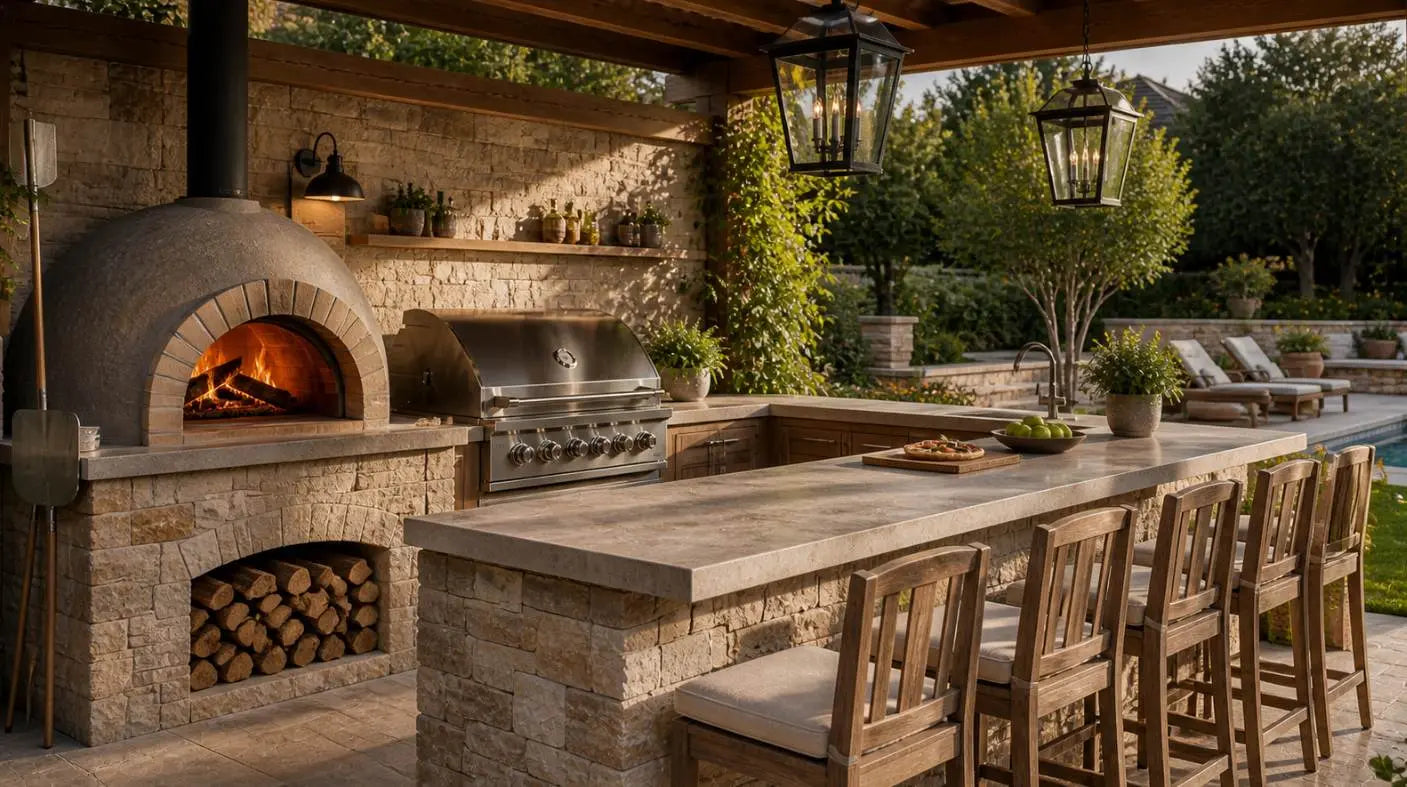
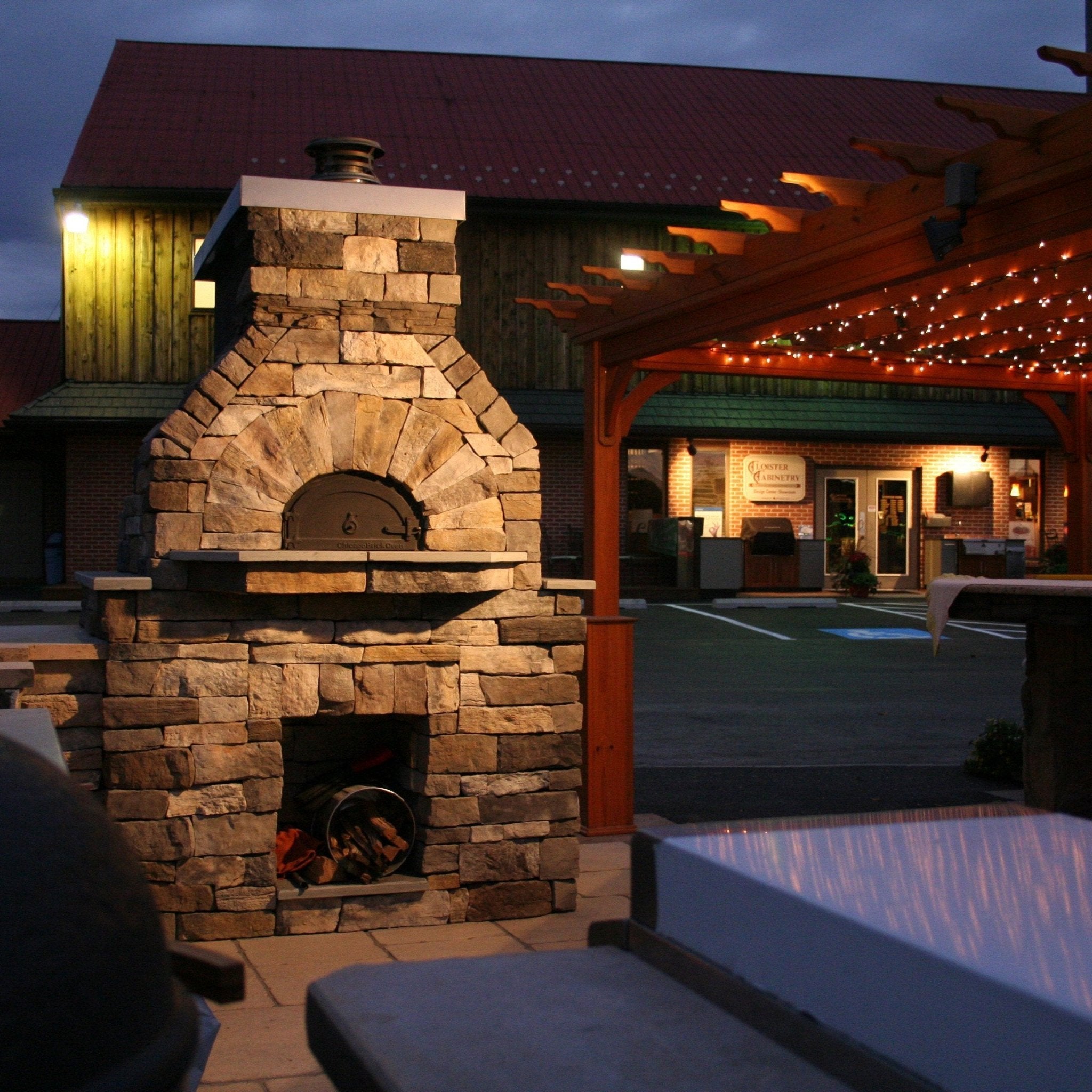
The traditional Neapolitan way. Burn hardwoods like oak or maple inside the chamber.
Best for: Cooks who enjoy the process and want maximum authenticity.
Run on Propane (LP) or Natural Gas (NG). Uses built-in burners to reach heat fast.
Best for: Convenience-focused cooks and tight neighborhoods where smoke is a concern.
Use either wood or gas (sometimes both at once). Switch fuels depending on the day.
Best for: Serious cooks who want total flexibility and high resale value.
Ready to upgrade your patio? Here are our top-rated pizza oven selections designed for maximum heat retention and professional performance.
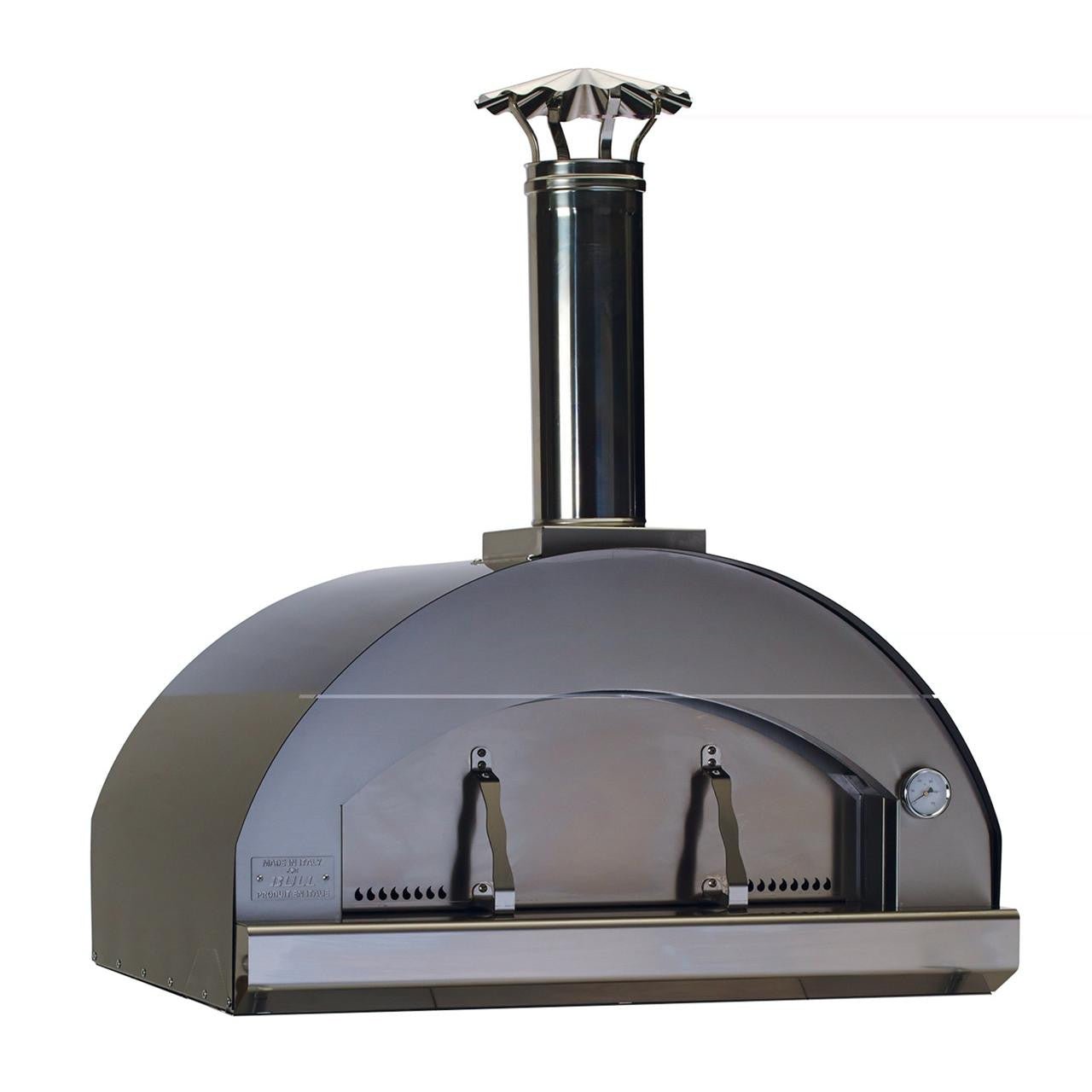
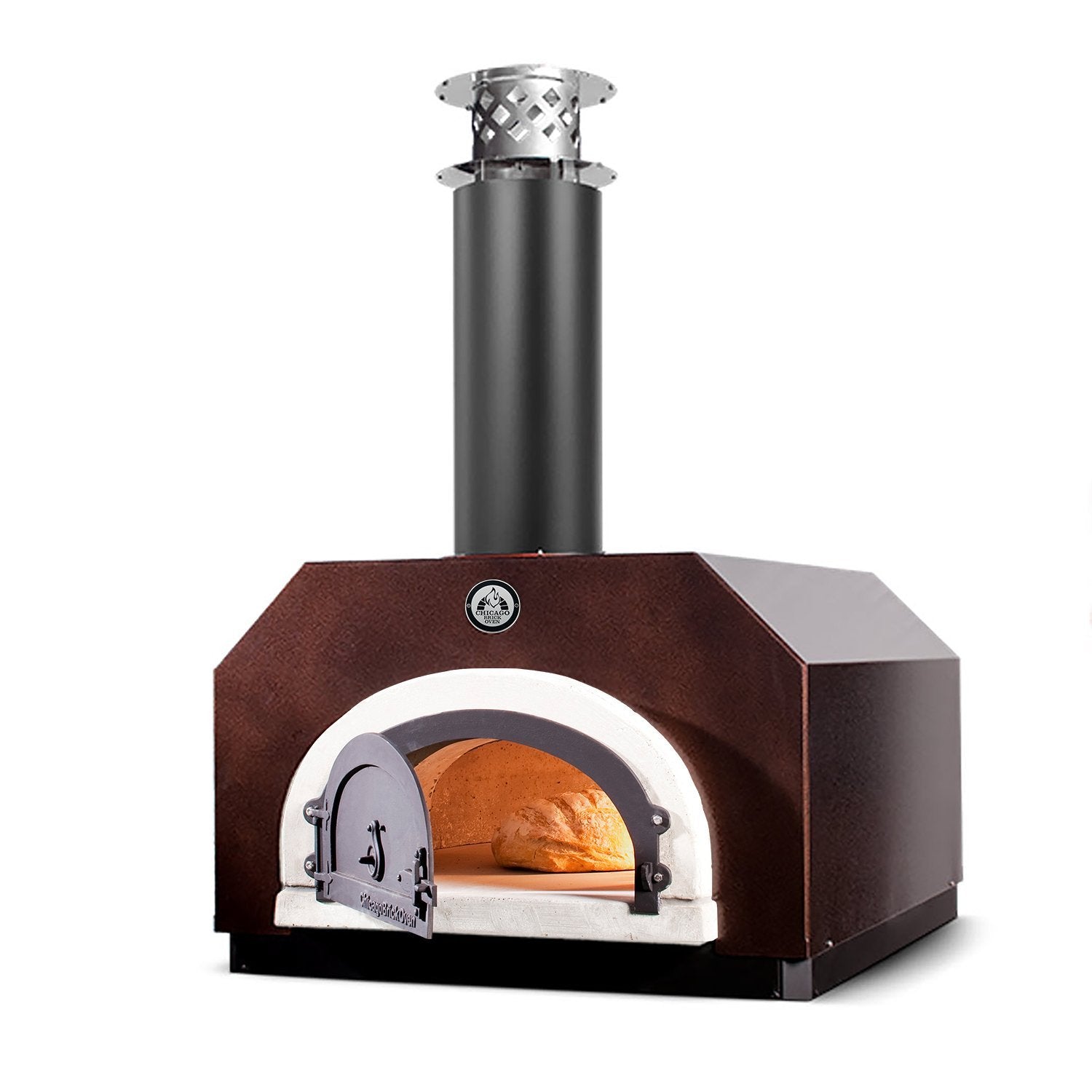
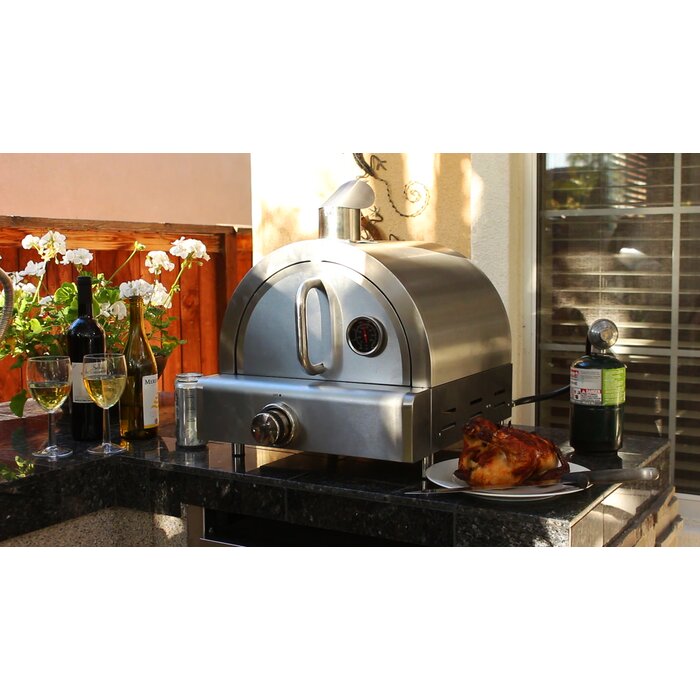
| Feature | Wood-Fired | Gas | Hybrid |
|---|---|---|---|
| Max temperature | 900 to 1,100°F | 800 to 900°F | 900 to 1,000°F |
| Pizza cook time | 60 to 90 seconds | 90 to 120 seconds | 60 to 90 seconds |
| Preheat time | 30 to 60 min | 15 to 20 min | 15 to 60 min |
| Typical price range | $1,500 to $8,000+ | $1,200 to $6,000+ | $3,500 to $12,000+ |
| Maintenance | Ash cleanup, chimney | Burner cleaning | Both above |
| Your Situation | Best Fuel Type | Best Style |
|---|---|---|
| Casual weeknight family pizza | Gas | Portable countertop |
| Weekend entertaining for 4-8 guests | Hybrid or wood | Built-in or freestanding |
| Tight patio under 100 sq ft | Gas (portable) | Countertop |
| Full custom outdoor kitchen build | Wood or hybrid | DIY kit, masonry encased |
| HOA or fire restrictions | Gas | Portable or countertop |
Don't forget these necessary expenses beyond the oven itself:
Avoid these common mistakes when shopping for your outdoor oven:
Wood-fired gives the richest flavor, but gas is easiest for weeknight use. Hybrid ovens are ideal if you want convenience most days and authentic flavor for weekend entertaining.
They reach 800°F to 1,100°F. Wood-fired often hit 1,000°F+, while gas ovens stay in the 800-900°F range. This high heat is what makes the crust crisp and soft at the same time.
In a fully preheated oven at proper temp, most pizzas cook in 60 to 120 seconds. You must rotate the pizza every 15-20 seconds to ensure even cooking.
Yes. Heavier refractory ovens hold heat well in cold weather. Gas ovens also work, but will require longer preheating times when temperatures drop.
This outdoor pizza oven guide comes down to matching the right fuel type to how you actually cook. Wood-fired delivers the most authentic flavor at 1,000°F+, while gas gives you knob-controlled speed. Whichever you pick, focus on reaching real temperatures (800°F+) and ensuring proper certifications for safety.

As the outdoor living trend continues to thrive, you may be wonder...

How to transform your outdoor space in 5 steps to...