A backyard entertainment area can completely transform how you use your outdoor space — turning an overlooked yard into the place everyone wants to gather. Whether you're hosting summer cookouts, evening dinners, or casual hangouts, the right setup makes all the difference.
The best part? You don't need a massive budget or a sprawling yard to make it work. Great design is about using your space smartly and adding the features that fit your lifestyle. From outdoor kitchens and fire pits to pergolas and ambient lighting, this guide covers the ideas and design tips to help you build a backyard worth showing off.
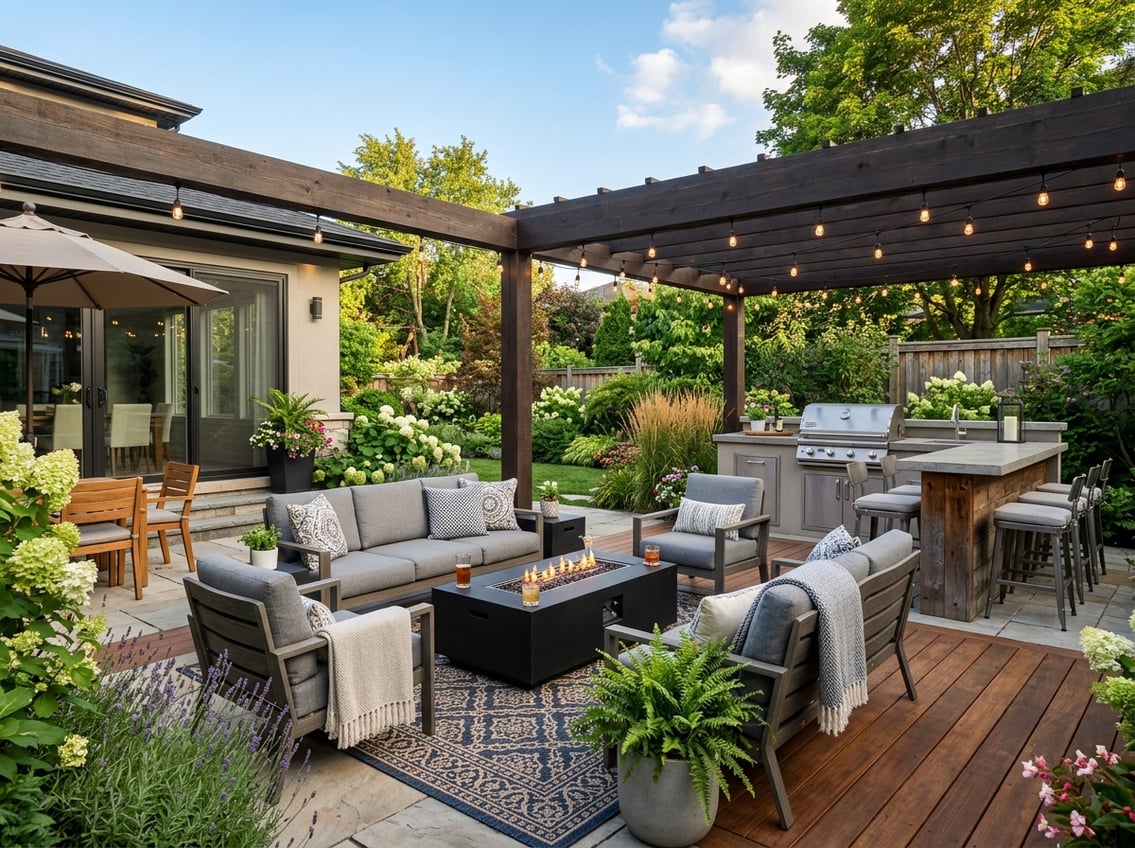
The right layout can make your backyard feel like the place everyone wants to be. Creating zones, adding weather protection, or designing for more intimate hangouts helps you get the most out of your outdoor space — no matter your budget or yard size.

Smaller yards can be perfect for cozy get-togethers if you focus on comfort and smart use of space. Try built-in benches or L-shaped seating along the patio edges to maximize spots without crowding the center. That way, you leave room for activities like cornhole or badminton and keep furniture out of the way.
Add climbing plants on trellises or fence-mounted planters for privacy without losing floor space. Hang string lights overhead to connect different areas and make the space feel a little magical. A small fire pit or portable chiminea pulls people together naturally.
Pallet furniture is a budget-friendly way to create custom seating that fits your space exactly. Build corner benches or coffee tables to match your courtyard-style setup.
Resort-style backyards are all about luxury and relaxation. Set the tone with a focal point — maybe a hot tub, outdoor kitchen, or a striking fire feature that brings people together. Arrange cushioned lounge chairs and outdoor sofas around this centerpiece for multiple seating options.
Use pavers, gravel, or stepping stones to create natural pathways between zones. Pool areas need sun loungers and cabanas for shade when it gets too hot. Lanterns, torches, and low-voltage landscape lights add just the right mood after dark.
If you're into outdoor movies, set up a weatherproof screen or use a blank wall, grab a projector, and arrange seating in rows or a semicircle. It's perfect for garden parties or family movie nights — just toss down some cushions or blankets and you're set.
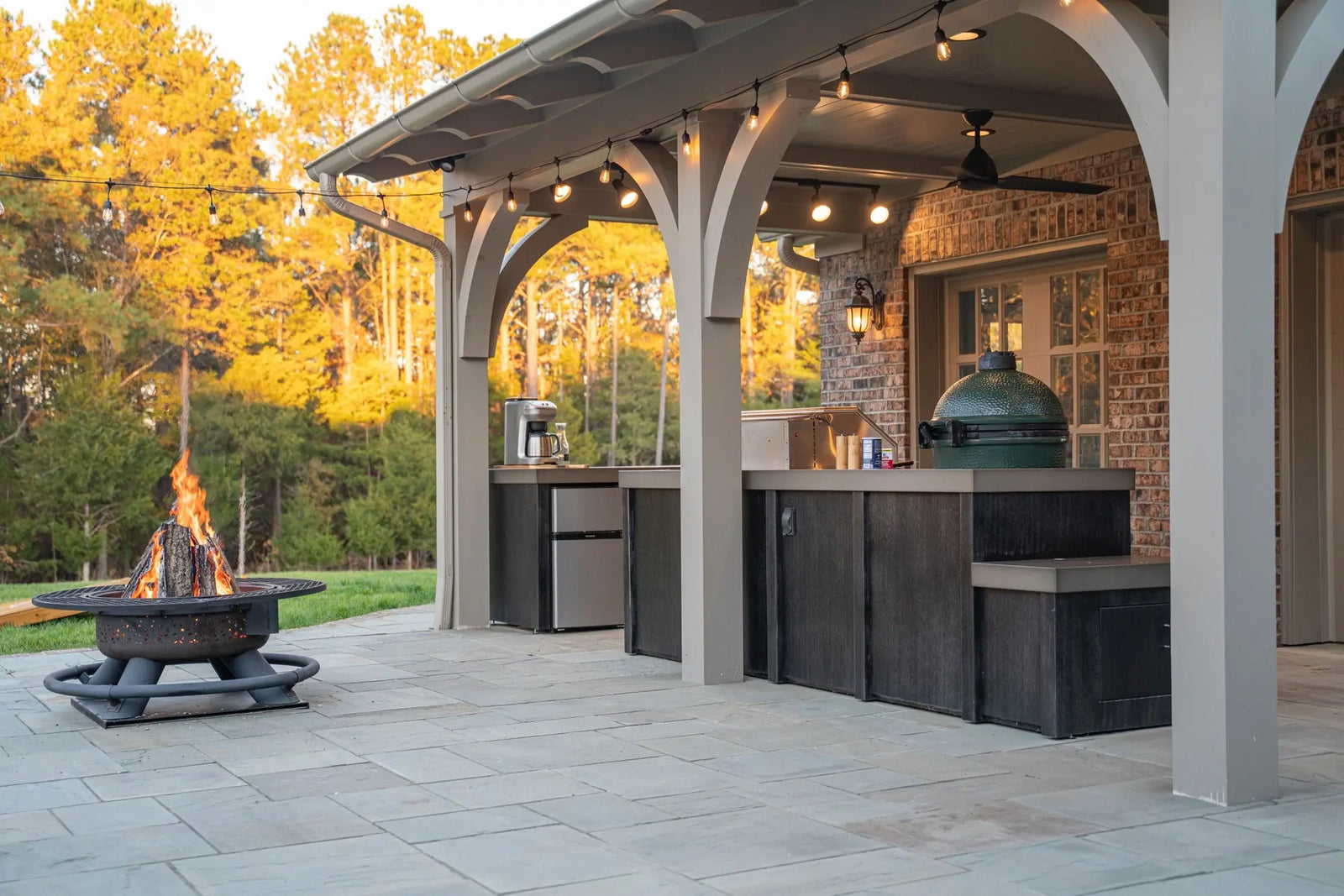
A covered patio lets you entertain longer by keeping guests out of the sun and rain. You can attach a roof extension to your house or put up a freestanding structure wherever it fits best. Choose wood, metal, or vinyl depending on your home's look and how much maintenance you want to deal with.
Pergolas with retractable canopies or fully roofed pavilions with ceiling fans and lighting can make a big difference. Outdoor curtains or roll-down screens add wind protection and privacy, turning your patio into a true outdoor room.
With a covered pavilion, you can actually set a proper dining table and not worry about rushing everything inside if the weather changes.
Splitting your backyard into different zones lets everyone do their thing without stepping on each other's toes. Put active spots like games and sports away from quieter seating or dining areas. Planters, low walls, or changes in level help separate zones visually without blocking the view.
A typical multi-zone setup might have a cooking and dining area near the house, a conversation spot with cozy seating around a fire feature, and a separate area for lawn games or sports. Instead of one giant pavilion, use a few smaller structures if you've got the space.
Clear pathways help guests move easily between areas. Use different ground materials — hardscaping for dining, grass for games, gravel or mulch for the fire pit. Each area should feel intentional but still connected to the whole backyard.
Keep storage handy in each zone. Store cornhole boards and badminton gear near the activity area, stash extra cushions by the seating, and keep serving pieces close to your grill or outdoor kitchen.
The right cabinets pull your outdoor kitchen and entertaining area together. Shop our outdoor kitchen cabinets built to handle the elements year-round.

The right mix of cooking space, gathering areas, and comfort features can turn a plain backyard into a spot where people actually want to hang out. These essentials work together to create spaces that handle everything from a quick weeknight dinner to a bigger party.
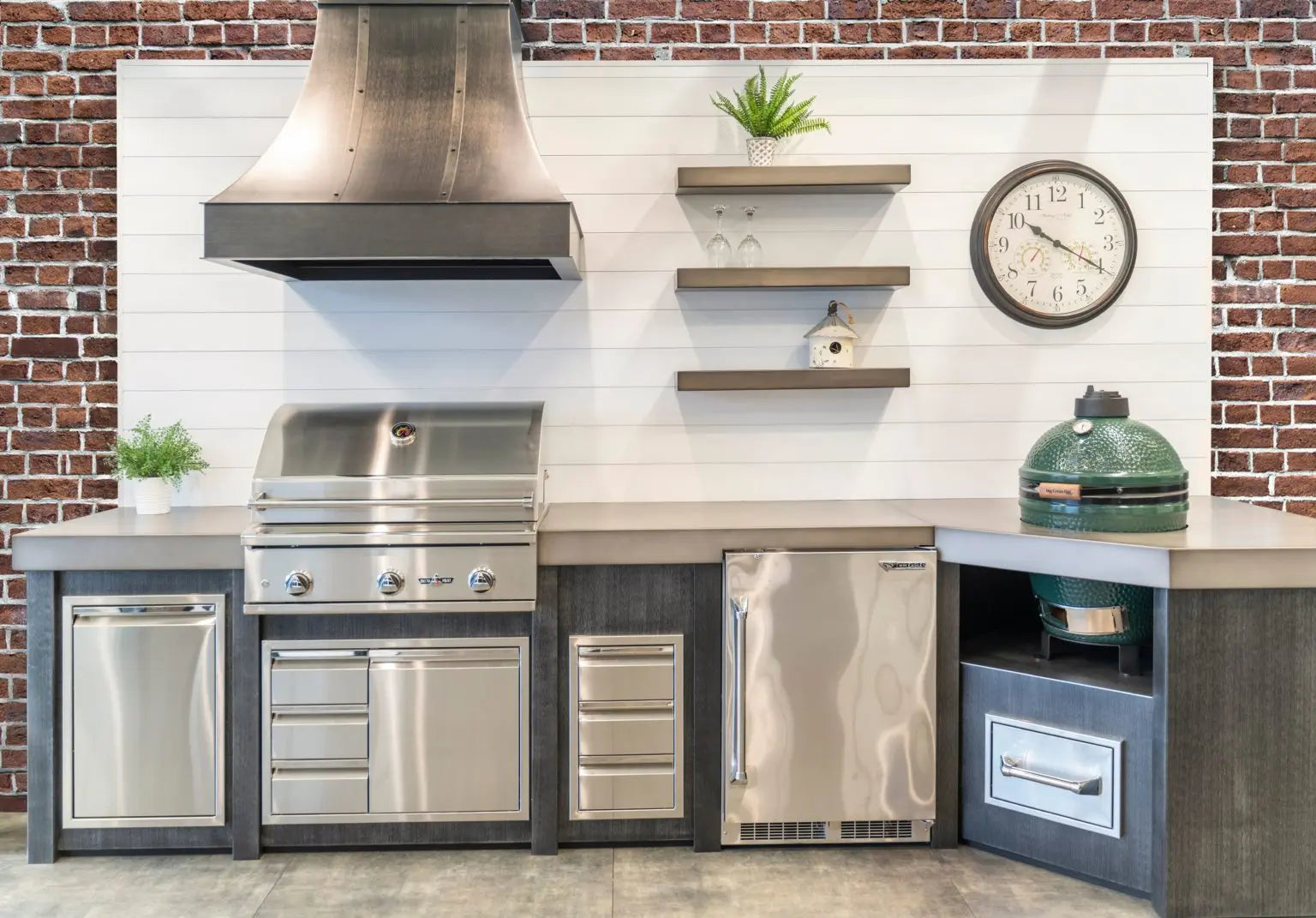
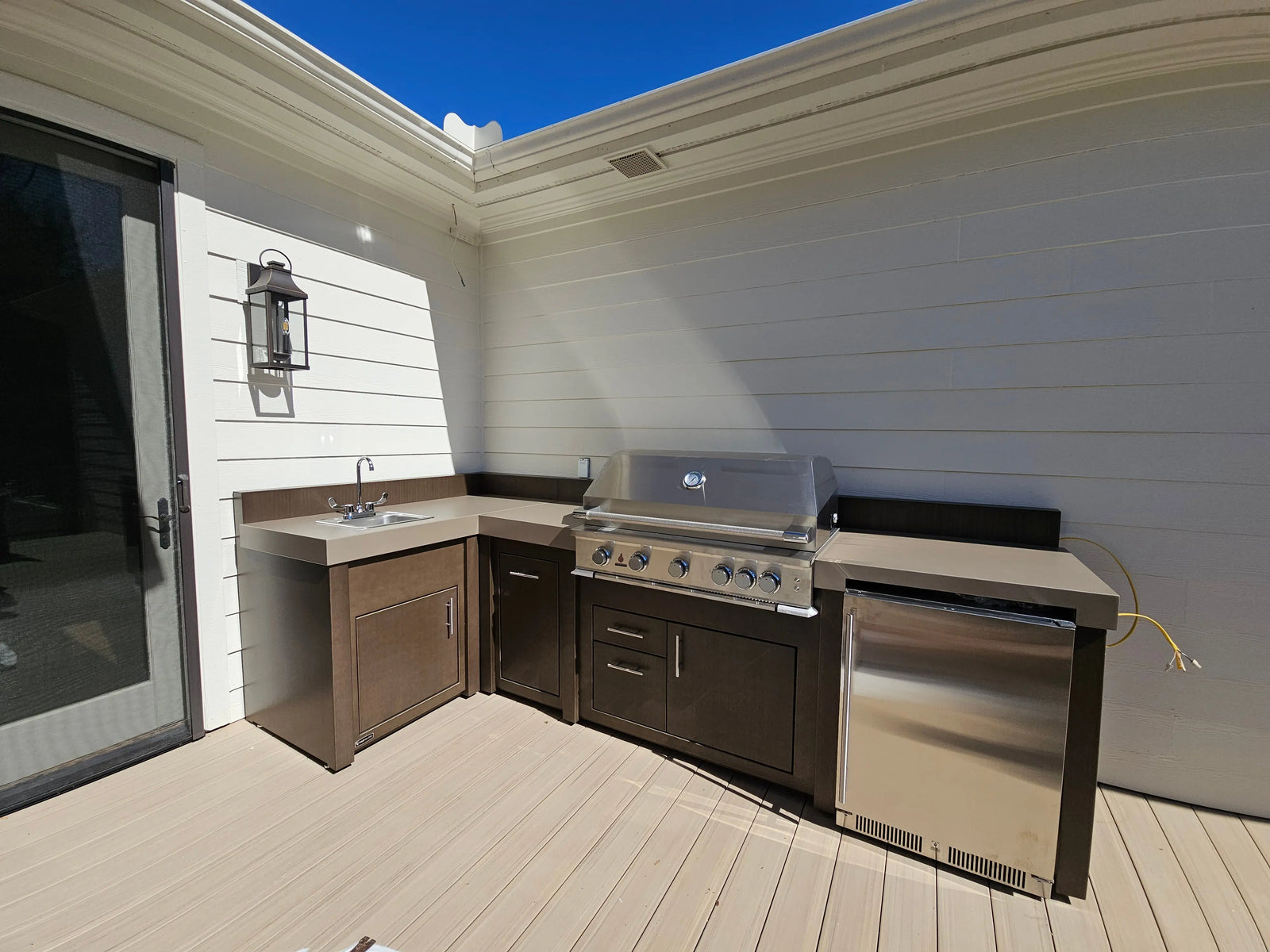
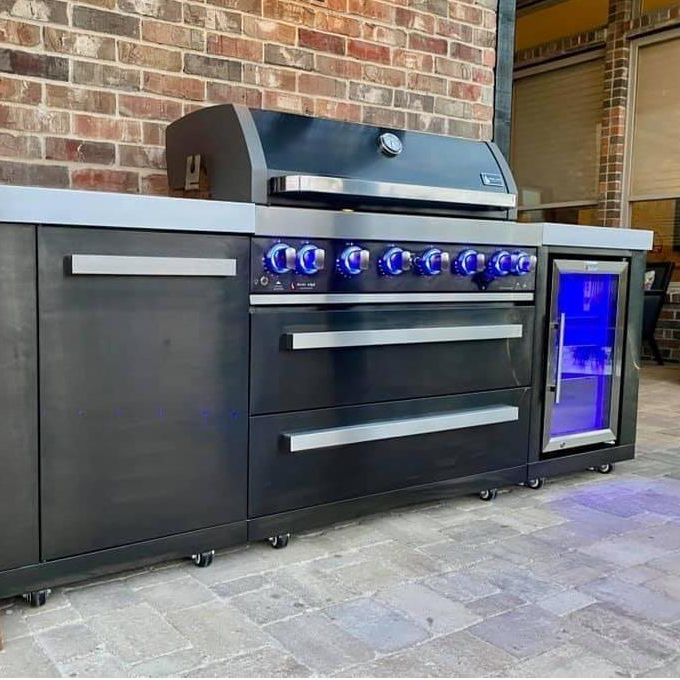
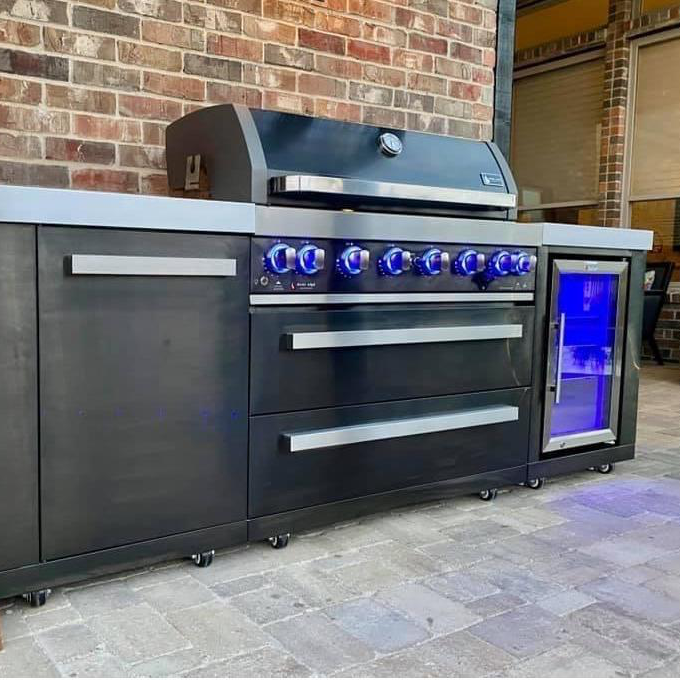
With a smart outdoor kitchen, you get your cooking tools right where you need them. A built-in grill in a stone or concrete counter gives you a real cooking station — way more functional than just dragging a grill onto the patio.
You can start simple: grill and prep counter. Then, if you want, add a fridge, sink, or storage cabinets. A pizza oven next to the grill gives you a second cooking zone for breads, roasted veggies, and pizza. Some folks add smokers for slow-cooked meals.
Counter space is more important than you might expect. You'll want at least 3 feet of counter on one side of your grill for prepping, and another couple feet on the other side for finished food. It just makes things easier.
Store grilling tools, propane tanks, and supplies in weatherproof cabinets below the counters. Built-in trash and recycling bins help keep things tidy. A modern outdoor bar with stools on one side of the counter gives guests a spot to chat while you cook.
A fire pit naturally draws people together. Wood-burning ones give you that classic campfire smell and crackle, while gas fire pits light up with a knob and don't make smoke or ash.
Built-in fire pits become permanent parts of your yard. Add stone seating walls or pavers around them to define the area. Portable fire pits are cheaper and you can move them wherever you want.
Gas fire pits need a natural gas line or a nearby propane tank. Wood-burning versions need plenty of ventilation and space from structures. Always check your local rules first — some places don't allow open flames.
Outdoor fireplaces add height and make a statement. They put out more heat than fire pits and work well on covered patios, since their chimney sends smoke up and away from your seats.
An outdoor dining table for six to eight people covers most family meals and small get-togethers. Expandable tables come in handy for bigger groups. Pick materials that handle the weather and don't need constant care.
Keep your dining area close to the outdoor kitchen — 8 to 12 feet is ideal — so you're not running back and forth all night.
Outdoor furniture should be comfortable and durable, with cushions that can handle moisture and sun. Armchairs at the ends of the table are a nice touch for hosts, and a bench along one side saves space and seats more people.
Outdoor rugs under the table help define the dining area and add some color. Use rugs made for outdoor use so they don't get moldy or fade. Try to have the rug extend at least two feet beyond the table so chairs stay on it, even when pulled out.
Overhead coverage keeps you out of the sun and light rain, and it helps define your space. A pergola with a solid or slatted roof gives you lasting shade and fits your home's style. Attach it to your house or build it freestanding — whatever works.
Retractable awnings come out when you need them and roll back to let in sun. They're easy to use, especially if you get a motorized version with a remote.
Shade sails stretch between posts or walls for angled shade. They're less expensive than pergolas and give a modern feel. Layer a few sails at different angles for more coverage if you want.
Umbrellas are great for small spaces or if you want flexibility. Look for ones that tilt, swivel, or roll. Cantilever umbrellas shade your seats without a pole in the middle getting in the way.
String lights overhead instantly make evenings feel special. Cafe-style bulbs spaced a foot or so apart give you enough light to see but keep things cozy. Run them between posts, along pergola beams, or from the house to a tree — whatever looks good to you.
Landscape lighting highlights paths, plants, and cool features, and it makes things safer, too. Uplight trees and walls, downlight from pergolas, and add step lights where you need them. LED fixtures save energy and last a long time.
Ambient lighting from different sources feels better than one harsh overhead light. Mix in lanterns on tables, wall sconces near doors, and post lights along walkways. Dimmers let you adjust the mood for whatever's going on.
Outdoor speakers bring music outside without ugly wires. Weatherproof speakers can mount under eaves, hide in garden beds shaped like rocks, or go in the ground near your seating. Bluetooth systems make it easy to play from your phone or tablet.
An outdoor TV turns your backyard into a second living room for sports or movies. Mount it in a covered spot, or get a weatherproof model if it's out in the open. Set it up so seats face it directly and you don't get glare from the sun or lights.

Designing a great backyard entertainment area means you've got to plan for how people move through the space, pick materials that last, and figure out how to create privacy without boxing everything in. Think about traffic flow, durability, and how you'll phase your budget — no need to do it all at once.
Start by sketching out how people will move through your backyard when you have guests over. You want clear walkways — think at least 3 to 4 feet wide — so folks aren't squeezing past chairs or tripping over the grill.
Set up distinct zones for each activity. Keep your dining area away from the lounge spot, and make sure your cooking zone has enough open space around it. Leave about 3 feet around dining tables so people can pull out chairs without hassle.
Pay attention to sight lines from your house. Big sliding doors or glass walls help connect inside and outside visually. Place your main hangout area where you can see it from indoors — it's just nicer that way.
Don't shove all your furniture against the patio edges. Instead, group seats together to encourage conversation. A fire pit or outdoor kitchen can work as a natural anchor, giving the rest of your layout something to revolve around.
The flooring you pick changes not just the look but also the upkeep of your outdoor hangout. Composite decking stands up to weather and doesn't need much care. It resists fading, stains, and splinters better than old-school wood.
| Material | Benefits | Considerations |
|---|---|---|
| Composite Decking | Low maintenance, fade-resistant, splinter-free | Higher upfront cost |
| Natural Stone | Ages beautifully, heat-resistant, unique look | Requires sealing, uneven surfaces |
| Concrete | Durable, versatile, can be stamped or stained | Can crack in freeze-thaw climates |
| Porcelain Tile | Stain-resistant, wide design options | Can be slippery when wet |
| Pavers | Easy to repair, good drainage | Weeds can grow between joints |
Natural stone and concrete stay cooler in hot weather, which is a relief if you spend a lot of time barefoot outside. Powder-coated aluminum furniture works with any surface and shrugs off rust.
If you want the space to feel cohesive, try echoing some of your indoor flooring tones outside. It helps tie everything together visually, even if it's just a similar color or texture.
Privacy really makes an outdoor space feel cozy. Vertical gardens create living walls that block views and add a lush vibe. Try trellises with climbing plants or modular systems you can mount to fences or walls.
Rows of tall ornamental grasses give you a soft, breezy screen. Bamboo grows fast and gets dense, but stick with clumping types so it doesn't take over.
If you want instant privacy, put up decorative screens made of powder-coated metal or cedar. They're great for decks and patios where you can't plant much.
Think about what your neighbors can see, too. Place tall screens where they'll block sight lines but won't throw big shadows onto someone else's yard — nobody likes that.
Breaking your project into phases makes the whole thing less overwhelming — and easier on your wallet. Start with the hardscaping: patios, decks, and any grading or drainage work. That gives you a solid, usable space right away.
Phase 1 covers your main surface and the groundwork. Once that's down, you can use the area while you figure out your next steps.
Phase 2 is where you add the main gathering spot — maybe an outdoor kitchen, fire pit, or dining table. Pick whatever you'll actually use most.
Phase 3 is about comfort upgrades — pergolas for shade, built-in benches, or another lounge zone. This is when you tweak things based on real use, not just plans on paper.
Phase 4 brings in the finishing touches: lighting, privacy landscaping, and decor.
Spreading things out over a few seasons helps you adjust as you go. Sometimes you realize you want more counter space or less formal seating after hosting a few gatherings — it's totally normal to change your mind.
From built-in grills to refrigerators, great appliances make entertaining effortless. Explore our outdoor kitchen appliances and upgrade your backyard setup today.
Building a backyard entertainment area doesn't have to happen all at once. Start with the features that matter most to you — whether that's an outdoor kitchen, a fire pit, or just great seating — and build from there.
The best backyard spaces aren't the biggest ones. They're the ones designed around how you actually live and entertain.
With the right layout, materials, and a few well-chosen features, your backyard can become the go-to spot for every gathering. Looking for more inspiration? Check out our guide on the best small outdoor kitchen ideas to keep the momentum going.
Setting up a backyard for entertaining comes down to picking the right furniture, adding some lights, and carving out zones for different activities. Knowing a few design terms and must-have features makes planning a lot easier.
Start by planning a layout with separate zones for dining, cooking, and relaxing. Use outdoor rugs and furniture placement to define each area. Add a focal feature like a fire pit or pergola to pull the space together.
Choose furniture that multitasks or folds away to save space. Lay down an outdoor rug to give your entertaining area a room-like feel. A small fire pit or portable fire bowl adds warmth and creates a natural gathering point.
Most people call it an outdoor living space, entertainment area, or patio. Terms like outdoor room or alfresco area describe spaces with more of a room-like feel. An outdoor kitchen, lanai, or veranda each refer to more specific setups.
Comfortable seating is the starting point — have enough for your usual crowd plus a few extras. Lighting, a grill station, and some form of shade structure like a pergola or umbrella round out the basics. Weather-resistant furniture and storage keep everything looking good and lasting longer.

As the outdoor living trend continues to thrive, you may be wonder...

How to transform your outdoor space in 5 steps to...