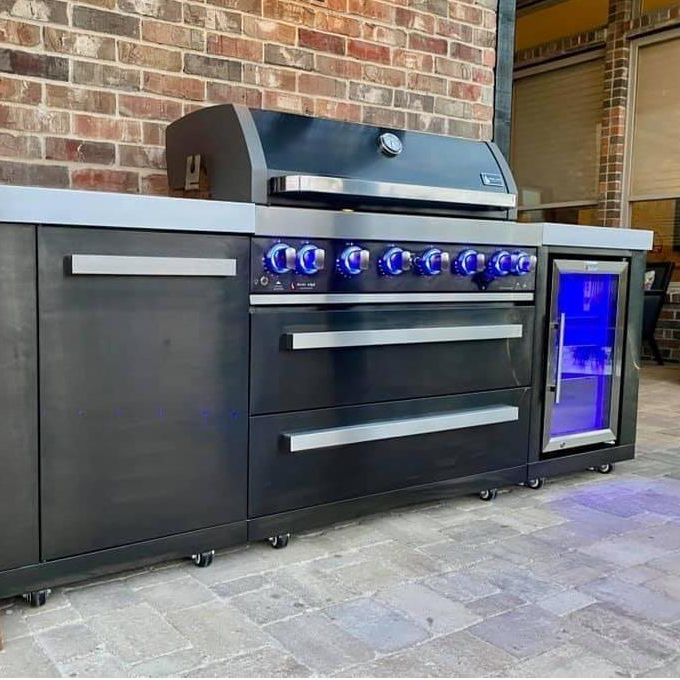
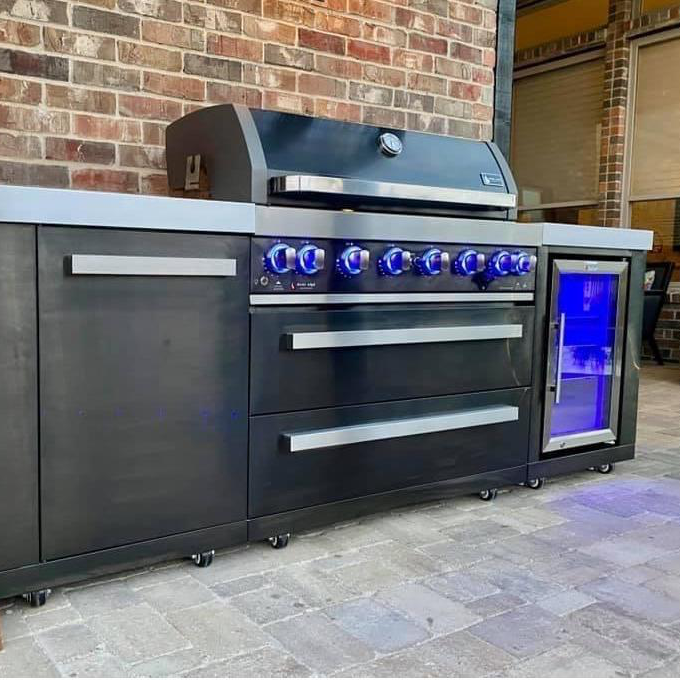
An outdoor kitchen can feel like the perfect backyard upgrade, but the final bill often includes more than the grill, countertop, and cabinets you see in the original quote.
The hidden costs of outdoor kitchen projects usually come from site preparation, utilities, permits, structural work, delivery, upgrades, and long-term maintenance. Planning for them early keeps your budget realistic and protects the project from expensive surprises.
The hidden costs of outdoor kitchen construction go beyond the visible materials and appliances. Many starter quotes focus on the island, grill, cabinets, and countertop. But a complete backyard cooking space may also need grading, slab work, gas lines, plumbing, electrical outlets, drainage, permits, shade, delivery, and maintenance.
That is why a simple outdoor kitchen can become more expensive once site conditions and code requirements are reviewed. A backyard with poor drainage, a long distance from utilities, or an existing patio that cannot support the weight of the kitchen may need extra work before installation can even begin.
Start by comparing finished layouts in BetterPatio’s outdoor kitchen collection. Seeing real kitchen sizes, appliance packages, and island styles helps you estimate whether your project is closer to a compact grill island or a full outdoor living build.
Budget shortcutIf a quote looks much lower than expected, ask what is not included. Utilities, permits, delivery, site prep, appliance upgrades, and installation details are often where the final number changes.

The biggest budget surprises usually fall into a few predictable categories. Use this table as a pre-build checklist before you approve a design or order products.
| Hidden Cost | Why It Happens | Budget Impact | How To Plan Smarter |
|---|---|---|---|
| Site preparation | The patio may need leveling, excavation, drainage correction, or a new slab. | Moderate to high | Inspect the installation area before choosing the kitchen layout. |
| Utility hookups | Gas, water, and electrical lines often require trenching and licensed labor. | High | Place the kitchen near existing utility access when possible. |
| Permits and inspections | Gas, plumbing, electrical, or structural work may require local approval. | Low to moderate | Check local rules before ordering materials or scheduling contractors. |
| Material upgrades | Outdoor-rated stainless steel, stone, and weather-resistant finishes cost more than indoor materials. | Moderate | Spend more on outdoor-rated materials where weather exposure is highest. |
| Long-term upkeep | Sealing, cleaning, winterizing, covers, and replacement parts continue after installation. | Ongoing | Build annual maintenance into the ownership cost. |
Site preparation is one of the most overlooked hidden costs of outdoor kitchen projects. Before you install cabinets or appliances, the surface must be stable, level, and able to manage water properly.
If the patio slopes toward the house, holds puddles, or sits on unstable soil, you may need grading or drainage correction. Poor drainage can damage the foundation, rust metal components, stain stone, and create mold problems around cabinets.
Outdoor kitchens can be heavy, especially when they include stone countertops, built-in grills, refrigeration, sinks, and bar seating. If the existing patio cannot support the weight, reinforcement or a new slab may be required.
For layout planning before construction, read BetterPatio’s guide on how to plan a custom outdoor kitchen. It explains why measurements, site planning, and design choices should happen before the build starts.
Utility work is often the largest hidden cost of an outdoor kitchen. The farther your kitchen is from existing gas, water, or electrical access, the more labor and materials may be needed.
Built-in grills, pizza ovens, and some burners may need a dedicated gas line. This can involve trenching, pipe installation, shutoff valves, pressure testing, and professional inspection.
Outdoor refrigerators, lighting, outlets, ignitions, fans, speakers, and entertainment systems require safe outdoor-rated wiring. GFCI protection and proper placement are essential.
A sink adds convenience, but it may require water supply lines, drainage, slope, a P-trap, venting, shutoff valves, and winterization in cold regions.
If you are still deciding how much room you have for utilities, appliances, and movement, BetterPatio’s guide on outdoor kitchen space requirements can help you avoid an undersized layout.

Permits are easy to forget when budgeting. Local requirements vary, but outdoor kitchens may need permits for gas, plumbing, electrical, structural work, roofing, fire safety, or HOA approval.
Skipping permits can lead to fines, delays, insurance issues, or forced removal of unapproved work. The safer approach is to confirm requirements with your local building department before construction begins.
Important reminderAny outdoor kitchen connected to gas, electricity, plumbing, or a covered structure should be planned with local codes in mind. Professional installation is often worth the added cost when safety systems are involved.
Outdoor environments are tougher than indoor rooms. Sun, rain, humidity, grease, temperature swings, and wind-driven debris can damage the wrong materials quickly.
That is why outdoor-rated products cost more upfront. Better grills, stainless steel components, sealed stone, concrete, marine-grade cabinets, and weather-resistant finishes usually cost more than indoor materials, but they reduce the chance of early failure.
| Component | Lower-Cost Choice | Better Outdoor Choice | Why It Matters |
|---|---|---|---|
| Cabinets | Untreated wood or indoor panels | Stainless steel, marine-grade polymer, or outdoor-rated frames | Prevents warping, swelling, rust, and premature replacement. |
| Countertops | Laminate or indoor surfaces | Sealed granite, concrete, porcelain, or natural stone | Handles heat, rain, UV, and food prep better outdoors. |
| Appliances | Indoor appliances used outside | Outdoor-rated grills, refrigeration, burners, and storage | Improves safety, weather resistance, and lifespan. |
For countertop planning, compare options in BetterPatio’s guide to outdoor kitchen countertop materials. If you are deciding between different island structures, the guide on stainless steel, stucco, and stone outdoor kitchen frames is also useful.
Many homeowners plan the kitchen first and add shade later. That can be more expensive than designing the whole outdoor living area at once.
Common add-ons include pergolas, pavilions, covered patios, roof extensions, retractable awnings, fans, and ventilation hoods. Covered kitchens may require additional clearance and ventilation planning around grills and heat-producing appliances.
Before finalizing your layout, review BetterPatio’s outdoor kitchen layout ideas to see how different shapes affect walking space, cooking flow, seating, and future upgrades.
Once the kitchen is designed, it is natural to add comfort features that make the backyard more enjoyable. These upgrades can be worth it, but they should be included in the original budget instead of treated as afterthoughts.
If you are building a full entertaining area, browse BetterPatio’s outdoor living packages to understand how furniture, cooking, shade, and comfort pieces can work together in one plan.
Labor is a major part of outdoor kitchen cost. Electricians, plumbers, masons, gas professionals, and installers each add specialized expertise. Their work is important, but it can also increase the budget if the scope is unclear.
Change orders are another common cost driver. Moving a sink, changing countertop material, upgrading a grill, adding lights, or shifting the island after construction begins can increase labor and delay the project.
Cost control tipFinalize the layout, appliance list, utility plan, and finish choices before construction starts. The more decisions you make upfront, the fewer expensive changes happen mid-project.

The hidden costs of outdoor kitchen ownership continue after installation. Outdoor spaces require regular maintenance because they are exposed to weather, grease, moisture, insects, and temperature changes.
Plan for stainless steel cleaning, countertop sealing, grill maintenance, burner inspections, and seasonal deep cleaning.
Frequent outdoor cooking can increase gas, electricity, and water usage, especially if the kitchen includes refrigeration, lighting, heaters, or a sink.
Igniters, burners, covers, lights, plumbing parts, and seals may eventually need replacement. Better-quality equipment typically reduces the frequency of these costs.
To avoid common planning errors, review BetterPatio’s guide to outdoor kitchen design mistakes before you commit to a build.
A practical rule is to set aside an additional 15% to 30% above the base estimate for hidden costs and changes. The exact cushion depends on the complexity of your project, site conditions, utility distance, materials, and local labor rates.
| Project Level | Typical Scope | Common Hidden Costs | Planning Tip |
|---|---|---|---|
| Basic setup | Grill, small counter, limited storage | Delivery, assembly, patio support, cover, accessories | Keep the layout simple and avoid unnecessary utilities. |
| Mid-range kitchen | Built-in grill, storage, countertop, possible fridge or sink | Electrical, plumbing, gas line, permits, drainage | Confirm utility access before ordering appliances. |
| Luxury build | Large island, premium appliances, shade, seating, lighting | Structural work, ventilation, panel upgrades, custom labor | Design the kitchen and outdoor living area together. |
These BetterPatio options can help you compare different budget paths before committing to a custom build. Use them as planning anchors for project size, appliance level, seating needs, and hidden-cost control.
Compare ready-to-shop outdoor kitchen and dining options that make budgeting easier before you start trenching, permitting, or customizing.
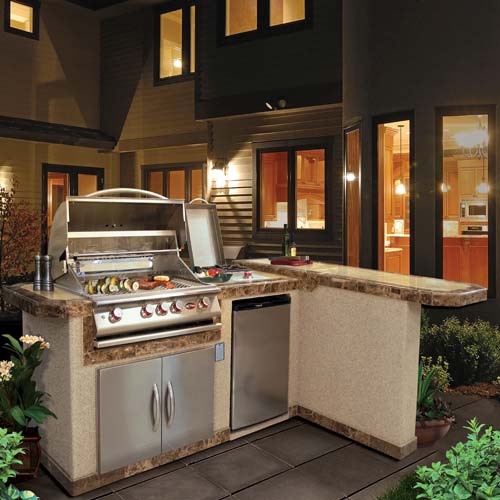
A complete island-style starting point that helps estimate cooking, prep, and entertaining space in one package.
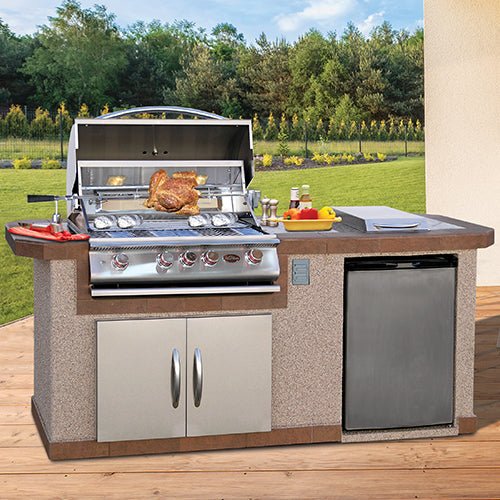
A flexible island option for shoppers who want to balance appliance choices, finishes, and overall project budget.

A stainless steel island with refrigeration, storage, and expanded counter space for planning a fuller outdoor kitchen scope.
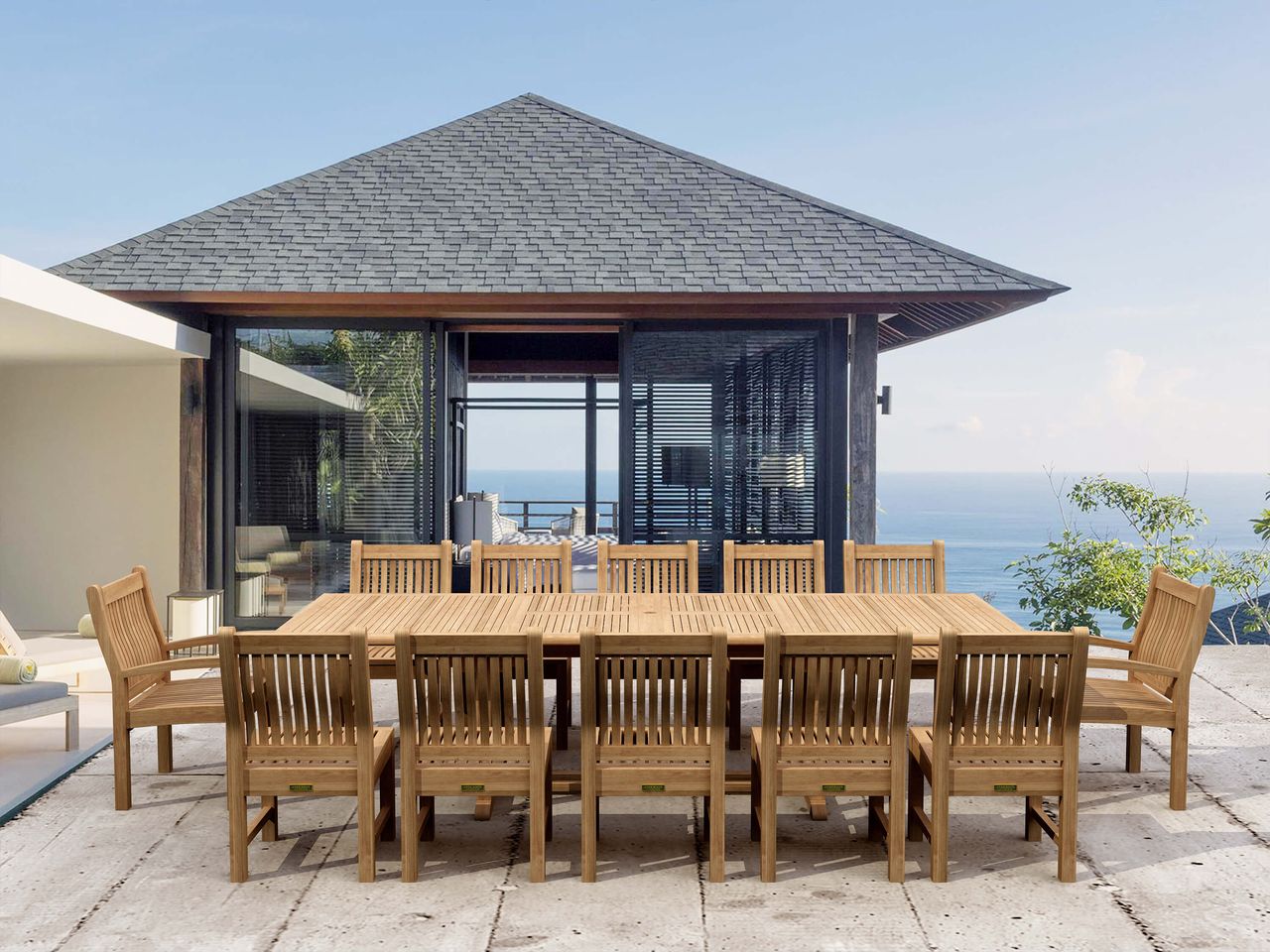
A full dining setup to include in the budget when the cooking zone and entertaining area need to feel finished together.
The best way to control hidden costs is to decide what matters most before buying anything. A smaller, well-planned kitchen often performs better than a larger project full of afterthoughts.
If you need a more controlled starting point, compare prebuilt BBQ islands and modular outdoor kitchens. These options can make product costs easier to understand before adding utilities, installation, or furniture.
The hidden costs of outdoor kitchen projects go far beyond the grill and countertop. Site preparation, utilities, permits, structural additions, delivery, labor, and maintenance all affect the final investment.
Plan the full project before you build, choose outdoor-rated products, and leave room in the budget for surprises. When you are ready to compare layouts and finishes, BetterPatio’s Design Your Outdoor Kitchen page can help you start with a clearer plan.
Many outdoor kitchens fall somewhere between a simple grill island and a larger custom build. A practical budget should include the kitchen structure, appliances, utilities, permits, labor, delivery, furniture, and a 15% to 30% cushion for hidden costs.
The most common hidden costs include site preparation, foundation work, gas lines, plumbing, electrical wiring, permits, inspections, drainage fixes, delivery, installation, and long-term maintenance.
A $30,000 budget can often support a strong mid-range outdoor kitchen with quality appliances and materials. However, utility work, roofing, custom stone, extensive labor, or high-cost local markets can push the final price higher.
An outdoor kitchen can improve buyer appeal, especially in warm climates where outdoor living is used often. The return depends on build quality, neighborhood expectations, and how well the kitchen fits the home and yard.
A $10,000 budget may work for a compact outdoor kitchen with a grill, basic counter space, and limited storage. It may not cover extensive utilities, premium appliances, custom finishes, or major patio preparation.

As the outdoor living trend continues to thrive, you may be wonder...

How to transform your outdoor space in 5 steps to...