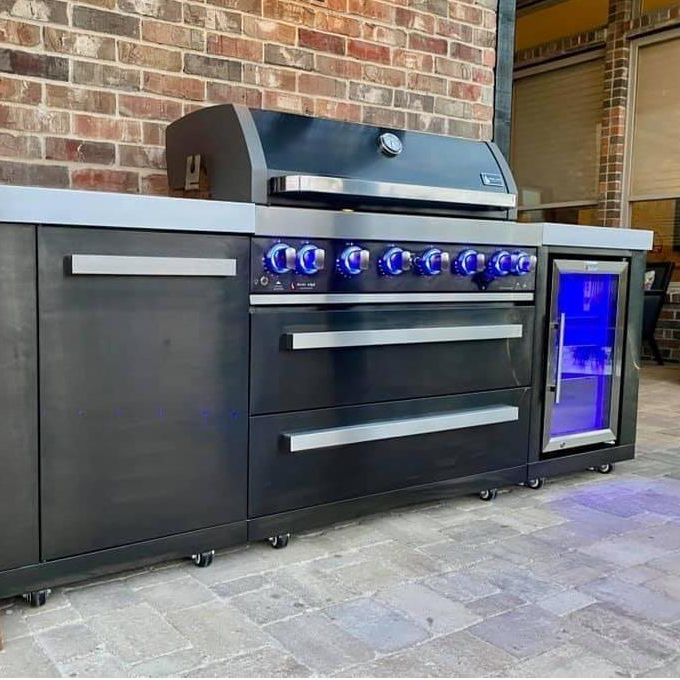
Knowing how to prepare your yard for an outdoor kitchen install is the difference between a smooth delivery day and weeks of expensive delays.
At BetterPatio, we have shipped thousands of outdoor kitchens, and the same mistake comes up over and over: buyers focus on picking the perfect grill or finish, then forget that the kitchen needs a level surface, a gas line, and a clear delivery path before it can be installed.
This guide walks through the full pre-install checklist we share with every customer so your yard is truly ready when delivery day arrives.
Preparing your yard for an outdoor kitchen is one of the most important steps in the whole project. An outdoor kitchen is one of the heaviest, most utility-dependent products a homeowner ever brings into their yard.
Most kitchens weigh between 800 and 2,500 pounds, require gas and electrical hookups, and must sit perfectly level to function correctly.
The good news is that proper yard prep usually takes 1 to 3 weekends, not weeks.
Once your yard is ready, most outdoor kitchens (especially prefab and modular) can be installed in just 15 to 30 minutes.

Follow these eight steps in order and your yard will be ready for outdoor kitchen delivery and install day.
Where you place the kitchen affects everything from your hosting experience to how long the appliances last. The best spots check several boxes at once.
What makes a good outdoor kitchen location:

Locations to avoid:
The surface under your outdoor kitchen has to be flat, stable, and well-drained. Here is what to look for and how to fix common issues.
What you need:
Common surface issues and fixes:
If your patio is slightly uneven (most paver patios are), most outdoor kitchen brands include shims to fill small gaps. For larger problems:
If you do not have a patio yet, this is the perfect time to plan one that fits your future kitchen layout. Pour or install the patio with the kitchen footprint in mind, including any future utility lines.
Standard prefab islands weigh 1,000 to 1,800 lbs, while premium kitchens can hit 5,000 lbs. Check the concentrated load requirements for your specific build type.
Decks especially need a builder or engineer to confirm the structure can hold the load before you order.
| Kitchen Type | Typical Weight | Concentrated Load |
|---|---|---|
| Prefab standard (7-8 ft) | 1,000 to 1,800 lbs | 125 to 225 lbs/sq ft |
| Modular L-shaped (8-10 ft) | 1,500 to 2,500 lbs | 150 to 250 lbs/sq ft |
| Custom Masonry (10-14 ft) | 2,500 to 4,500 lbs | 200 to 350 lbs/sq ft |
| Premium granite slab kitchens | 3,000 to 5,000+ lbs | 250 to 400 lbs/sq ft |

Running gas, water, and electric lines is 5x to 10x cheaper before the patio is poured.
Even if you are not sure which appliances you will add later, run extra conduit now so future you can pull wires without trenching concrete.
Verify permits for gas and electrical work with your local building office. Check HOA covenants for maximum height restrictions or approved finish colors before work starts.
Skipping this step can mean fines or being forced to remove a finished build.
Outdoor kitchens are big. They have to physically get from the delivery truck to your backyard.
This sounds obvious, but it is one of the most common reasons a delivery fails.
| Access Point | Minimum Width | Notes |
|---|---|---|
| Gates and side passages | 36 inches | Wider for fully-assembled units |
| Doorways (if going through) | 32 inches | Plus turn clearance |
| Backyard pathway | 30 inches | Minimum for a hand truck |
| Truck access to driveway | 12+ ft wide | 13 ft tall clearance needed |
When to choose panelized vs fully-assembled:
Wide access (36+ inch gates, no stairs): Fully-assembled prefab works fine.
Narrow gates or stairs: Choose panelized or modular kitchens that ship in pieces and assemble on site. The BetterPatio Designer Series and Mountain Series both ship panelized for exactly this reason.
Apartment buildings or rooftops: Panelized is your only realistic option. Disassembled delivery is available on most BetterPatio models.
If you have any doubts about the access path, take photos and measurements and send them to your supplier before ordering. A 5-minute pre-check prevents a whole returned shipment.
Move parked cars and trim low branches two days before delivery. On delivery day, have 2 to 4 helpers ready and inspect all boxes for damage before signing the delivery paperwork.
Confirm utility lines are capped, permits are pulled, and tools (level, drill, shims) are ready one week before delivery.
Walk through the access path one more time to spot any last-minute blockers.

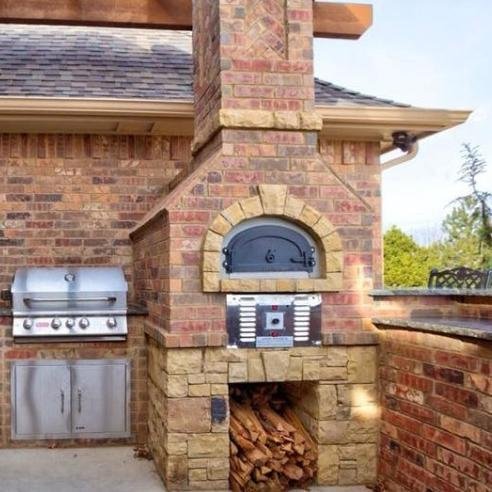
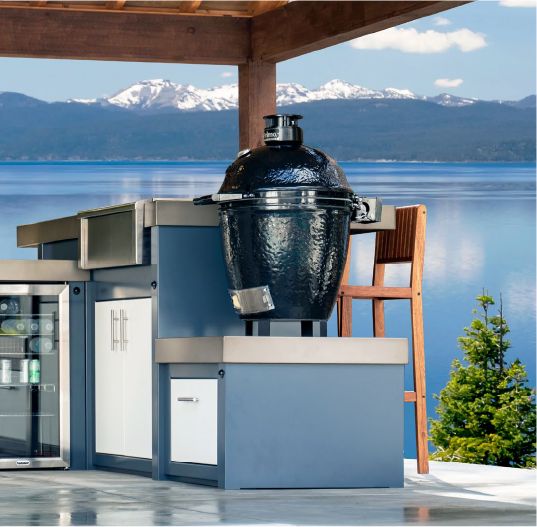
After delivering thousands of outdoor kitchens, here are the mistakes we see most often when homeowners prepare their yard for an outdoor kitchen install.
For homeowners with smaller patios where space is tight, the outdoor kitchen islands for small spaces collection is built around making the most of compact footprints.
For corner-fitting layouts, the L-shaped outdoor kitchens collection covers the most popular configurations.
Wrapping up
Preparing your yard for an outdoor kitchen is all about getting the basics right before installation day. Choose the right location, confirm drainage and weight capacity, run utilities early, secure permits, and make sure delivery access is clear.
The biggest money-saving step is installing gas, water, and electrical lines before concrete is poured, since retrofitting later can cost far more. If you may add appliances in the future, install extra conduit while trenches are open.
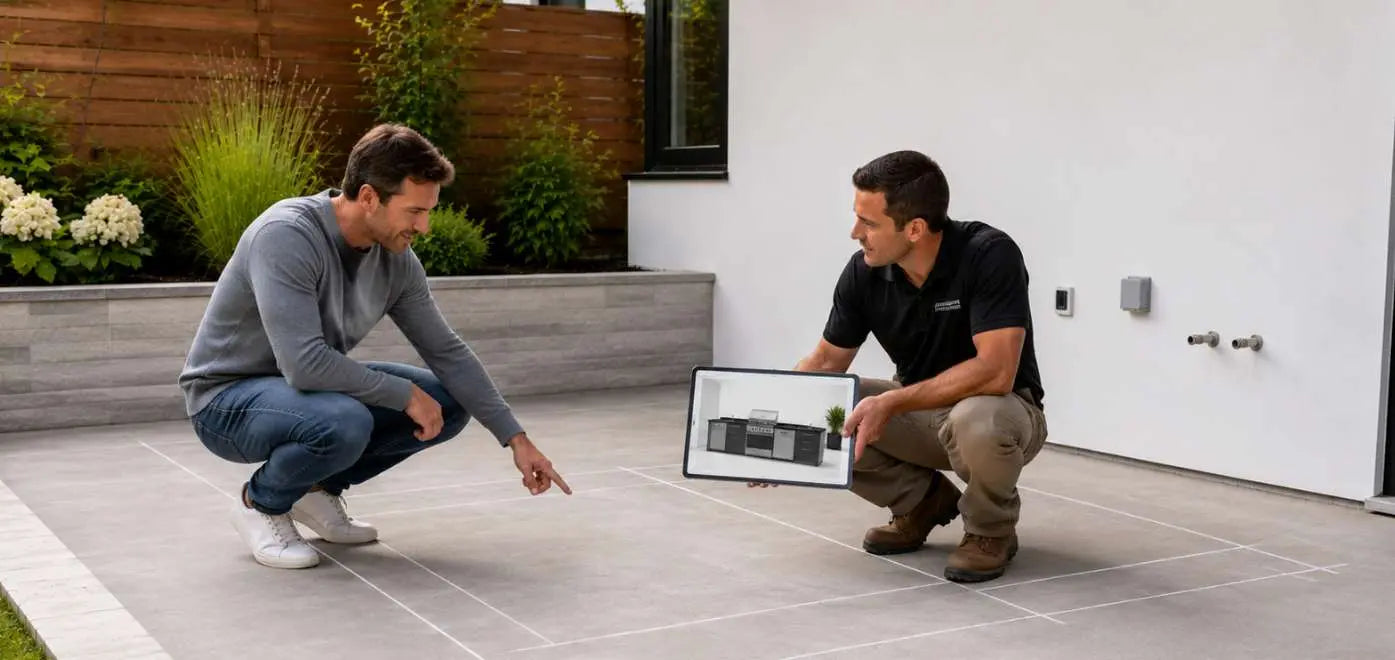
With proper prep, your outdoor kitchen can deliver 10 to 25 years of reliable use. BetterPatio also offers free design consultations and 3D renderings to simplify the planning process.

As the outdoor living trend continues to thrive, you may be wonder...

How to transform your outdoor space in 5 steps to...