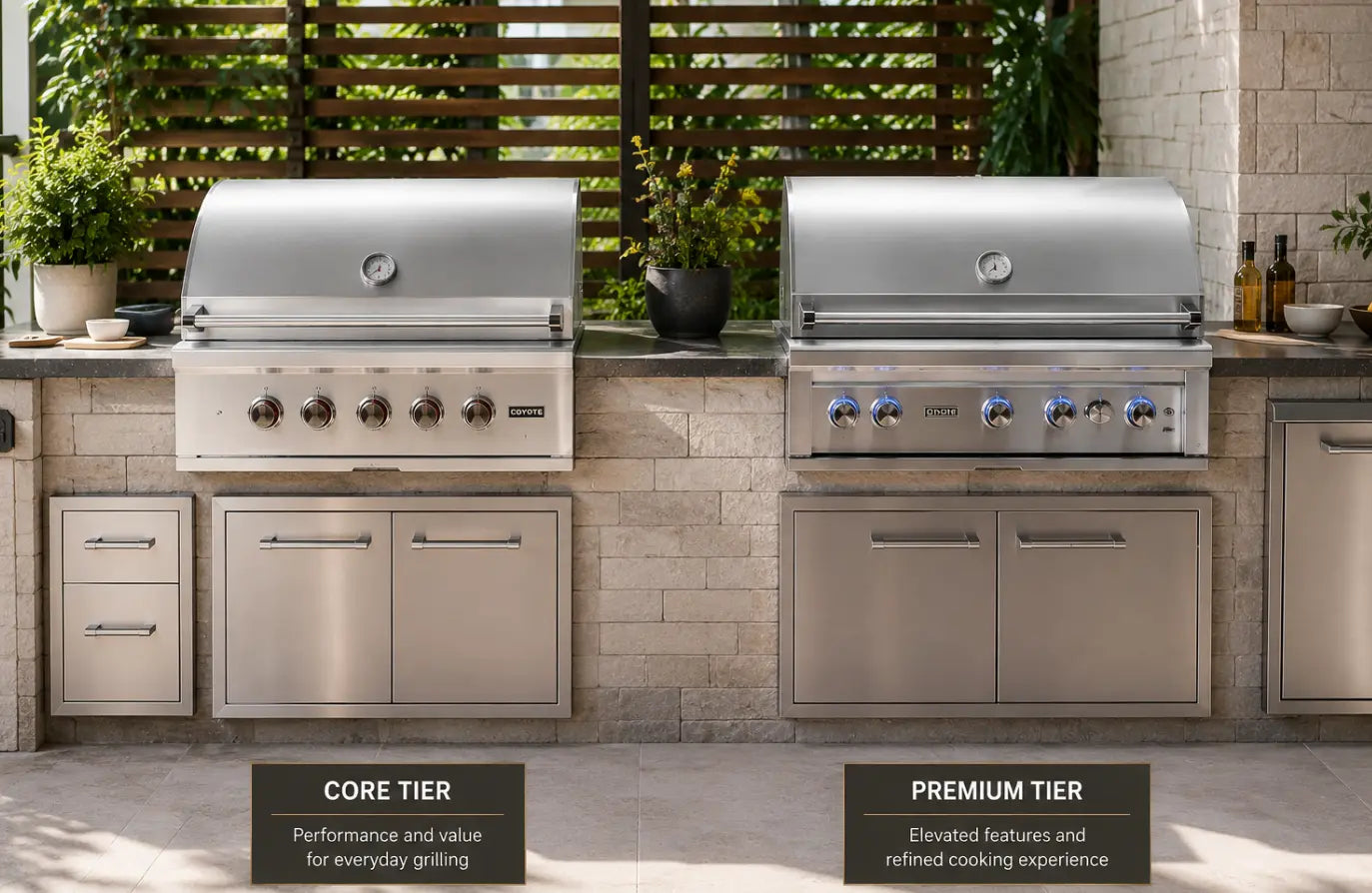
The Coyote C-Series vs. S-Series decision comes down to one question: do you need an infrared sear burner and a rotisserie system?
The S-Series is the premium tier; it adds a RapidSear infrared burner, a rear infrared rotisserie kit, ceramic briquettes, and backlit knobs.
The C-Series is the core tier, with the same Coyote build quality and cast stainless burners, fewer luxury extras, and a friendlier price. Both are excellent grills; which one is right depends on how you cook.
Before comparing, one thing worth knowing: Coyote sits in the affordable luxury tier, above big-box brands like Weber and Char-Broil, below ultra-premium manufacturers like Fire Magic and Lynx. Founded in Dallas in 2010, the brand built its name on offering luxury-tier features at mid-premium prices.
The series names have evolved across generations. The classic comparison most buyers search is C-Series vs S-Series, where C is the core line, and S is the premium, infrared-equipped line.
In Coyote's newer Gen 3 rollout, the lineup was updated, replacing the S Series with two new options: the CL Series and the SL Series, alongside the longstanding C Series. The SL effectively carries forward the S-Series's premium, fully-loaded role.
So whether you're shopping for a current S-Series unit or the newer SL, the C-vs-premium logic in this guide applies. Always confirm the exact model and its standard features before you buy.
For a broader brand context, see our best built-in grills for outdoor kitchens guide.
Start with what doesn't change between them, because there's a lot, and it's why either is a strong pick.
Both the C-Series and S-Series are built from 304 stainless steel throughout, burners, firebox, grids, not just the hood, backed by a lifetime warranty on the frame and burners. That marine-grade alloy resists corrosion and pitting from year-round outdoor exposure, which is exactly what you want in a permanent kitchen.
Both also feature:
Cast stainless steel Infinity Burners for even heat and warp resistance
Double-walled hoods that hold temperature and stay cooler on the exterior
Flamethrower-style ignition that lights reliably on the first try
Interior lighting for night cooking
Natural gas and propane options so you can match your fuel setup
In other words, you're getting genuine Coyote quality at either tier. The differences are about features and refinement, not fundamental build integrity.
If you're still deciding between propane and a natural gas line for either grill, our propane vs natural gas grill breakdown covers the tradeoffs.
Here's where your money actually goes. The S-Series adds a stack of premium cooking features that the C-Series leaves out.
| Feature | C-Series (Core) | S-Series (Premium) |
|---|---|---|
| 304 stainless construction | Yes | Yes |
| Cast stainless Infinity Burners | Yes | Yes |
| RapidSear infrared burner | Not standard | Standard Upgrade |
| Rear infrared rotisserie + kit | No | Standard |
| Ceramic briquette trays | No | Yes |
| Backlit LED control knobs | Basic | Yes |
| Smoker box | No | Yes (standard) |
| Lifetime frame/burner warranty | Yes | Yes |
This is the headline difference. The S-Series includes a dedicated infrared sear zone. The Infrared RapidSear burner delivers the extra high heat you need to sear steaks and chops, steakhouse-level searing that the C-Series doesn't offer as standard.

The S-Series ships with a full rotisserie setup. Standard in the box are the RapidSear infrared burner, ceramic rear infrared burner, stainless steel smoker box, and a full rotisserie kit complete with rod, spit, and forks, and a built-in rack on the back stores the rotisserie parts when not in use.
If you dream about slow-roasted rotisserie chicken or porchetta, this alone may justify the S-Series.
The S-Series pushes serious BTUs. A 36-inch S-Series, for example, runs three cast stainless-steel Infinity burners plus one RapidSear infrared burner, delivering up to 75,000 BTUs of cooking power, with ceramic briquette trays that minimize flare-ups across a 640-square-inch cooking area.

In hands-on testing, the S-Series earns its premium billing on build and capability. Reviewers consistently note its heavyweight construction.
Premium build quality: Uses 304 stainless steel throughout the grill. Includes a double-walled hood, stainless steel cooking grates, and a durable control panel built to handle years of outdoor use.
Strong high-heat performance: Reached 660°F to 670°F after 20 minutes with all standard burners on high, delivering excellent heat output for searing.
Extra cooking versatility: Includes an infrared sear burner and a full rotisserie system.
The lowest temperature setting ran slightly warm, holding around 460°F to 475°F. The front-right section of the grill cooked about 15°F cooler than the overall average cooking temperature.
For everyday grilling of burgers, chicken, vegetables, and weeknight meals, the C-Series produces very similar results. The biggest advantages of the S-Series are the infrared sear burner and rotisserie system, not dramatically better day-to-day grilling performance.
Do you sear at very high heat or use a rotisserie regularly? If yes, invest in the S-Series. If you mostly grill standard family meals, save money with the robust C-Series.
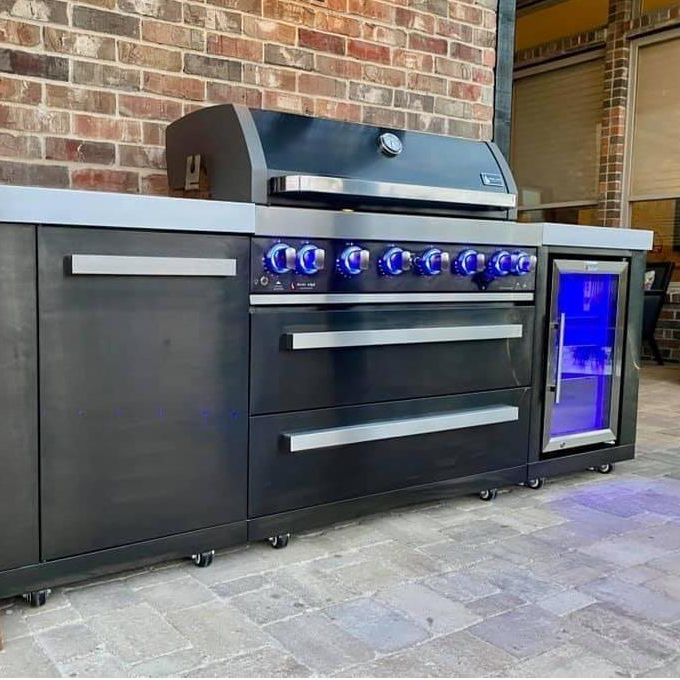
Built-in or freestanding? 30", 34", 36" or 42"? Choose the layout size that aligns with your patio design and crowd requirements.
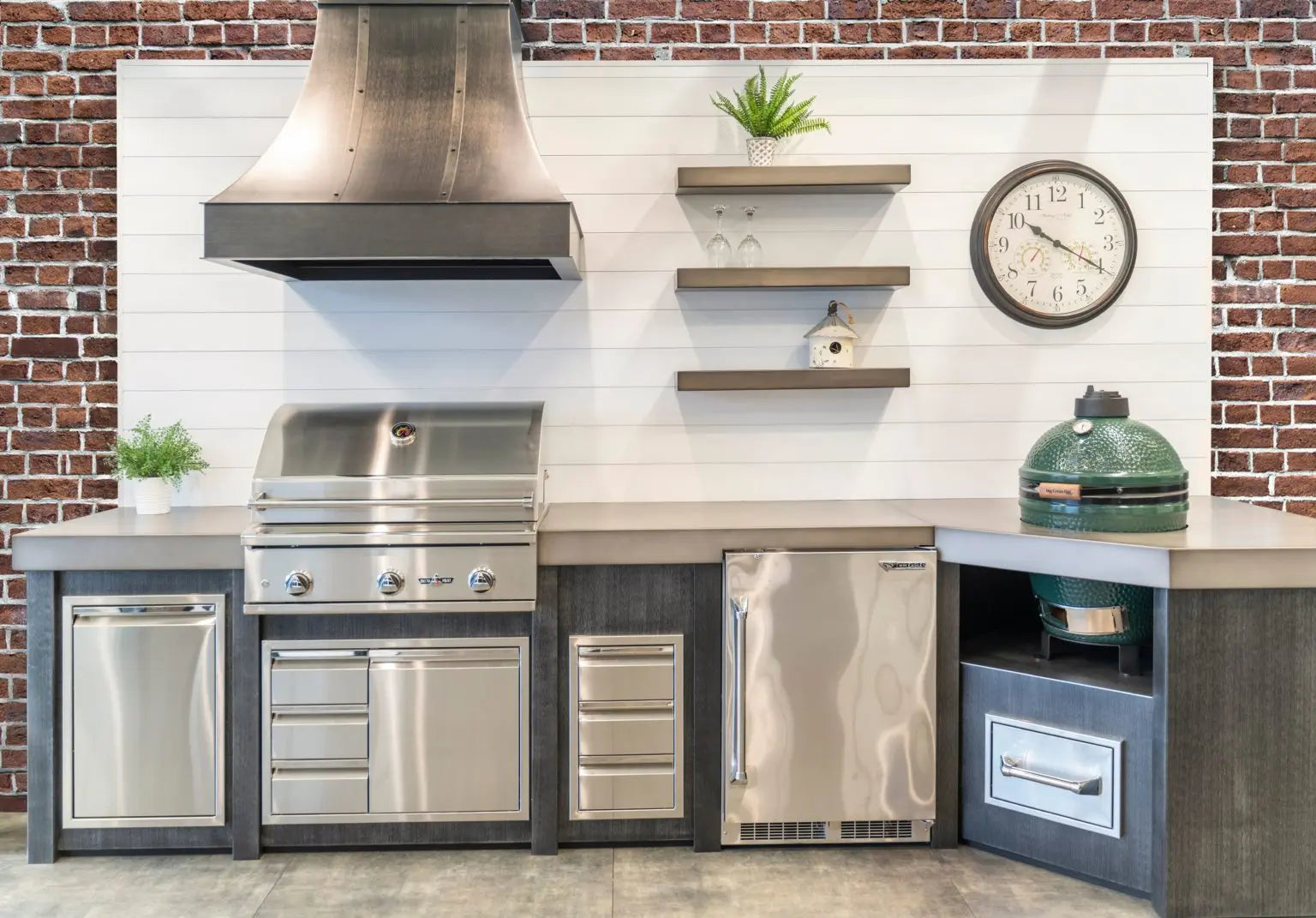
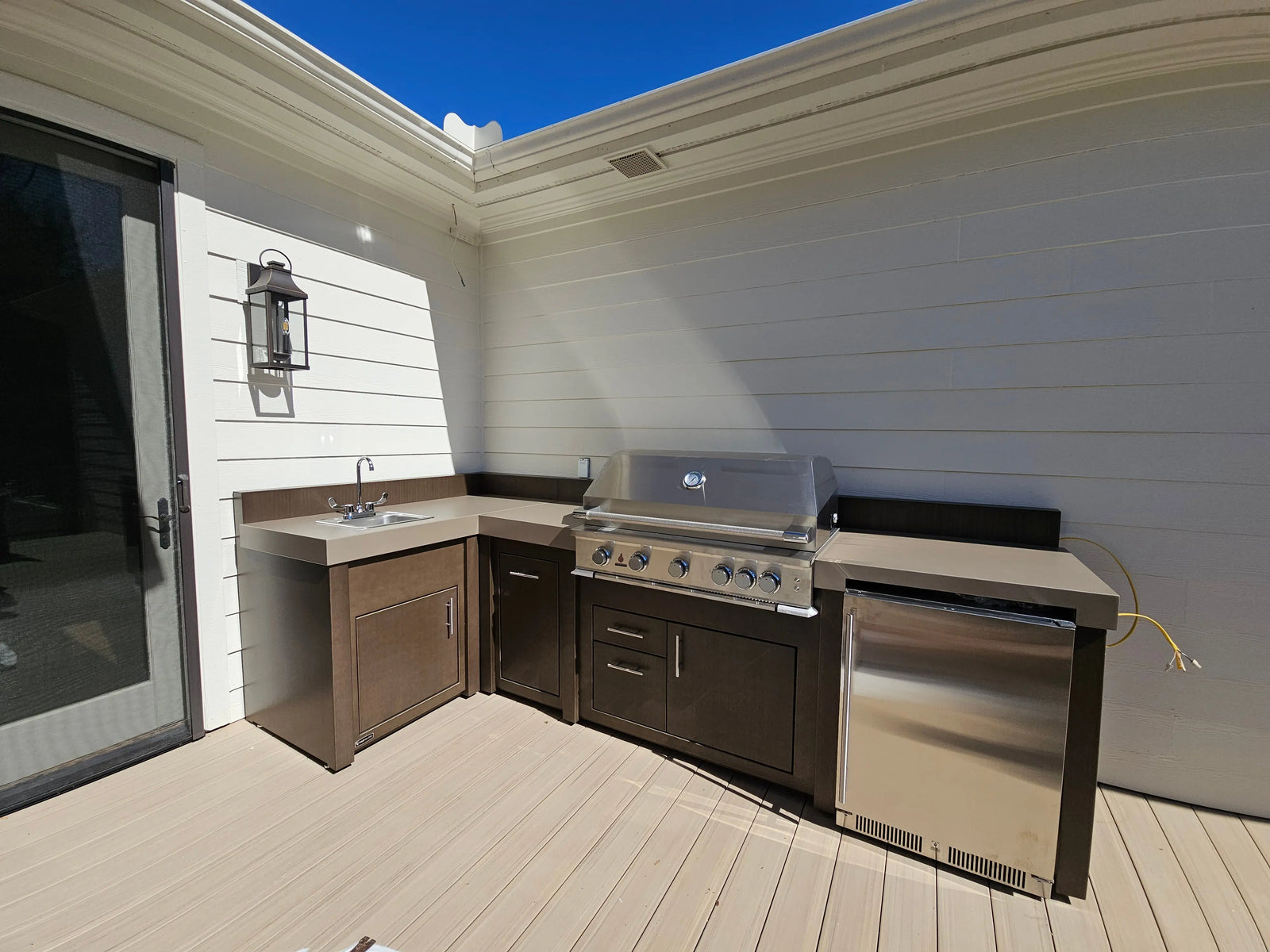
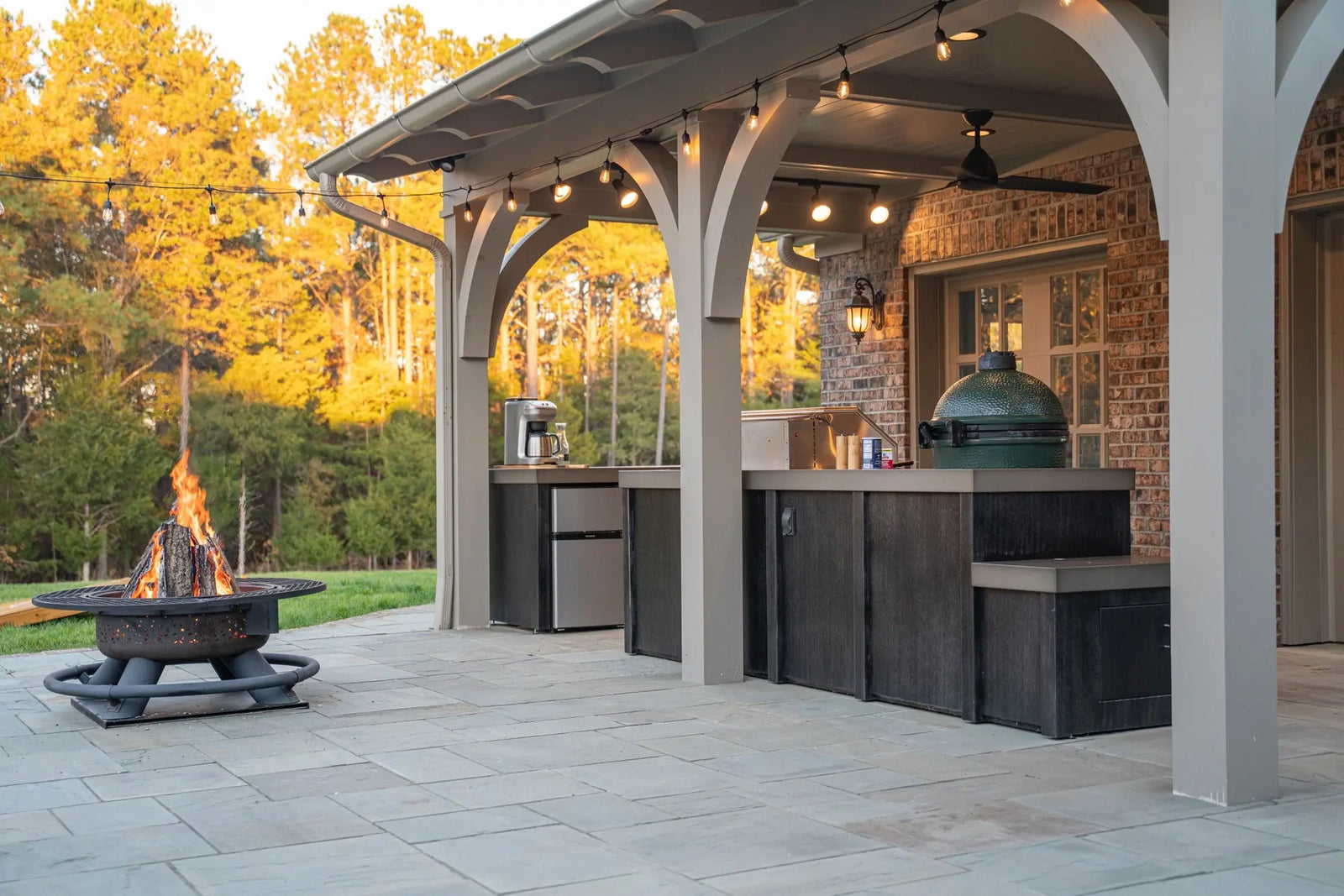
Browse custom outdoor kitchen configurations and outdoor kitchen grill islands built to house grills like these.
Ready to upgrade your outdoor cooking game? Discover premium Coyote grills designed to deliver superior heating performance, heavy-duty durability, and a clean luxury finish for any custom backyard build.
 Liquid Propane
Natural Gas
Liquid Propane
Natural Gas
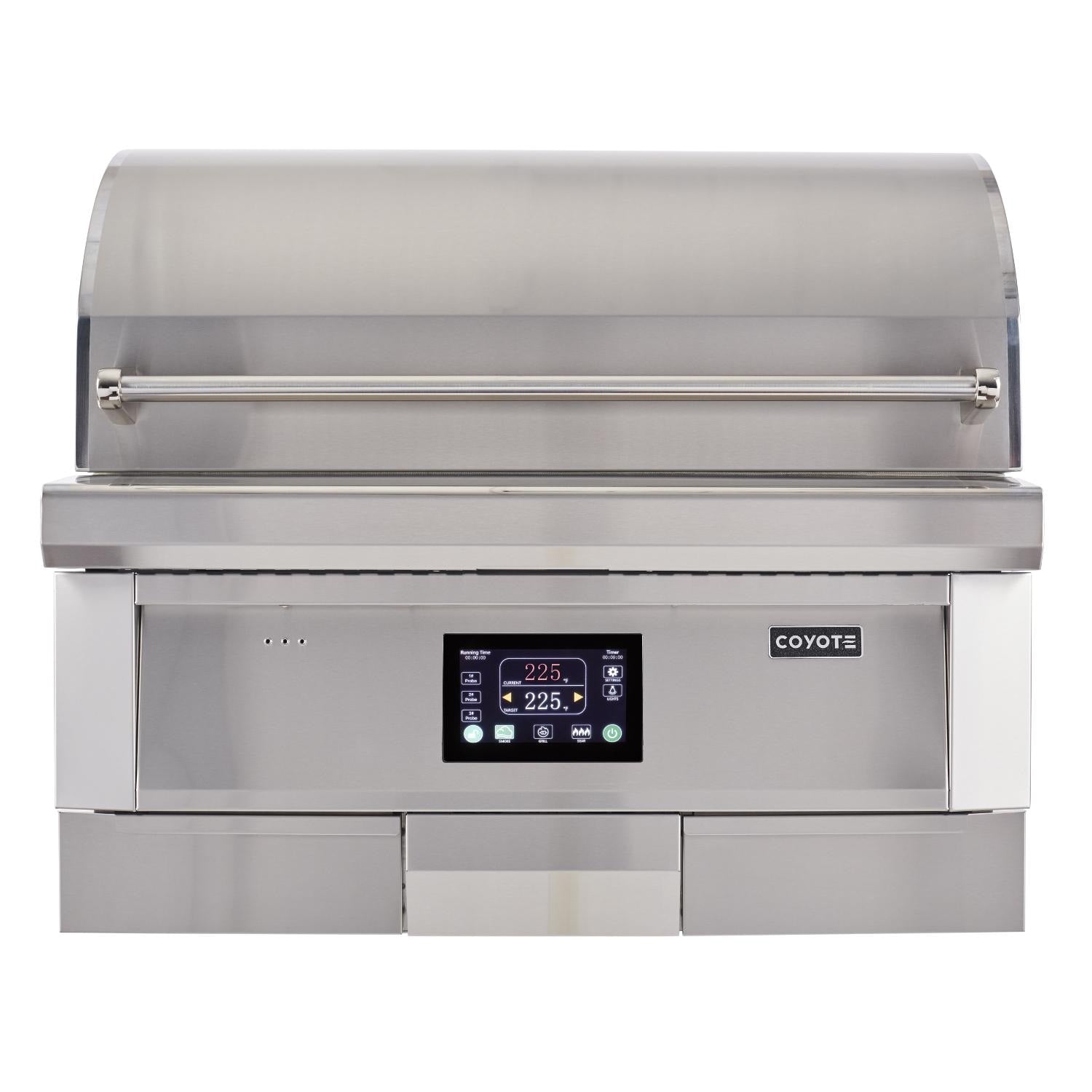 Pellet Fuel
In Coyote's Gen 3 lineup, the CL ("Coyote Luxury") is the mid-tier and the SL is the top tier. The CL Series comes with 20,000 BTU Infinity Burners, backlit knobs, heat zone separators, and an optional sear burner, while the SL Series adds laser-cut grates, a built-in infrared rotisserie burner, an interchangeable sear burner, volcanic stone briquettes, and the signature Coyote Throw Light. In short: the SL is the fully-loaded premium grill (carrying forward the old S-Series role), and the CL sits between it and the entry C-Series.
Yes. Coyote uses 304 stainless steel throughout—burners, firebox, and grids—not just the hood—and backs it with a lifetime warranty on the frame and burners, which is a step above most grills in its price tier. A well-maintained Coyote grill should last 15 to 20 years or more. Independent testers praise the build quality, though Coyote is designed in Dallas and manufactured in Asia, and it's not marine-grade 316 steel so direct oceanfront installs may want a different brand.
Grilling methods that minimize charring and dripping fat onto open flame are generally considered healthiest, since heavy charring and flare-ups can create compounds like HCAs and PAHs. Practical steps: cook at moderate temperatures rather than scorching, avoid burning the meat, trim excess fat to reduce flare-ups, marinate before cooking, and flip food regularly. Grilling vegetables and leaner proteins, and using indirect heat for longer cooks, also helps. This is general information, not medical advice.
The 3-3-3 rule is a simple guideline for grilling steak: sear it 3 minutes on the first side, 3 minutes on the second side, then rotate or move it and cook 3 more minutes (often finishing with a rest), aiming for a good crust and roughly medium doneness on a steak around one inch thick. It's a starting point, not a precise rule—actual times vary with thickness, grill temperature, and your target doneness, so a meat thermometer is still the reliable check.
The Coyote C-Series vs S-Series choice is really about one feature set: the S-Series's infrared RapidSear burner and rotisserie system. If you sear steaks hot or love rotisserie cooking, the S-Series (or its Gen 3 successor, the SL) is worth the premium.
If you grill everyday meals and want genuine Coyote build quality without paying for extras you won't use, the C-Series is the smart, satisfying pick.
My advice after installing both: be honest about how you actually cook. The happiest owners matched the tier to their habits and either way, they ended up with a 304-stainless grill built to anchor an outdoor kitchen for 15-plus years.

As the outdoor living trend continues to thrive, you may be wonder...

How to transform your outdoor space in 5 steps to...