

The best pizza oven for an outdoor kitchen is a built-in, multi-fuel (gas-and-wood hybrid) model that integrates flush into your countertop or island, but the right choice genuinely depends on your budget, how often you'll cook, and whether you're building new or upgrading an existing setup.
A built-in gas oven gives you convenience and clean integration; a wood or hybrid oven gives you flavor and that 900°F restaurant char. I've specced pizza ovens into dozens of outdoor kitchen builds, and the mistake I see most often is people buying the oven after the kitchen is finished. Get the order right, and a pizza oven becomes the showpiece of the whole space. Let's walk through how to choose.
- Best overall for a built outdoor kitchen: a built-in hybrid (gas + wood) oven — convenience plus authentic flavor.
- Gas heats faster and is easier to control; wood delivers better flavor. Hybrid models let you have both.
- Both fuels reach ~900°F safely - there's no meaningful max-temperature difference.
- Cost to integrate a pizza oven runs roughly $1,000-$8,000+, depending on portable vs. built-in and materials.
- Placement matters: put it in its own zone with clearance, heat-safe surroundings, and prep counter beside it.
What Is the Best Built-In Outdoor Pizza Oven?

For a permanent outdoor kitchen, a built-in pizza oven is often the best choice because it integrates seamlessly into the design, offers excellent heat retention, and delivers a true outdoor cooking experience.
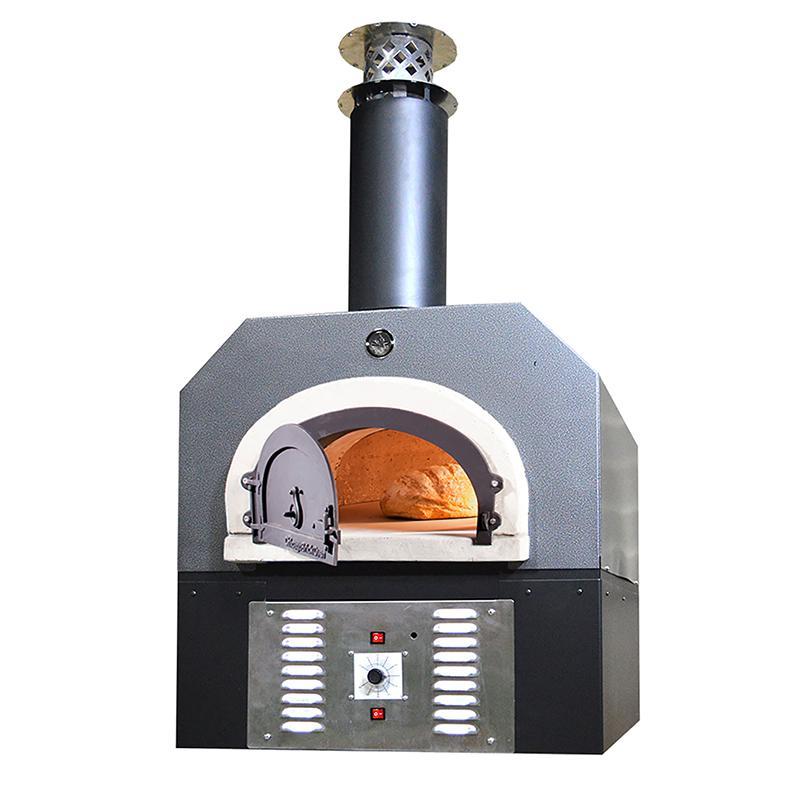
One of the top options is the Chicago Brick Oven 750 Hybrid Gas & Wood Oven. This dual-fuel oven combines the convenience of gas with the authentic flavor and high-heat performance of wood-fired cooking.
The Chicago Brick Oven 750 can reach temperatures exceeding 1,000°F, enabling it to produce restaurant-quality pizzas with perfectly crisp crusts and beautifully charred toppings. Its recommended operating range is 700°F to 800°F, which provides consistent and reliable cooking performance for pizzas, bread, and other baked dishes.
The oven's temperature capabilities vary depending on how you use its dual-fuel system:
- Gas Only: The built-in gas burner can consistently maintain temperatures around 650°F, making it easy to cook without managing a wood fire.
- Hybrid (Gas + Wood): Adding wood to the gas flames allows the oven to quickly climb above 1,000°F delivering the intense heat and flavor associated with traditional wood-fired pizza ovens.
What makes a built-in oven like the Chicago Brick Oven 750 a great choice for an outdoor kitchen?
- Excellent Heat Retention: Its insulated design helps maintain stable temperatures between pizzas, making it ideal for entertaining large groups.
- Seamless Integration: The oven can be built directly into an outdoor kitchen island or countertop, creating a clean, professional appearance.
- Long-Term Durability: Designed for permanent outdoor installation, it is built to withstand the elements and provide years of reliable performance.
For complete specifications and model comparisons, check out the Chicago Brick Oven 750 Hybrid Gas & Wood Oven.
If you're designing the kitchen from scratch, plan the oven into the masonry from day one. Our guide to outdoor kitchen space requirements covers how much room a built-in oven actually needs.
Why a Pizza Oven Is Worth It Right Now
Two trends have made pizza ovens the standout outdoor-kitchen upgrade of the moment.
First, the appliance category has matured. A few years ago your only options were a heavy masonry dome or a cheap tabletop unit. Now there's a clean spectrum from $400 portables to $8,000 built-ins, with reliable multi-fuel models in between.
Second, the math has flipped on delivery. If you're ordering takeout pizza several times a month, an oven pays for itself faster than most people expect, and you'll eat better pizza doing it.
There's also the entertaining factor. A pizza oven turns a gathering into an event: guests top their own pies, the oven runs hot and fast, and the whole thing becomes the centerpiece.
That's something a standard grill can't replicate. If you're weighing this against other appliance upgrades, see how it stacks up in our overview of outdoor pizza ovens.
Built-In vs. Portable: Which is Best for Your Outdoor Kitchen
This is the first real fork in the road.
Built-In Pizza Ovens
Best for: permanent outdoor kitchens, frequent cooking, and a polished look.
A built-in is plumbed (for gas) or set into masonry, becoming part of the kitchen's structure. It offers superior heat retention and a seamless appearance.
The tradeoff is cost and commitment; it doesn't move, and installation often requires a professional.
Portable Pizza Ovens
Best for: smaller spaces, flexibility, and lower upfront cost.
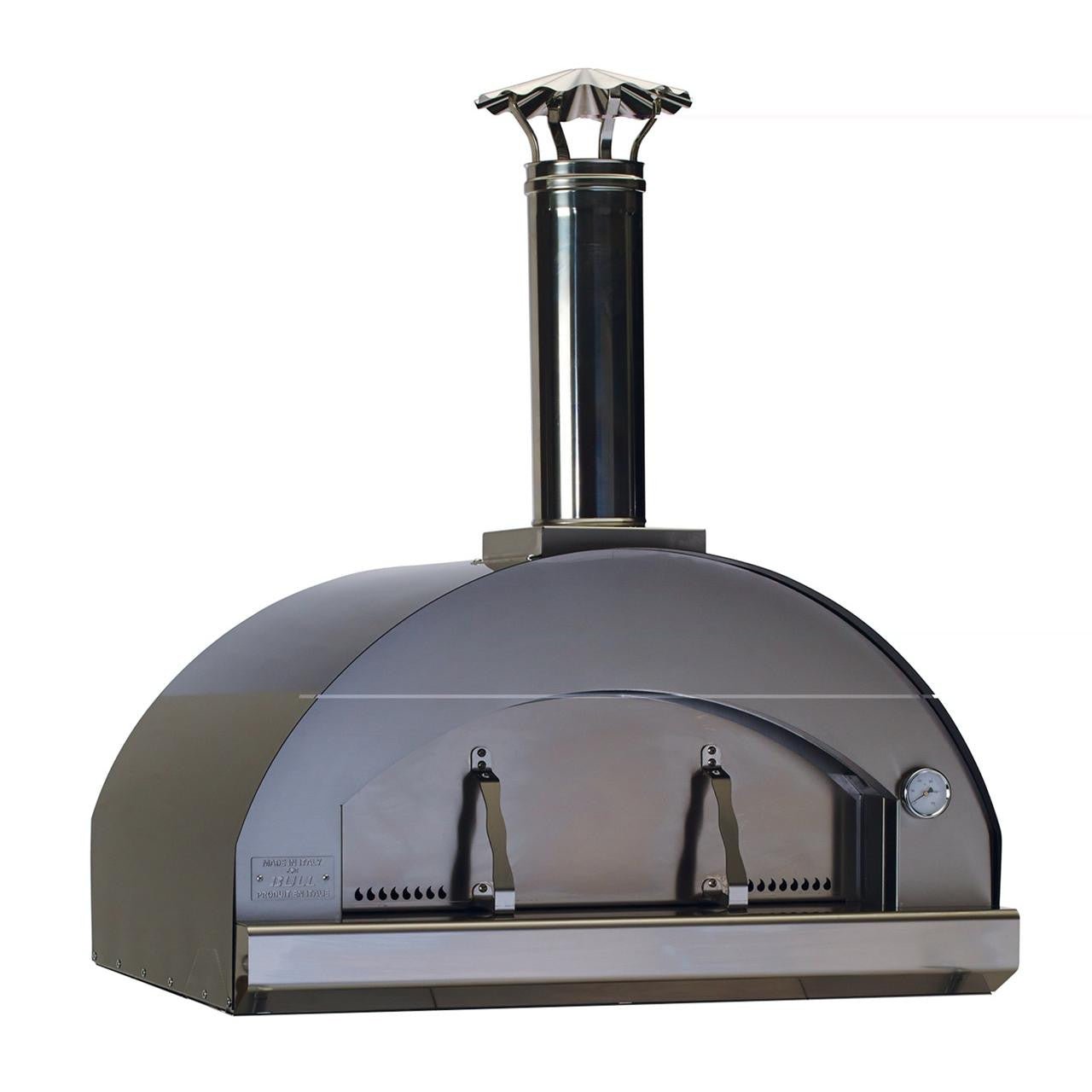
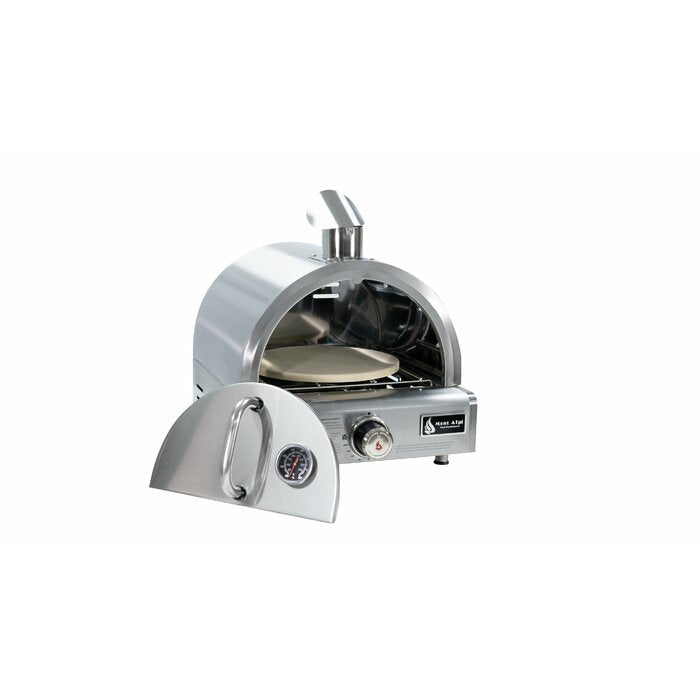
Yes, you can absolutely put a portable pizza oven in an outdoor kitchen. Many people set a Mont Alpi, Bull, or Solo Stove unit onto a dedicated counter section or a heat-rated stand.
Top portable models like the Mont Alpi Portable Table Top Stainless Steel Pizza Oven reach up to 700 degrees and deliver restaurant-quality results. The catch: portables need a stable, heat-safe surface and proper clearance.
They're not as integrated, but they're a fraction of the price and you can take them camping.
| Factor | Built-In Oven | Portable Oven |
|---|---|---|
| Upfront cost | $2,000–$8,000+ | $400–$1,500 |
| Heat retention | Excellent | Good |
| Integration | Seamless | Sits on counter |
| Flexibility | Fixed | Movable |
| Installation | Often professional | Plug-and-play |
For a portable, make sure your counter material can take the heat, our best materials for outdoor kitchen countertops guide covers which surfaces handle a 900°F appliance sitting on top.
Gas vs. Wood vs. Hybrid Pizza Oven: Choosing Your Fuel
This is the question that splits pizza purists from pragmatists. Here's the straight answer from someone who's cooked on all three.
Gas Pizza Oven
Best for: convenience and consistency.
Gas pizza ovens give you more control because it's easier to keep the temperature consistent, and they heat up more quickly. Push a button, wait 20-30 minutes, cook. No fire-tending, no ash cleanup. Once installed, a gas oven typically costs around $1 to $1.25 per hour to run.
Wood Pizza Oven
Best for: flavor and authenticity.
The use of wood allows the smoke from burning hardwoods to become infused in your food, providing variety in flavor, and wood-fired ovens generally have a faster cook time once hot. The tradeoff: you feed the fire to hold temperature, and there's ash to clean after each cook.
Hybrid Pizza Oven (My Top Recommendation)
Best for: people who don't want to choose.
Many ovens are hybrid, so you can cook with gas or wood whenever you fire up the oven, the best of both worlds. Use gas on a busy Tuesday, switch to wood when you want flavor and have time to play. For an outdoor kitchen you'll keep for a decade, the small upcharge for hybrid is the smartest money you'll spend.
If you're running a gas model, your fuel-line decision matters, see our propane vs natural gas grill breakdown, which applies equally to gas ovens.
How Much Does It Cost to Build a Pizza Oven Into an Outdoor Kitchen?

Cost varies widely depending on the oven type and its level of integration. Here's a realistic breakdown.
| Setup Type | Typical Total Cost |
|---|---|
| Portable oven on existing counter | $400–$1,500 |
| Drop-in/built-in oven + basic masonry surround | $2,500–$5,000 |
| Full built-in with custom stone enclosure | $5,000–$8,000+ |
| Gas line installation (if needed) | $200–$1,200 extra |
The highest hidden cost is the surroundings and any gas lines. Gas ovens require professional installation; consult a plumber or qualified professional. If a gas line isn't already at the kitchen, budget for that separately.
To keep your project on budget, fold the oven into your overall plan rather than bolting it on later. Our outdoor kitchen cost guides show where a pizza oven fits in the bigger picture, and the custom outdoor kitchen collection shows configurations that include oven cutouts.
Where to Place a Pizza Oven in Your Layout

Placement makes or breaks the experience. A pizza oven runs hot, 900°F at the mouth, so it needs its own well-considered zone.
My placement rules from years of installs:
Give it a dedicated heat zone
Keep the oven away from the fridge, beverage center, and seating. Heat-producing appliances belong grouped together, away from cold-storage and prep. Our outdoor kitchen zoning guide breaks this down.
Put prep counter directly beside it
You need a landing spot for peels, raw pies, and finished pizzas. At least 18-24 inches of heat-safe counter on the launch side.
Mind the clearances
Built-ins need ventilation clearance around the dome and combustible-material setbacks per the manufacturer. Never box a hot oven into a tight, unventilated cavity.
Consider overhead cover carefully
If it's under a pergola or roof, you need adequate height and heat clearance. See our best roofing and pergola options for outdoor kitchens.
Keep it in the social flow but out of the traffic path
Guests love watching pizza cook, but nobody should brush against a 900°F oven mouth while walking by.
For tighter spaces, an L-shaped or modular island can dedicate one leg to the oven. Browse modular outdoor grill islands and L-shaped BBQ islands for layouts that cleanly accommodate an oven.
Outdoor Kitchen Layout & Workflow Map
Common Mistakes and Misconceptions
After specifying many of these ovens, here are the mistakes I see most often:
- Buying the oven last: Plan it into the masonry and gas layout from the beginning, or you may end up paying for costly retrofits later.
- Believing wood always tastes dramatically better: A hot gas oven can make excellent pizza. The flavor difference is real, but it is often smaller than purists claim. Most crust char comes from high cooking temperatures, not the fuel source.
- Undersizing the surrounding counter space: Without a proper landing zone, launching and removing pizzas becomes a juggling act.
- Ignoring heat clearance requirements: Installing a hot oven in an unventilated enclosure creates fire hazards and may void the warranty. Always follow the manufacturer's clearance guidelines.
- Placing a portable oven on a non-heat-rated surface: Some wood and composite countertops can scorch under high heat. Make sure your countertop material is rated for the temperatures involved. See our outdoor kitchen design mistakes guide for more common pitfalls to avoid.
Step-by-Step: How to Choose Your Pizza Oven for an Outdoor Kitchen
Use this simple framework to find the right pizza oven in minutes:
Choose built-in or portable
Permanent outdoor kitchen and frequent use: built-in.
Smaller space, flexibility, or lower budget: portable.
Choose your fuel type
Convenience: gas.
Traditional flavor and experience: wood.
Best of both worlds: hybrid (my default recommendation).
Set a realistic budget
Include the oven, installation materials, and any required gas line work.
Portable ovens typically cost $400 to $1,500.
Built-in ovens typically cost $2,500 to $8,000 or more.
Confirm placement and clearances
Create a dedicated cooking zone.
Leave prep space beside the oven.
Follow ventilation and clearance requirements.
Match the oven to your kitchen design
If you're building a complete outdoor kitchen, incorporate the pizza oven into the design from the start, not as an afterthought.
You may want to shop our top Outdoor Pizza oven:
Discover our carefully vetted selection of high-heat pizza ovens, ranging from highly versatile dual-fuel built-ins to compact, high-performance portable countertops engineered to fit seamlessly into your outdoor living space[cite: 6].
Keep Reading:
Frequently Asked Questions
What is the best built-in outdoor pizza oven?
For a permanent outdoor kitchen, a built-in hybrid (gas + wood) oven from a dedicated brand like Fontana Forni is the strongest all-around choice. These ovens reach 900°F, are built to last well over a decade, and hybrid models let you cook with gas or wood whenever you fire up. Built-ins offer better heat retention and seamless integration than countertop units, which matters most for frequent cooking and entertaining.
Can you put a portable pizza oven in an outdoor kitchen?
Yes. Portable ovens like the Mont Alpi work well on a dedicated, heat-safe counter section or stand within an outdoor kitchen. These models reach up to 950 degrees and deliver restaurant-quality results. Just ensure the surface is rated for high heat and the oven has proper clearance from combustibles. It's a flexible, lower-cost alternative to a built-in.
Is wood or gas better for an outdoor pizza oven?
Neither is universally "better" it depends on priorities. Gas gives you more control and a more consistent temperature, and it heats up faster, while wood infuses smoke flavor and offers faster cook times once hot. Both reach roughly 900°F. For most outdoor kitchens, a hybrid oven is the best answer because it lets you cook with either fuel, depending on the occasion.
How much does it cost to build a pizza oven in an outdoor kitchen?
Expect roughly $400-$1,500 for a portable on an existing counter, $2,500-$5,000 for a built-in with a basic surround, and $5,000-$8,000+ for a full custom stone enclosure. A gas line install, if needed, adds $200-$1,200. The biggest variables are the oven tier, the masonry/surround, and whether gas plumbing is already in place.
Where should a pizza oven be placed in an outdoor kitchen layout?
Place it in a dedicated hot zone, grouped with other heat-producing appliances and away from the fridge and seating. Put 18-24 inches of heat-safe prep counter directly beside the launch side, follow the manufacturer's ventilation and combustible-setback clearances, and keep it visible to guests but out of the main walking path. Proper outdoor kitchen zoning makes the whole kitchen safer and more functional.
The Bottom Line
The best pizza oven for an outdoor kitchen is the one matched to how you'll actually use the space: a built-in hybrid for the dedicated home chef who wants flavor and convenience, a quality portable for flexibility and a smaller budget, and gas or wood depending on whether you value ease or authenticity.
Get the fuel, placement, and clearances right, and the oven becomes the heart of the whole kitchen. My advice after countless builds: plan the oven into your kitchen from the start, spend the small upcharge for a hybrid, and give it a proper hot zone with prep space beside it.
Do that, and you'll be pulling 900°F Neapolitan pies for years.


