A fire pit that gets used and never cleaned rusts out fast. One that gets ten minutes of care after every fire lasts for years.
Fire pit maintenance really comes down to three habits: clearing ash, keeping it dry, and storing it properly through the off-season. This guide walks through the exact steps, plus which wood-burning fire pits hold up with the least amount of fuss.
Fire pit maintenance is more than scooping out ash. It includes regular inspection, correct storage, and using the right materials so damage doesn't creep up on you.
Wood-burning fire pits need more frequent ash removal and airflow checks. Gas fire pits need the burner and ignition system kept clean instead. Either way, keeping up with the basics is what makes a fire pit burn cleaner and last longer.

You don't need anything fancy here, just a handful of reliable basics.
| Task | Tool Needed | Why It Matters |
|---|---|---|
| Ash removal | Metal scoop or shovel | Safe and easy cleanup |
| Scrubbing | Stiff brush | Removes soot and buildup |
| Rust removal | Sandpaper or steel wool | Prevents corrosion from spreading |
| Deep cleaning | Mild soap | Protects the surface finish |
Cleaning is the single most important habit in fire pit maintenance. Done right, it improves airflow, cuts down on smoke, and keeps the fire pit safe to use.
Always wait until the ashes are completely cool. Scoop them into a metal container, never plastic, and keep ash levels low so airflow stays clear.
Rust vs. PatinaNot every dark or reddish surface is a problem. Some steel fire pits are built with an intentional iron oxide patina that darkens over time by design, and that's different from corrosion eating into thin sheet metal. Check with the manufacturer before you sand anything off.
Material makes the biggest difference in how much upkeep a fire pit actually needs. These two Fire Pit Art models sit at opposite ends of that spectrum, one engineered to resist corrosion entirely, the other designed around an intentional weathered patina.
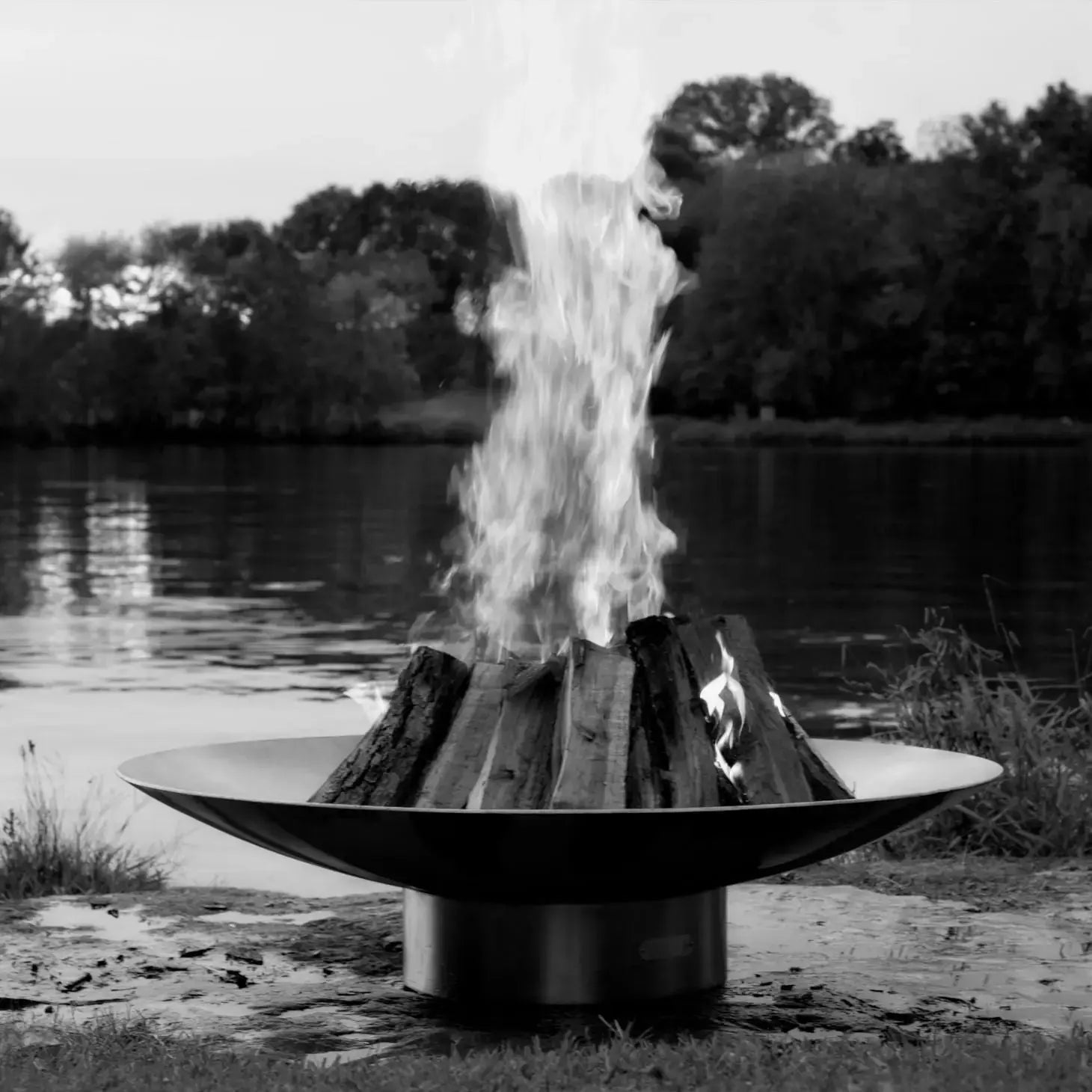
$3,602.00 – $9,294.00
Built from 304 stainless steel specifically for corrosion resistance. Genuinely low maintenance, and safe to leave outside year round.
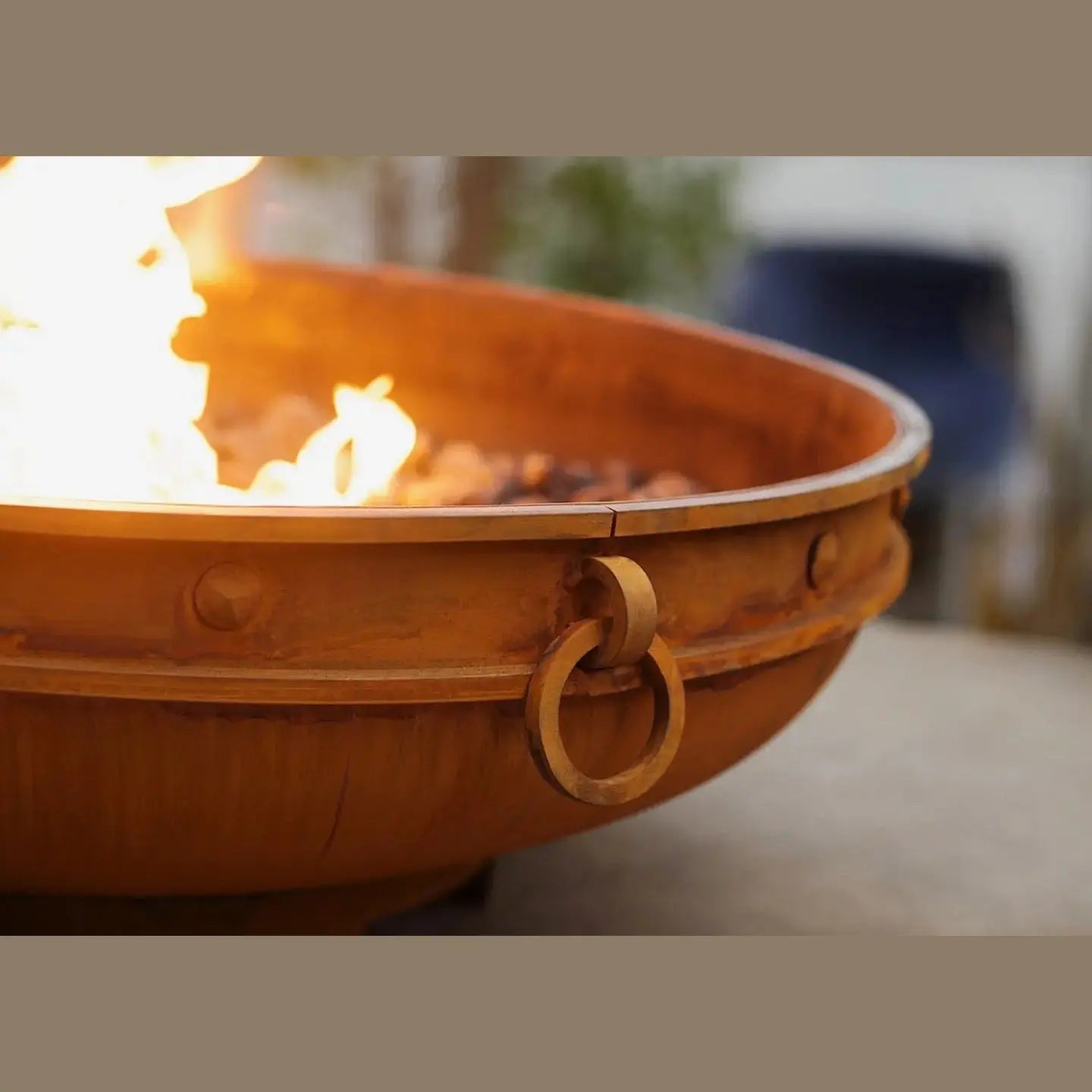
$1,854.00 – $6,990.00
Heavy 1/4" steel with an intentional iron oxide patina finish that darkens with use instead of needing to be prevented.
| Do | Don't |
|---|---|
| Use dry, seasoned wood | Burn trash or treated wood |
| Keep it covered when not in use | Let ash pile up too high |
| Maintain proper airflow | Ignore small cracks or rust spots |
A base of gravel or lava rock can improve airflow and protect the bottom of the pit. Check your manufacturer's recommendations before adding sand, since some designs trap moisture underneath and develop rust as a result.
| Season | Task | Goal |
|---|---|---|
| Spring | Deep clean and inspect | Remove winter damage |
| Summer | Frequent cleaning | Handle heavier use |
| Fall | Prep and inspect | Get ready for peak season |
| Winter | Cover and store | Prevent weather damage |
If you're building out the full space around it rather than just replacing the fire pit itself, an outdoor living package bundles the layout and furniture together in one order instead of several separate purchases.

| Problem | Likely Cause | Fix |
|---|---|---|
| Smoke issues | Ash buildup blocking airflow | Clear ash and check vents |
| Rust and corrosion | Moisture left on the surface | Clean, dry, and apply a protective coating |
| Gas ignition issues | Debris in the burner or connections | Clear debris and inspect connections |
| Cracks | Age or thermal stress | Repair small cracks early before they spread |
| Material | Average Lifespan | Maintenance Level |
|---|---|---|
| Steel | 3 to 7 years | Moderate |
| Cast iron | 5 to 10 years | High care needed |
| Stone or brick | 10+ years | Low to moderate |
| 304 stainless steel | 10+ years | Low with proper care |
Actual lifespan varies with climate, how often you use it, and how consistent your maintenance is. If you're planning a fully custom setup rather than a standalone unit, you can design your own fire feature around the material and finish that fits your climate best.
Durable, easy-care furniture around the fire pit matters just as much as the fire pit itself. Both of these teak pieces are built to take regular outdoor wear.
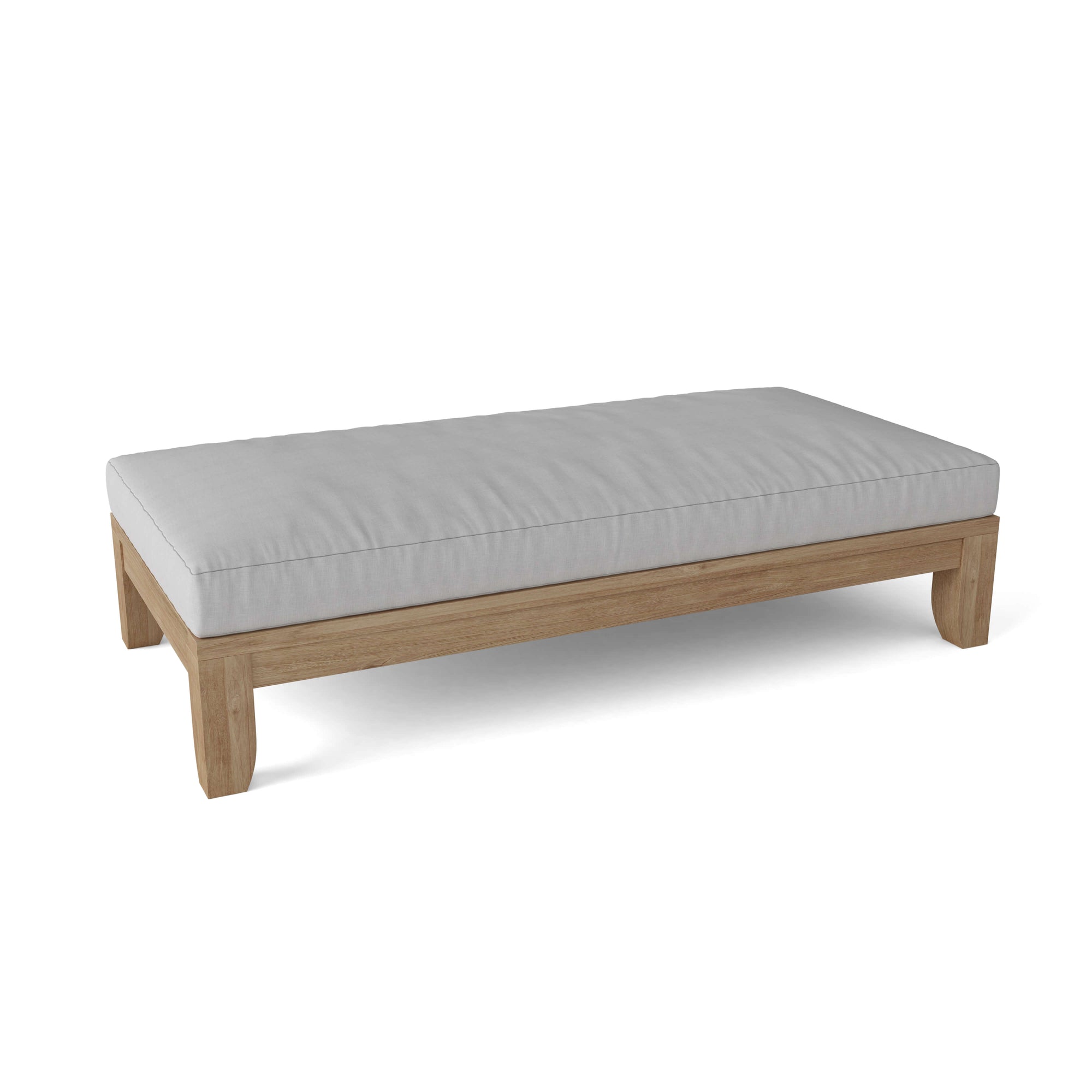
$1,800
A-grade teak with Sunbrella cushions that resist UV fading and mildew, so it needs almost no upkeep of its own.
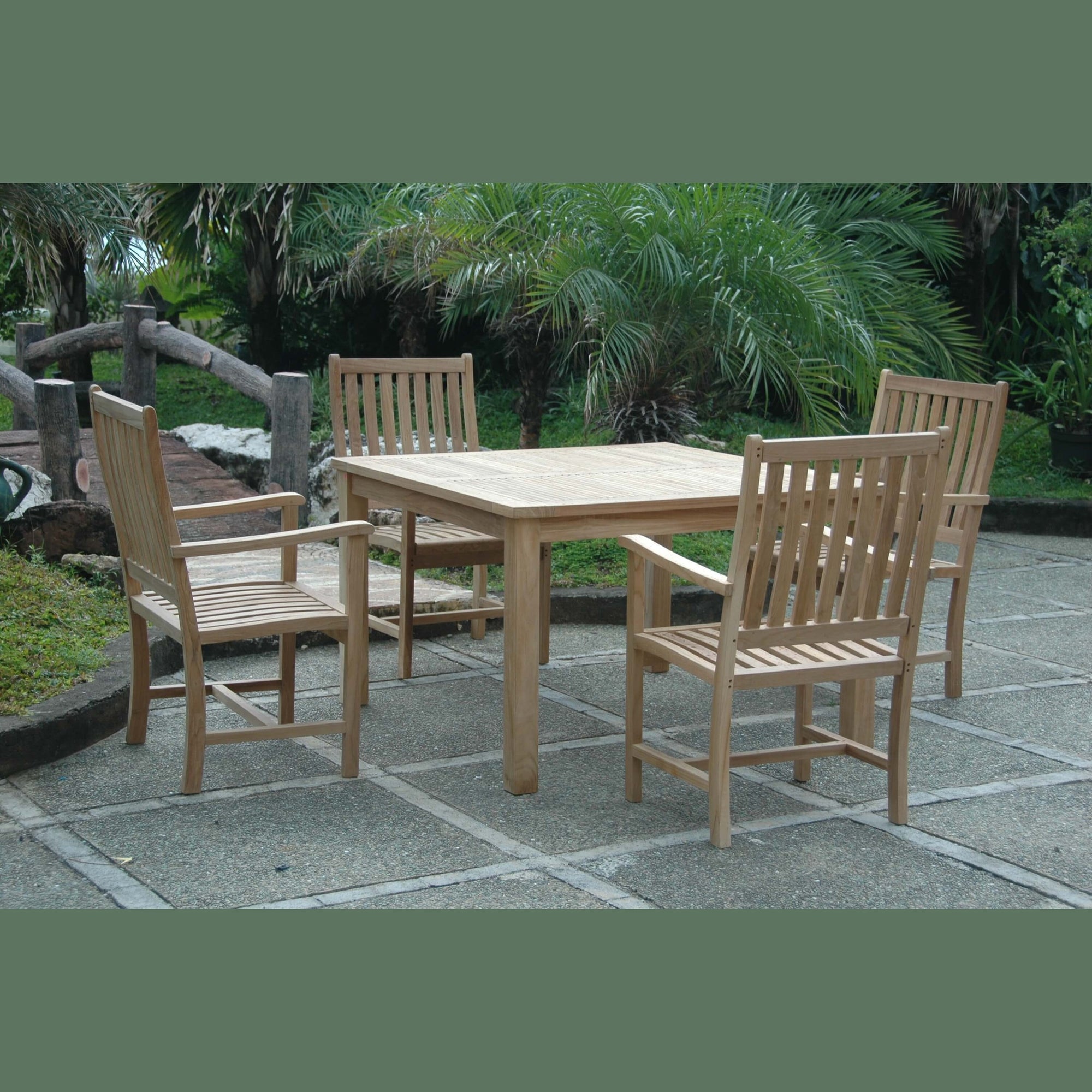
$3,600
Kiln-dried Grade A teak that holds up to weather with minimal cleaning, ideal for a larger group around a bigger fire pit.
An outdoor rug underneath the seating helps define the gathering space and keeps debris from tracking as far from the fire pit itself.
Fire pit maintenance doesn't have to be complicated. Clear the ash, keep it dry, cover it between uses, and store it properly through the off-season. Stay consistent with those habits and a well-built fire pit will keep working like new for years.
Store it in a dry, covered area when it won't be used for a while. If indoor storage isn't an option, a weather-resistant cover protects it from rain and moisture. Make sure it's completely clean and dry first, and elevating it slightly helps prevent ground moisture damage.
No. Fires can spread or reignite unexpectedly, especially in windy conditions. Always fully extinguish the fire before leaving it unattended to keep your outdoor space safe.
You can, but do it carefully. Sudden cooling can crack some materials. It's better to let the fire burn down naturally when you can, and if you do use water, make sure everything dries fully afterward to prevent rust.
Sand, gravel, or lava rocks are common choices. They protect the base, improve airflow, and make cleanup easier by separating ash from the main surface. Always check what your specific fire pit's manufacturer recommends first.
It depends on how often you use it. Light use only needs occasional cleaning, while frequent use calls for more regular care. Remove ash every few uses to maintain airflow, and do a deeper clean at least once a month.
Most fire pits handle occasional rain fine, but constant moisture causes rust and damage over time. A cover helps protect it, and drying it off after it gets wet makes a real difference.
Keeping it dry is the most effective step. Use a cover when it's not in use, store it somewhere sheltered if you can, and clean off moisture and ash regularly. A protective coating adds another layer of defense.

As the outdoor living trend continues to thrive, you may be wonder...

How to transform your outdoor space in 5 steps to...