A sunroom design guide is only useful if it starts where the real decisions happen — with light, materials, and how the space connects to the rest of your home.
Sunrooms are not standard rooms. They face more UV exposure, wider temperature swings, and more humidity than any interior space in the house. The colors, materials, and decor you choose have to work with those conditions, not against them. This guide covers everything from choosing a color palette that holds up in direct sun to selecting furniture materials that last — so your sunroom looks as good in year five as it did on day one.
- Decide how you'll use your sunroom and choose colors that work with the natural light at different times of day
- Pick furniture and materials that can take sun exposure and temperature changes, but still fit your style
- Skip mistakes like crowding the space, blocking sunlight, or picking materials that fade fast
Sunroom Design Guide: Where to Start Before You Decorate

The smartest sunroom design starts with what's already there. Before you start painting or picking out fabrics, take a good look at the room's structure, how the light moves, and how it connects to your house. That foundation guides everything else.
How to Read Your Sunroom Before Choosing Colors or Materials
Figure out what kind of sunroom you're working with. A three-season sunroom doesn't have full insulation or heat, so your materials need to handle wild temperature swings. A four-season sunroom stays climate-controlled, so you've got more freedom with fabrics and finishes.
Notice your roof. A gabled roof gives you height and dramatic light. A flat or shed roof means more even light all day.
Count the window walls. Most sunrooms have three glass walls, but a solarium or conservatory might have glass everywhere — even the ceiling, with skylights.
Check your floors. Concrete, tile, or sealed wood handle sun differently than carpet, which changes what rugs and furniture work best.
Measure the room — both the floor and the ceiling height. That'll tell you what size furniture makes sense and how many little zones you can squeeze in.
How Light Direction Sets the Foundation for Every Design Decision
South-facing sunrooms soak up strong sunlight for most of the day. You'll want UV-resistant fabrics, fade-proof materials, and maybe some cooling tricks like solar shades.
East-facing rooms get bright mornings and cooler afternoons — perfect for breakfast or a gentle reading spot. You can go bolder with color and don't have to worry as much about fading.
West-facing sunrooms really heat up late in the day. Adjustable window treatments are your friend here. Lighter wall and floor colors help bounce heat away.
North-facing rooms get soft, even light. They don't need much sun protection, but can feel chilly — so warm paint colors and cozy textiles help a ton.
Watch how shadows move in your sunroom layout at different times. That'll show you where plants will thrive and which spots are best for seating or storage.
| Sunroom Orientation | Light Quality | Design Priority |
|---|---|---|
| South-facing | Strong, all-day sun | UV-resistant fabrics, solar shades |
| East-facing | Bright mornings, cool afternoons | Bold colors, minimal fade protection |
| West-facing | Intense afternoon heat | Adjustable shading, light colors |
| North-facing | Soft, even, indirect | Warm paint tones, cozy textiles |
How to Match Your Sunroom Style to the Rest of Your Home
Walk from your sunroom into the next room. Does it feel like a natural flow? If your house is full of warm wood, echo that in your sunroom furniture or trim.
If you've got a conservatory style or traditional sunroom, keep it in tune with your home's vibe. Victorian? Think ornate metal or classic wicker. More modern? Go for clean lines and unfussy materials.
Match the mood. If your living room is relaxed, outdoor-inspired furniture will feel right in your sunroom. If it's more formal, structured seating with refined fabrics will blend better.
Floors don't have to match, but they should feel related in color temperature and style. Tile can flow from a kitchen; wood-look floors connect with hardwood elsewhere.
Pull two or three colors from your main rooms into your sunroom construction and decor. That keeps things cohesive without being cookie-cutter. Use similar metal finishes on lights and hardware, too.
Sunroom Color Ideas That Work With Natural Light

Natural light changes color, so your sunroom color scheme has to play along. The best colors balance warmth and coolness, and help avoid glare and weird color shifts.
Best Neutral Color Palettes for a Bright, Airy Sunroom
Neutrals are the backbone of sunroom color because they don't get harsh or washed out in strong light.
Warm neutrals — think soft beiges, creamy whites, and light taupes — work best in north-facing sunrooms with cool, indirect light. Benjamin Moore's White Dove or Edgecomb Gray add just enough warmth without looking yellow.
Cool neutrals — like light grays, greiges, and crisp whites — balance out south-facing sunrooms that get hot sunlight all day. Sherwin Williams Pure White stays neutral in direct sun and avoids looking stark.
For a modern sunroom design, try a three-color neutral palette: main wall color, a mid-tone for big furniture, and a single accent. It gives depth but keeps the look clean and simple.
How to Use Bold and Accent Colors Without Overwhelming the Space
Bold colors get even bolder in sunlight, so use them with care.
Pick nature-inspired accent colors that echo what you see outside — sage greens, dusty blues, soft peaches. They feel like they belong there.
Start with bold colors on small, movable things — pillows, a side table, or some accessories. See how they look as the light changes before you go bigger.
If you want a punchier look, paint just one accent wall. Pick the wall with the least direct sun to avoid fading and glare. In a modern sunroom, something like Sherwin Williams Sea Salt or Benjamin Moore Palladian Blue adds personality without taking over.
How to Choose Paint, Fabric and Finish Colors That Hold Up in Sun
Sunlight can wreck certain colors and finishes, so durability matters as much as looks.
For walls, eggshell or satin finishes reflect light nicely and are easy to clean. High-gloss? Skip it — too much glare.
For fabrics, you need UV resistance. Solution-dyed acrylics in medium tones are a good bet. Lighter fabrics like beige, light gray, or soft blue last longer than deep reds or navy, which show fading fast.
Always test your colors in the room before you commit. Paint big sample boards and move them around as the sun shifts. You'll see how the color changes and avoid expensive mistakes.
Best Materials for Sunroom Furniture and Decor
Sunroom furniture has to stand up to sunlight, temperature swings, and humidity — and still look good. Wicker, rattan, metal, and wood all have their own strengths. Mixing materials is doable, but you've got to pay attention to texture, color, and how heavy things feel.
Wicker and Rattan: When and Why They Work in a Sunroom
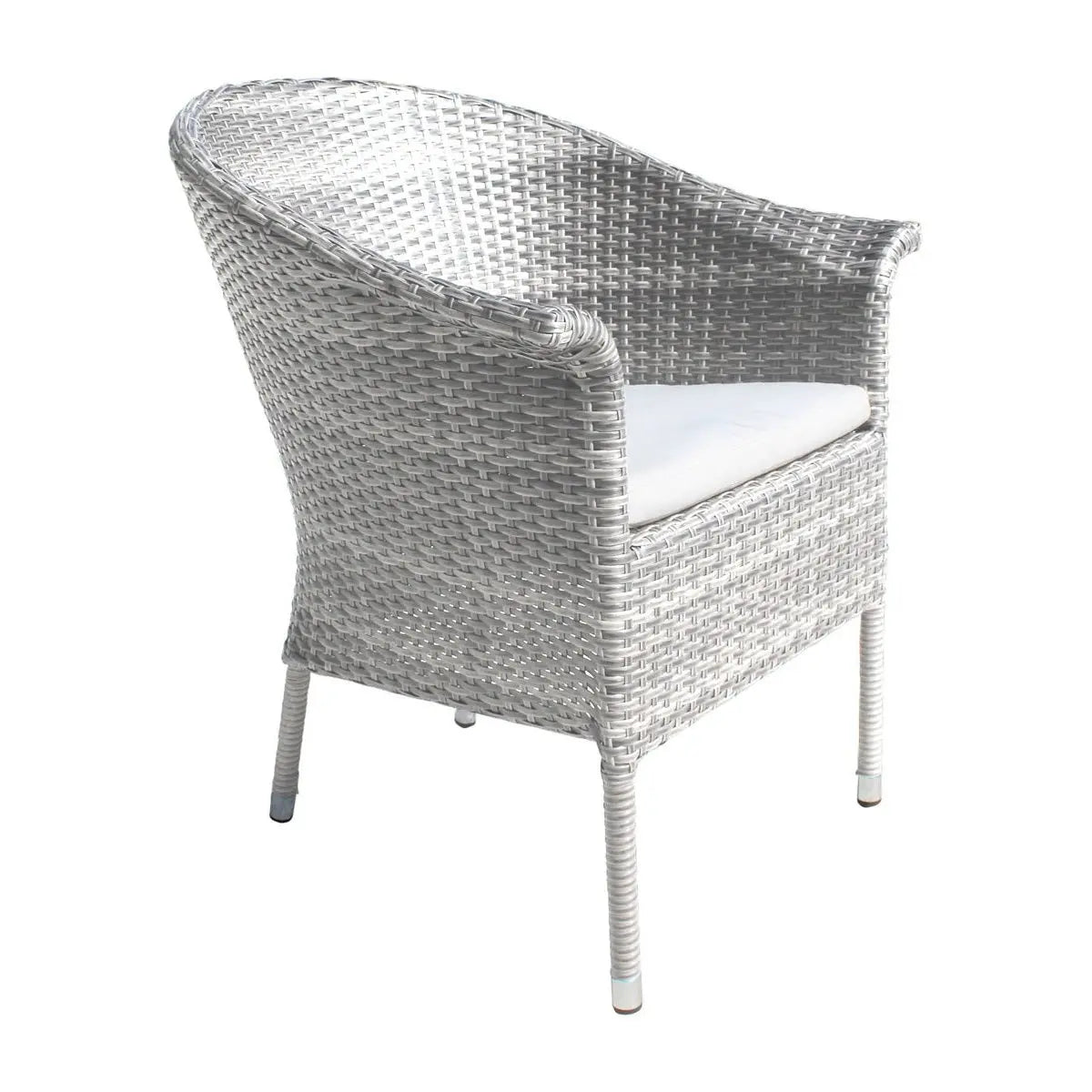
Wicker and rattan bring a laid-back, natural vibe to sunrooms — especially when you've got good climate control. These materials shine in rooms with low-e glass or triple-glazed windows that keep UV and temperature swings in check.
Natural rattan isn't waterproof and can rot if it gets damp, so only use it in four-season sunrooms with steady climate control. Synthetic all-weather wicker stands up to humidity and sun way better. It won't fade or crack from temperature changes, which is a relief if you don't want to baby your furniture.
| Material Type | Best Sunroom Conditions | Maintenance Needs |
|---|---|---|
| Natural Rattan | Climate-controlled, low humidity | Dust often, keep dry |
| Natural Wicker | Moderate sun exposure | Clean monthly, use protectant |
| Synthetic Wicker | High humidity, direct sun | Wipe with damp cloth |
Don't put wicker furniture right next to sliding glass doors where condensation is likely. Natural wicker needs a UV-protectant spray every so often to keep it from getting brittle.
Aluminum, Wood and Upholstered Options Compared
Powder-coated aluminum furniture is tough, resists rust, and stays cool even in direct sun. It's light, so you can move it around easily, and the frames need barely any maintenance.
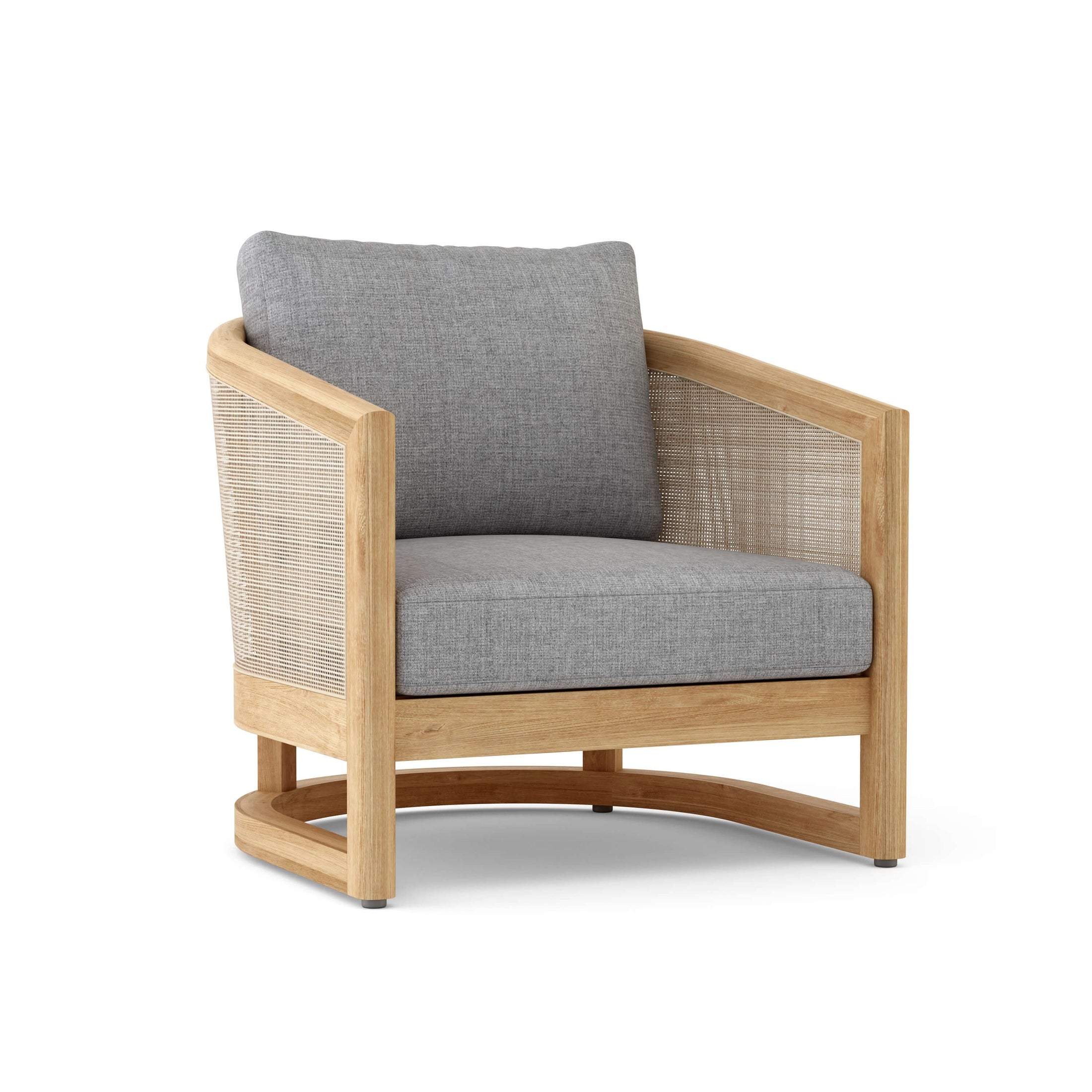
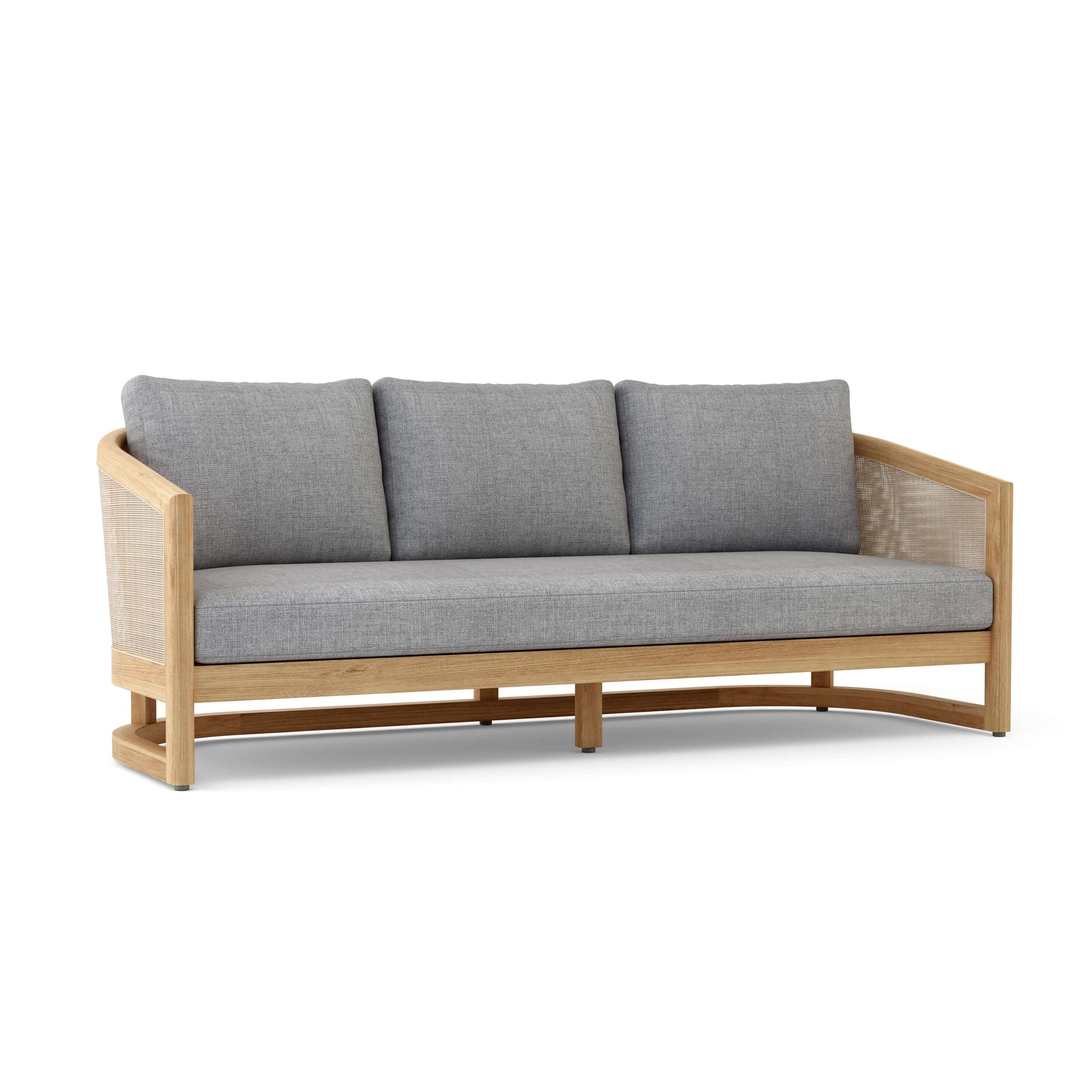
Teak wood brings in a warm, classic feel. Its natural oils keep it safe from moisture and bugs, but you'll want to oil it once or twice a year to keep the color. Other hardwoods work too if you seal them regularly.
Upholstered pieces hold up best when you use solution-dyed acrylic or outdoor polyester fabrics — think Sunbrella. Indoor fabrics just can't handle the sun, even behind low-e glass. Memory foam or 1.8 lb density foam cushions keep their shape better with temperature swings.
| Material | UV Resistance | Weight | Temperature Tolerance |
|---|---|---|---|
| Powder-Coated Aluminum | Excellent | Light | Stays cool |
| Teak Wood | Very Good | Heavy | Stable |
| Solution-Dyed Fabric | Excellent | N/A | Colorfast |
Match your furniture finish to your vinyl frames or molding for a pulled-together look.
How to Mix Sunroom Materials Without Losing Cohesion
Pick one main material for your biggest pieces — like a sofa or table. Then layer in accents from other materials to keep things interesting, but not messy.
Try metal frames with wood accents, or a wicker side table next to an upholstered chair. Stick to three main colors. That way, you get texture and variety, but the room still feels unified.
Use wainscoting or molding as a cue for furniture finishes. White or light aluminum chairs go with almost any wall treatment. Deep teak or walnut pairs well with classic trim.
Spread out heavy and light materials. If your dining set is chunky wood, balance it with lighter wicker or aluminum chairs elsewhere so the room doesn't feel lopsided.
- Keep metal finishes consistent (all brushed or all glossy)
- Repeat each material at least twice in the space
- Let fabric patterns tie different furniture materials together
- Stick with similar leg styles, even as you mix materials
Glass tabletops work with any frame and help bounce light around, which is always a plus in a sunroom.
Looking for the warmth and texture of wicker in your sunroom? Explore our wicker sunroom furniture collection for pieces that bring natural style and lasting durability together.
Sunroom Decorating Ideas That Feel Intentional
Decorating is where a sunroom really comes alive. Soft textiles, a few plants, and flexible lighting go a long way to make the space feel like somewhere you actually want to hang out. If you want a shortcut to a cohesive look, collections like the Panama Jack Sanibel Collection pull together fade-resistant performance fabrics, UV-resistant resin wicker, and classic lines that work in most sunroom styles — all at a price that's reasonable (think $800 to $2,500 for a conversation set).
How to Layer Textiles, Rugs and Cushions for a Comfortable Sunroom
Start with a tough outdoor rug — even inside. Polypropylene or treated natural fibers stand up to sun without fading fast, so you won't regret skipping indoor-only options.
Toss cushions of different sizes across your seating. Mix up 20-inch squares with 12x20-inch lumbars for some visual play. Stick with fade-resistant fabrics like Sunbrella or solution-dyed acrylics — these actually keep their color, even after months of sun exposure.
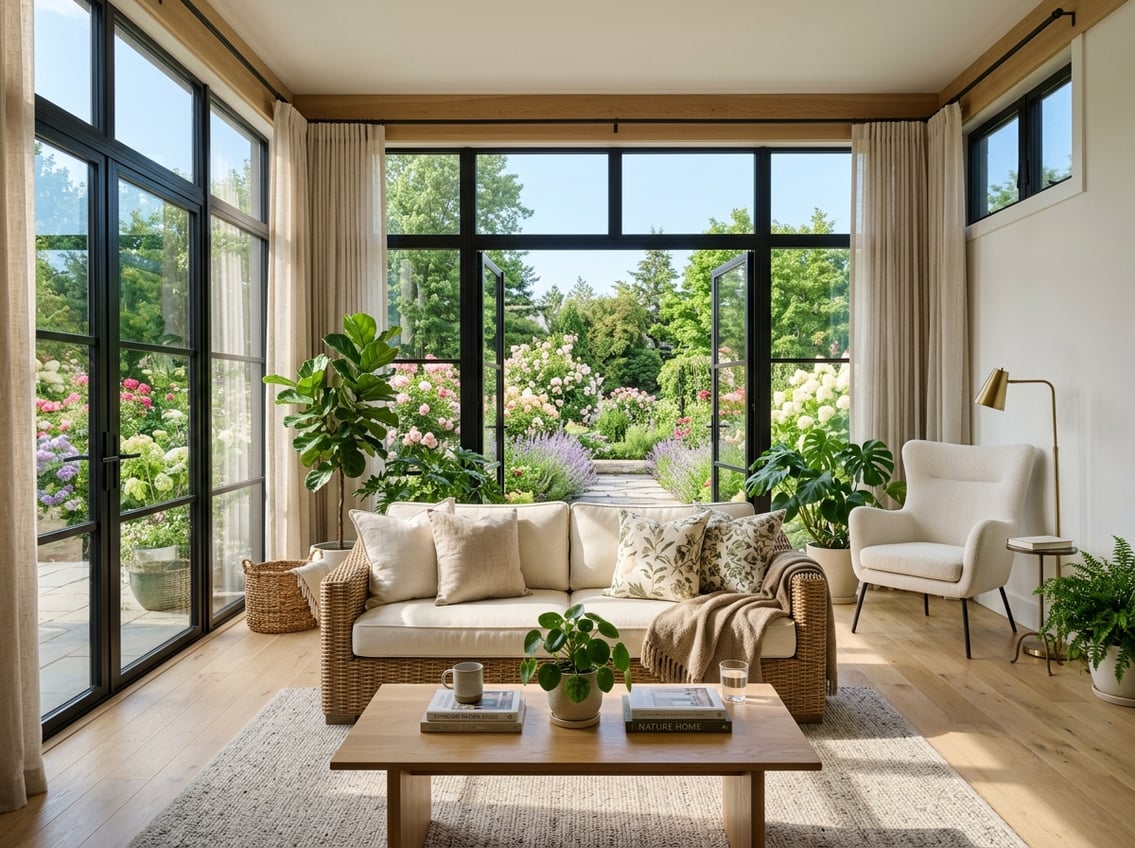
Throw blankets draped over chairs or sofas instantly cozy up a reading nook. Keep extras in a basket nearby for chilly mornings. Wicker and rattan furniture, especially with linen or cotton in soft neutrals, just feels right for sunroom design.
Even if you have loads of natural light, try adding curtains. Sheer, breezy fabrics in pale blue or white filter harsh sun but still let you enjoy the view. If your sunroom gets chilly, heavier drapes can help with climate control.
How to Use Plants and Natural Elements to Enhance the Indoor-Outdoor Feel
Cluster plants at different heights along a wall for a little vertical garden action. Use plant stands, hang a few baskets, and mix in floor pots so things don't feel flat.
| Light Level | Best Plants |
|---|---|
| High light | Succulents, cacti, bird of paradise, fiddle leaf fig |
| Filtered light | Pothos, snake plants, peace lilies, ferns |
| Lower light corners | ZZ plants, philodendrons, cast iron plants |
Stick a big potted palm or citrus tree in the corner for some drama. Smaller plants are perfect for shelves or window sills. Woven baskets, wood tables, and stone planters keep the indoor-outdoor living vibe going strong.
For instant height, fill a tall vase with cut branches. Dried pampas grass or eucalyptus adds texture — no watering needed.
How to Choose Sunroom Lighting That Works Day and Night
Install dimmers on overhead lights so you can tweak brightness as the sun shifts. Recessed lighting keeps ceilings uncluttered and spreads light evenly.
Table lamps on side tables make reading corners feel inviting. Pick bases in ceramic, wood, or brass to match your sunroom decorating style. Warm white LEDs (2700–3000K) give off a cozy evening glow — think golden hour, all evening.
Floor lamps are great for corners where tables won't fit. Adjustable arms let you point the light wherever you actually need it.
String lights or lanterns add a bit of magic for evenings. Battery-powered ones are handy if outlets are scarce. Wall sconces by doors offer light and symmetry without hogging floor space.
Design Pitfalls to Avoid in Your Sunroom
Picking the wrong materials, ignoring color, or crowding the space can make your sunroom feel more like a mistake than a retreat.
Choosing the Wrong Materials for Your Climate and Sun Exposure
Sunroom design lives or dies by how well your materials handle direct sun and temperature swings. Cheap fabrics bleach out fast. Dark leather? It practically sizzles in summer.
Go for outdoor-rated or UV-resistant fabrics on cushions and curtains. These last way longer than basic indoor fabrics. Wicker, rattan, and treated wood are solid picks — they shrug off humidity and don't warp.
Skip anything that traps heat or fades in a flash. Dark metals scorch, untreated wood cracks, and delicate fabrics like silk or velvet just can't keep up. Vinyl and low-grade plastics get brittle under steady sun exposure.
- UV-resistant outdoor fabrics
- Sealed or treated wood
- Wicker and rattan
- Light-colored powder-coated metals
- Performance upholstery made for sun exposure
When you're weighing resin vs. natural wicker, or curious about Sunbrella and foam density, check out our wicker sunroom guide — it's got the details. For a quick win, the Panama Jack Sanibel Collection uses fade-resistant performance fabrics and resin wicker for that classic look without the maintenance headaches. Expect conversation sets to run $800 to $2,500, depending on size and finish.
Decorating Without a Color Anchor or Design Direction
A sunroom without a clear color anchor just feels off — almost like it's floating apart from the rest of your home. You need a couple of main colors to guide your sunroom decorating choices for furniture, rugs, and accents.
Pull two or three main colors from the rooms next to your sunroom. That way, the space flows visually when you glance in from the hallway or kitchen. Put your anchor color on the biggest furniture — sofa, chairs, maybe even the rug.
Use secondary colors for throws, art, or plant pots. That lets you swap out accents with the seasons without redoing the whole room. Stick to your palette as you add new pieces down the road.
Too many patterns or colors? It gets busy fast. Stick to two or three patterns, tops, and keep them simple if you want the space to feel open and calm.
Overlooking Scale, Proportion and Walkway Clearance
Oversized furniture blocks sunlight and makes a sunroom feel cramped. Always leave at least 30 inches between pieces so people can walk comfortably.
Measure your sunroom before you buy anything. Jot down the dimensions, sketch a quick plan, and mark where doors open. It's not glamorous, but it saves you from a crowded mistake.
Choose pieces that fit the room's scale. Small sunroom? Go for compact chairs and a loveseat, not a hulking sectional. Leave a little breathing room by windows so you can open and clean them easily.
Tall furniture near windows blocks light for the rest of the house. Keep low-profile pieces by the glass, and save taller bookshelves or cabinets for solid walls. That way, you keep the bright, airy vibe that makes sunroom design so appealing.
Want a complete look without the guesswork? Shop our sunroom living sets for coordinated collections that take the stress out of mixing and matching.
Good sunroom design comes down to making choices that work together — colors that hold up in direct sun, materials that handle the climate, and decor that feels connected to the rest of the home.
Get the fundamentals right and the details fall into place naturally.
Whether you are starting from scratch or refreshing an existing space, the right furniture and finishes make the difference between a sunroom you use every day and one you walk past. For more inspiration on furnishing and styling your sunroom, read our full guide on sunroom furniture ideas and find the look that works for your space.
Frequently Asked Questions: Sunroom Design Guide
Sunroom decorating and design come with a lot of decisions — some fun, some just necessary. Here's what people usually want to know before they start picking fabrics or calling contractors.
How do I design my sunroom?
Start by deciding how you will use the space — a breakfast nook, reading retreat, or plant-filled lounge each calls for different materials, glazing, and layout priorities. Choose materials that handle sunlight and temperature swings: aluminum frames are low maintenance and fit modern styles, while wood adds warmth but needs more upkeep. Plan for shading from the start with overhangs, louvers, or screens rather than relying on window treatments alone.
Which type of sunroom is best?
It depends on when you plan to use it. Three-season sunrooms cost less and work well in mild climates, while four-season rooms function as true year-round living spaces but require serious insulation, quality glazing, and climate control. Your climate is the deciding factor — cold regions need high-performance insulation and south-facing glass, while hot climates call for low solar heat gain glazing and careful management of west-facing exposure.
How do you build a sunroom step by step?
Start by checking local building codes and pulling the necessary permits before breaking ground. Pour a foundation suited to your soil and climate, frame the structure carefully, and pay close attention to flashing and weatherproofing where the new room meets the existing house — that junction is where most leaks and heat loss happen. Finish with fade-resistant interior materials, seal all penetrations, and extend your HVAC if you are building a four-season room.
Which direction is best for a sunroom?
South-facing sunrooms capture the most light and work especially well in cold climates where winter sun adds passive solar warmth — just plan for solid shading to prevent overheating in summer. East-facing rooms catch gentle morning light and stay cooler through the day, making them ideal for breakfast nooks or quiet morning spaces. West-facing sunrooms are the most challenging due to intense afternoon heat, so if that is your only option prioritize high-performance low solar heat gain glazing and exterior shading.