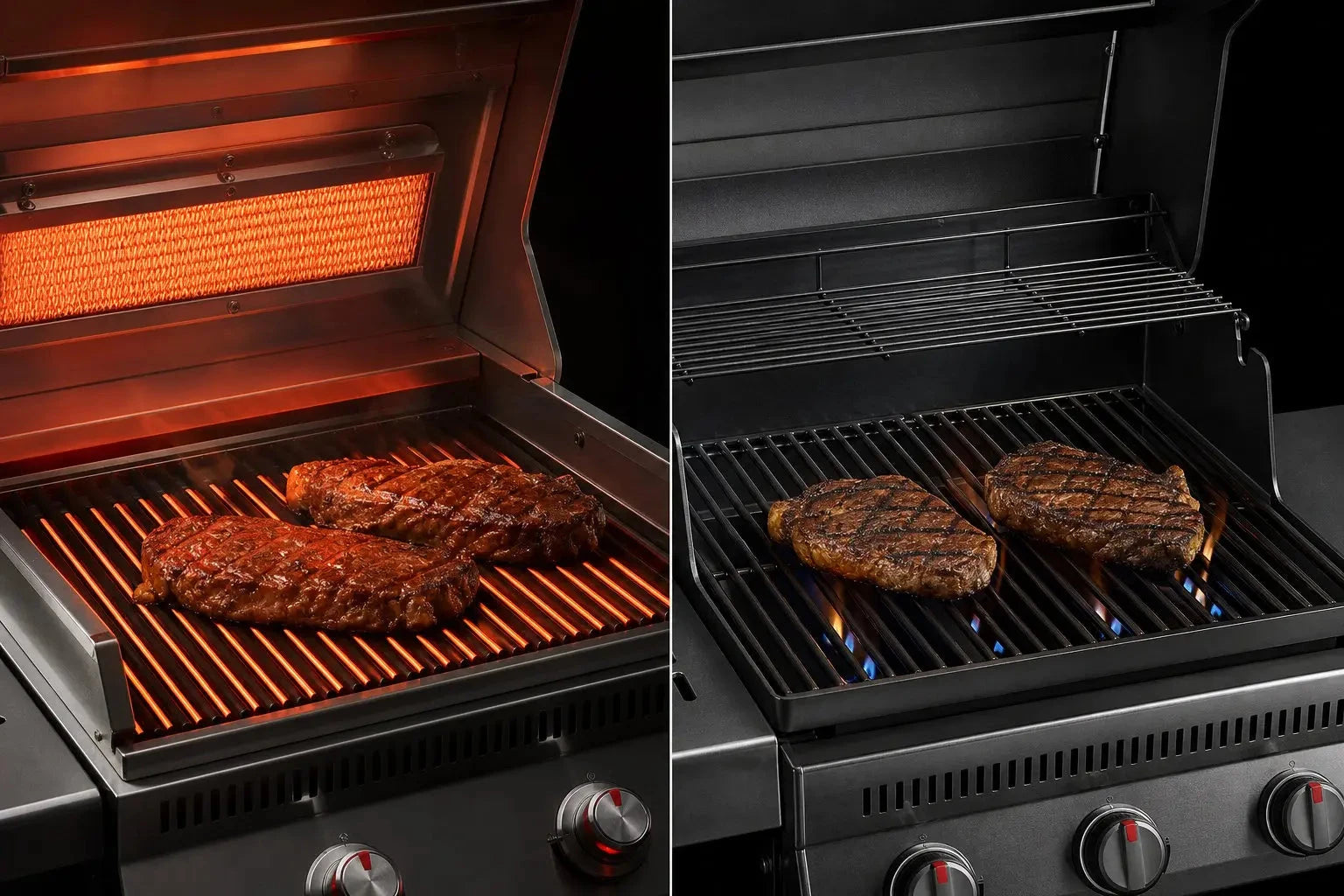
Infrared grills sear like a steakhouse broiler. Standard gas grills cook like the reliable backyard workhorse most people already know.
The two heat food in genuinely different ways, and that difference shows up in your searing power, your learning curve, and your final bill. Here's how they compare, and which real built-in grills represent each style well.
| Feature | Infrared Grill | Standard Gas Grill |
|---|---|---|
| Heat Type | Radiant heat | Flame and convection |
| Cooking Speed | Very fast | Moderate |
| Searing Power | Excellent | Good |
| Heat Distribution | Very even, varies by model | Can have hot spots |
| Ease of Use | Moderate learning curve | Beginner friendly |
| Price | Higher | More affordable |

Infrared grills use a burner that heats a solid emitter surface, which then radiates intense heat directly onto the food. That direct radiant transfer hits high temperatures fast and cooks food evenly.
Standard gas grills burn propane or natural gas to create an open flame. Heat spreads through the air inside the hood, cooking food with a mix of direct and indirect heat rather than one focused radiant source.
Worth knowingMany "standard" built-in grills still include an infrared rear burner, but only for rotisserie cooking. A grill with infrared as its main cooking surface, like the picks below, is a different, more premium category.
Infrared grills shine on steak because the radiant heat locks in juices while creating a crisp outer crust. Expect roughly 2 to 4 minutes per side depending on thickness, always cooking to a safe internal temperature of 145°F. Preheat on high, place the steak directly over the heat, and flip once for a strong sear.
Standard gas grills handle foods that need lower or steadier heat better, giving you more room to cook a wider variety of meals without worrying about burning delicate items.
Some steakhouses use infrared broilers specifically to reach the extreme temperatures that create that signature crust and juicy interior, which is part of why infrared has such a strong reputation for steak.
Both of these Fire Magic models use infrared as part of the primary cooking surface, not just for the rotisserie.
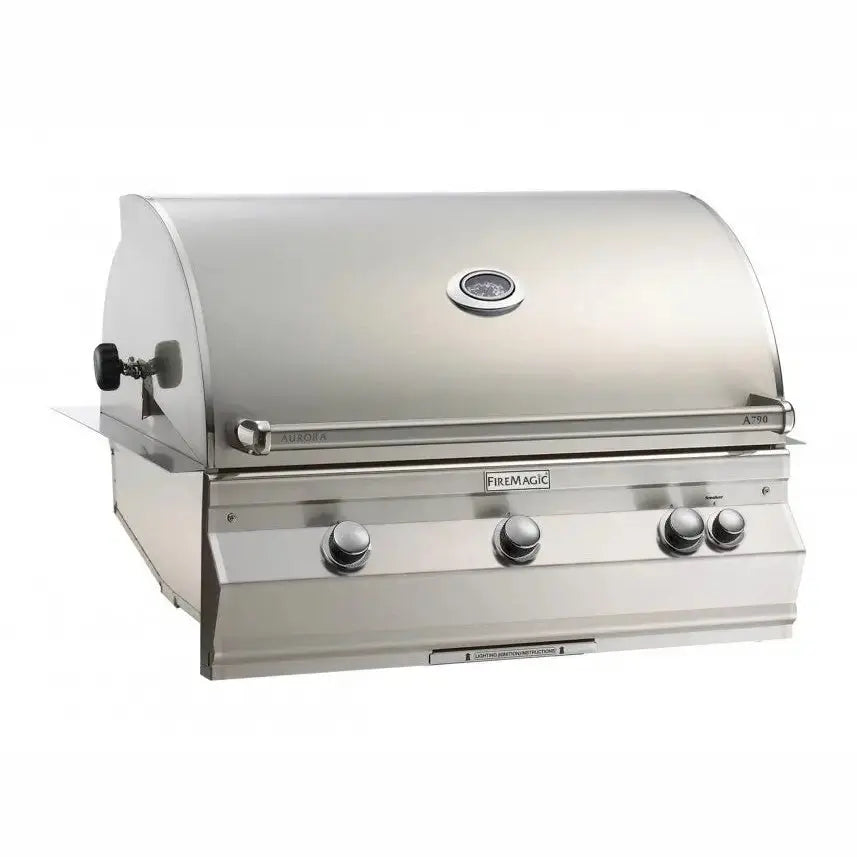
$7,550.00
One main infrared burner paired with two cast stainless E burners for 90,000 BTUs across 792 square inches of cooking surface.
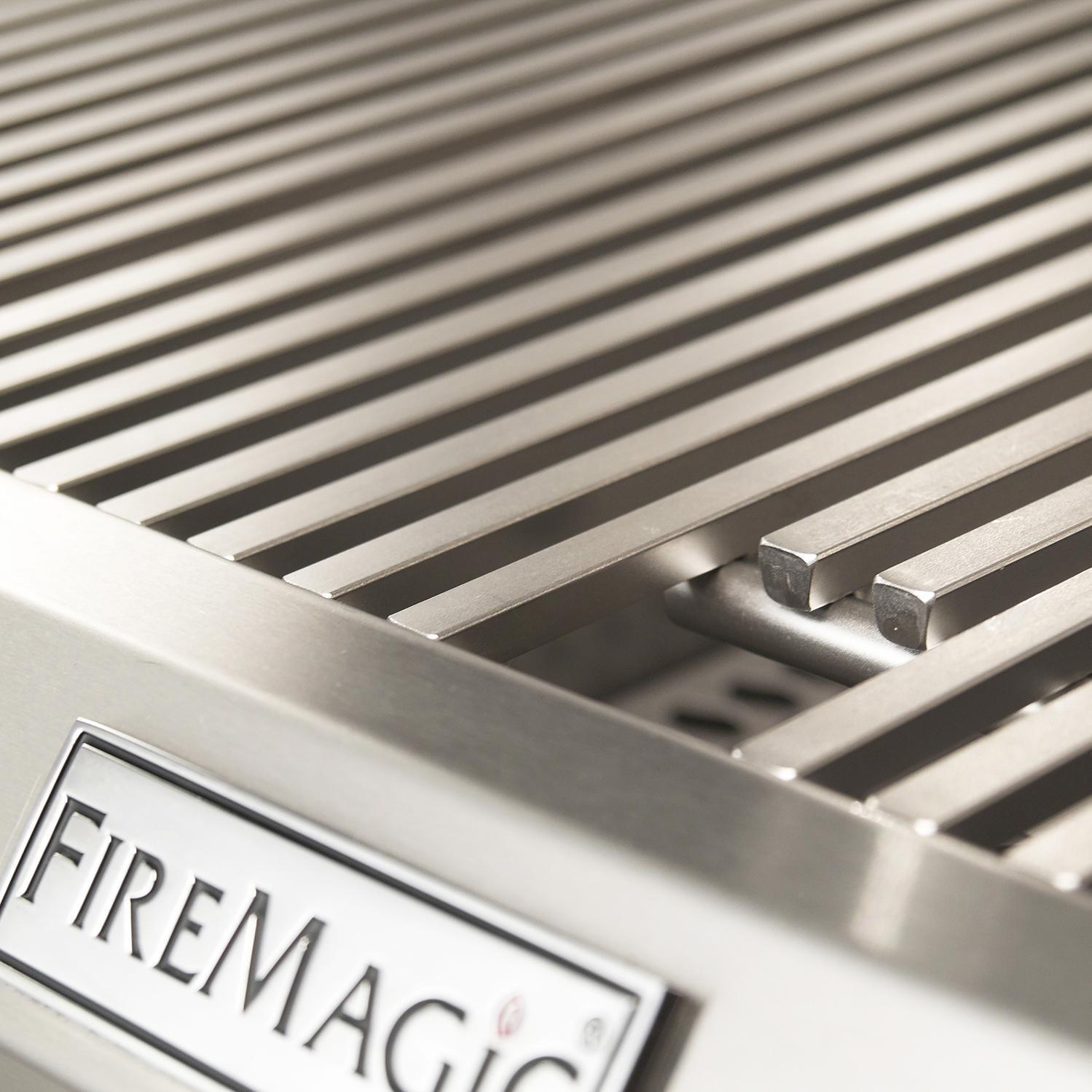
$10,145.00
Configurable with a full infrared main burner, plus a Quantum infrared backburner for fast, efficient rotisserie cooking.
Browse the rest of the lineup in the Fire Magic collection if you want to compare BTU output and finish across every series.
| Factor | Infrared Grill | Standard Gas Grill |
|---|---|---|
| Heat-Up Time | Fast | Slower |
| Fuel Use | Can be more efficient for short sessions | Less efficient over long sessions |
| Heat Retention | High | Moderate |
| Cooking Time | Shorter | Longer |

Both of these use traditional open-flame tube burners as the primary cooking surface, the more forgiving option for everyday grilling.
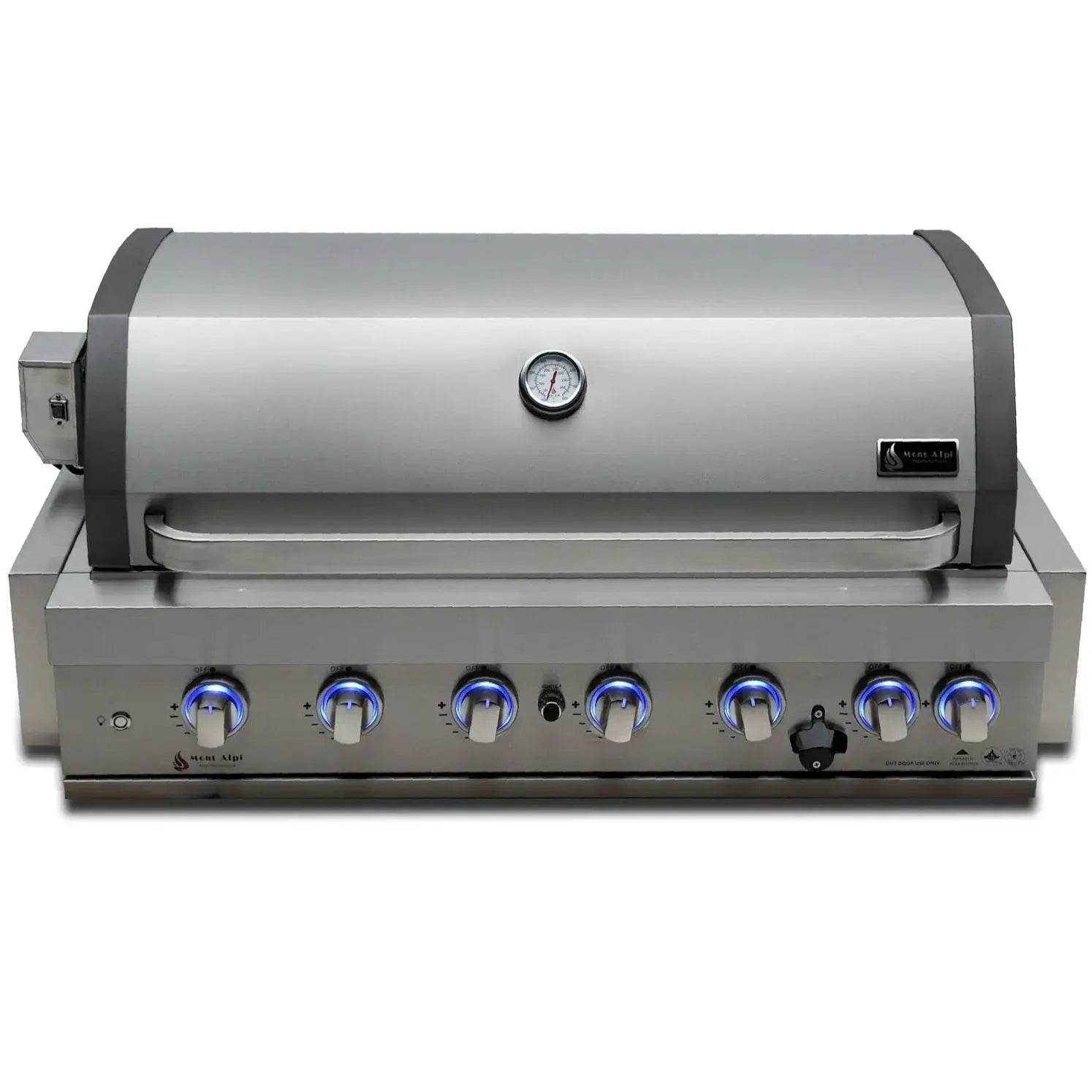
$1,501.80
Six 304 stainless tube burners for even, everyday heat across a wide cooking surface, at a fraction of an infrared model's price.
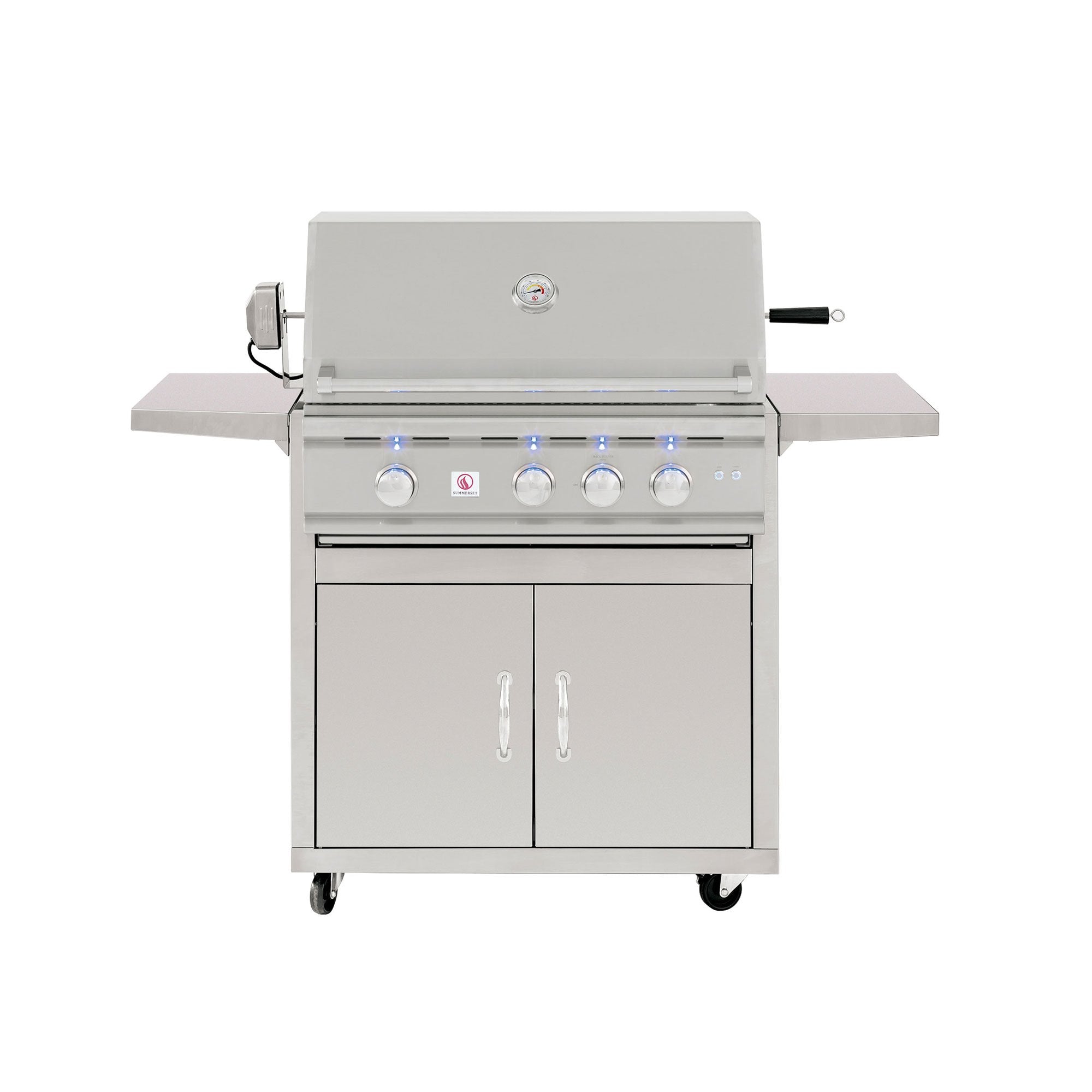
$3,352.00
Commercial-grade stainless U-tube burners for consistent standard heat, with a rear infrared burner reserved just for rotisserie.
Infrared grills reduce flare-ups, though smoke still occurs from cooking juices hitting the emitter surface. Standard gas grills can create more smoke from flare-ups specifically. The healthiest approach with either type is reducing flare-ups and avoiding heavy charring.
| Cost Factor | Infrared Grill | Standard Gas Grill |
|---|---|---|
| Initial Price | Higher | Lower |
| Fuel Cost | Can be lower over time, depending on use | Can be higher over time |
| Maintenance | Moderate | Low to moderate |
| Long-Term Value | High for frequent use | Good for casual use |
If you're planning the rest of the patio around whichever grill you choose, an outdoor living package bundles seating and layout into the same order.
Infrared is the stronger choice if you want restaurant-style searing and fast cooking sessions.
Standard gas grills work better if you cook a wide range of foods and want flexibility across temperatures.
Standard gas grills are easier to learn and typically more affordable, making them a practical starting point.
Infrared vs. standard gas really comes down to speed versus flexibility. Want powerful heat and a perfect sear? Infrared is the strong choice. Want an easy, all-purpose grill for everyday meals? A standard gas grill is the better fit.
Infrared grills are better for high-heat cooking and quickly searing meat. Regular gas grills are better for versatility and slower cooking. The better option depends on what you cook most often, with many people preferring gas for everyday use and infrared for steaks.
They can be, if you value fast cooking and strong searing. Infrared grills often use fuel efficiently and reduce flare-ups, but they cost more upfront and may not suit every cooking style. It comes down to your priorities and budget.
Not really. Infrared grills are designed for high heat and quick cooking. Some models offer limited temperature control, but it isn't their main strength. Standard gas grills handle low-heat cooking better.
Steaks, burgers, and thin cuts of meat, along with anything that benefits from a quick sear. Delicate foods can overcook fast if you're not watching closely, so infrared works best for high-heat recipes specifically.
Often less, for quick, high-heat cooking, but total fuel use really depends on the model and how long you cook. Standard gas grills may run longer overall, which increases fuel use over a full session.

As the outdoor living trend continues to thrive, you may be wonder...

How to transform your outdoor space in 5 steps to...